What is all that jazz about Terroir?

TERROIR
terroir

What a Word! Overused and misused. Why? Simply, it sells! But not solely, TERROIR, also, interests and fascinates many of us because it the inexplicable part (the magic one) of the wine that shape its beauty!

Wine is such a different “drink”, so much, that it actually displeases me to call it “Drink”, such as a beer, soft drink or spirits. Do you see wine as a commodity? Not me, one of the great thing about wine is the «sense of place».
No other beverage on earth is like wine from a region/place and its culture, with its own climate and soil, grape varieties (more than 1400 grape varieties are commercially used). And all those elements are blended together to express a specific vintage.

A great wine or a fine wine is like the liquid memory of a vineyard.

The wine connoisseur will enjoy and appreciate all type of tasting for this reason, Geo-tasting, vertical or Horizontal tastings allow us to arbitrate and judge by comparing, not just with eye but also with the smell and taste. Sommeliers, wine critics, wine-makers will improve their understanding through them.

Is there Terroir in any other product?

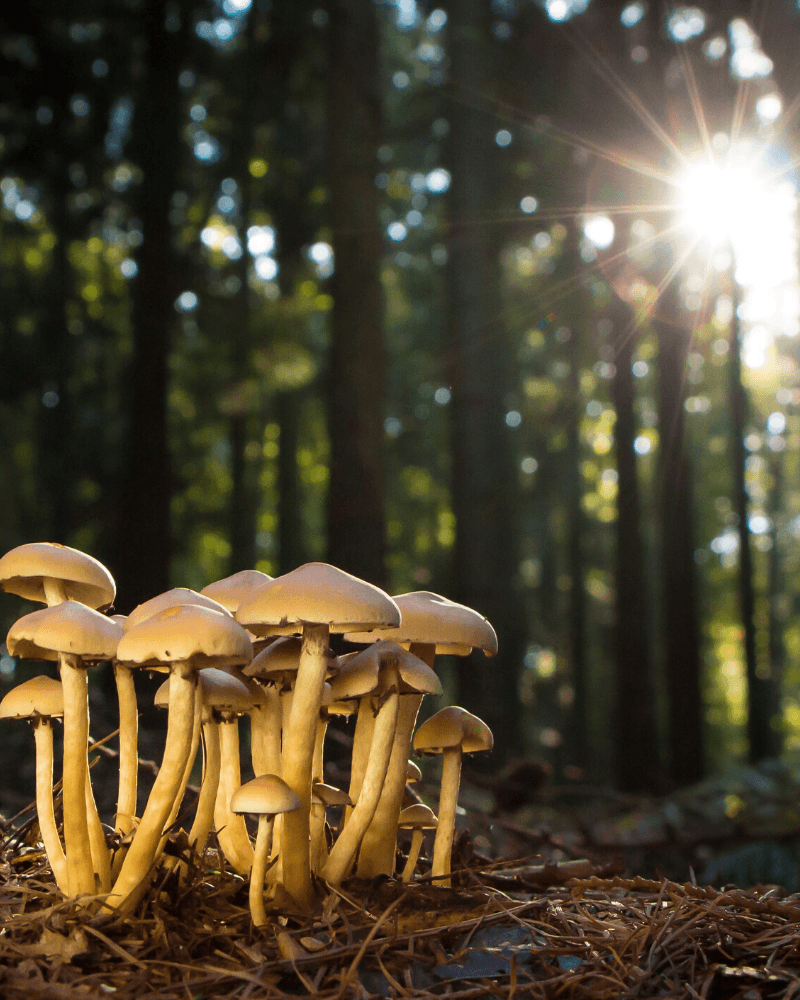
Of course! Anyway I like to think so. But it is always attached to a precise zone or region. As an example, oysters are influenced by the quality of the water but also its temperature. The origin of the coffee also have its importance as it has with Chocolate, Tobacco (Cuba), Fruits, Vegetables and mushrooms (black and white truffle).
The variety (or the plant) has a direct impact on the finished product, but it needs the right condition to reach perfectness!
There must be a harmonious relation between the 4 elements: Plant, climate, soil and human factor

So, what is TERROIR?

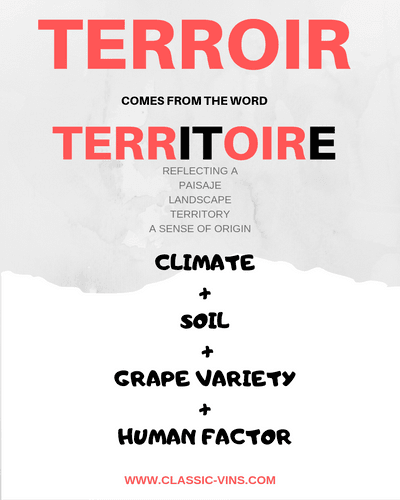
As once clearly explained by the great Jean-Claude Berrouet terroir is the contraction of the word Territoire (or Territory).
Terroir is the combination of 4 elements:

Climate   +    Soil   +   Grapes   +    Human Factor

It may look simple, at first sight, unfortunately the game of combination is almost limitless.
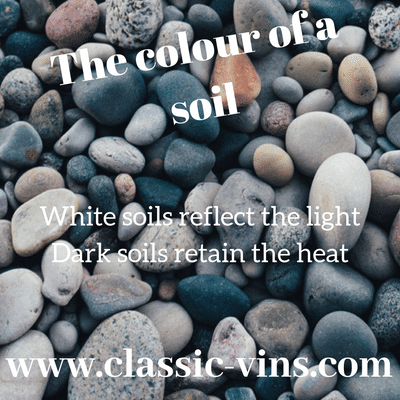
All those elements will have an influence on the finished wines, it is reckoned that the Romans used to favor chalky soils for planting vines. Whatever, it is generally accepted that, anciently, vineyards were planted in poor soils (Vines need to suffer in order to yield the best wine). As a matter of fact, better soils were reserved for cereals, it makes sense. The nature of the soil is important, as its capacity to retain, or not, water will influence the wine. Chalk, clay, slate, sand, Gneiss, loess, schist, gravels and so on, could be qualified as warm or cool soils, depending on their ability to drain or not. As an example clay is obviously cooler than gravels.

The type of climate will have a direct influence, as well. If Cabernet Sauvignon is not planted in Burgundy it is just because the climate is not suitable for it! Although global warming is challenging us, it is, still, not the case.
Temperature, rain and sunshine help to classify climate. But other factors will affect a local climate (meso or micro-climate). Rivers or Stream will reflect the sun light as it happens in Rheinghau, or bring enough humidity in autumn in order to affect the ripeness of the grape with botrytis (Tokaji, Sauternes, Côteaux du Layon). Altitude will delay the maturity, and to some extreme concentrate the UV in such great concentration that the skin of the red grape will ripen before the pulp (Valle de Uco, Argentina). Often oceans will cool the area, thanks to their currents such as the Humbolt Current in Chile or California, or the Benguela current in South Africa.

Undeniably, the grape variety will convey its own identity to the wine. Some are more aromatic to others such as the Riesling or Gewürztraminer, but also Cabernet Sauvignon has a strong personality. Others, for instance, are more discreet like Chenin Blanc, Godello or Furmint. And finally Chardonnay, or others varieties such as Aligote, Merseguera or viura have other quality but tend to be neutral. Of course, not all wines are produced with a single variety, but you get the point, don’t you?

The last point is the Human factor, the one that decides what to plant, where to plant, how to plant… but also when to harvest, How to ferment?… So many questions and doubts… Wine making techniques are now almost immeasurable, from temperature control, yeast inoculation, new or old barrel (chestnut, oak, acacia…)
Nonetheless, it is the human being that will decide the degree of intervention, it he wants to yield a wine that expresses its landscape or if he desires to suit the palate of a determined client. If its wine is close to its “Terroir” or not. Some traditional wines, that are highly manipulated by the wine-grower still offer terroir, straightaway Champagne comes to mind! Though, we also have Port, Sherry, Tokaji Azsu… And it is clear that tradition or the “know how” is, equally, part of the Terroir, or the character of those peculiar wines.
Great wines or fine wines are always unique, although sharing characters with neighboring vineyards. Their singularity is the key to their identity.
Some mushrooms in my wine?

Some mushrooms in my wine?

yeast

We should not forget the definition of wine :
“Wine is the fermented juice of the freshly gathered grape”

Let’s talk about micro-organisms!

The other day, while entertaining my favorite wine group on-line;-)), I was asked about microbiology in wine. Fair enough, I have to admit that I was a bit stuck, yes I struggle. So, I open some dusty books, that have not been consulted for quite a while, and, now, we can clarify a few things:
If there is one thing to remember is that the 2 main organisms involved in vinification is Saccharomyces Cerevisiae (yeast or fungi) and Leucosnostoc Oenos (bacteria).

We should not forget the definition of wine : “Wine is the fermented juice of the freshly gathered grape”

Alcoholic fermentation (Louis Pasteur):

Louis Pasteur was the first to demonstrate, in1876, that yeasts were responsible for transforming glucose (sugar) into ethanol (alcohol).
It is generally accepted that 17g of sugar per liter produces 1% vol of Alcohol.
Yeast (and most especially, the strain Saccharomyces cerevisiae) are in charge of transforming the sugar into alcohol, but the process also creates Co2 (Carbon dioxide) and heat.
It has been thought, for many years, that the fine waxy pellicle that recovers the berry, called bloom, carried most of the indigenous yeasts that the wines needed for fermentation. Well, the truth is less romantic, it is more probable that the wild yeasts are more numerous on the surface of the winery material.

Some wines such as Manzanilla, Fino or the now highly trendy Vin Jaune from the Jura, are all aged under flor (controlled oxidation). This Flor, that recovers the wine during is aging process in oak barrel, is produced by a different yeast strain called: S. Bayanus.

Of course, several strains (of yeast) are undesirable. Without a doubt, Brettanomyces is the most recognizable one. As it gives an unpleasant “mousy” smell to the wine, and covers much of the fruit complexity.

Malo-lactic Fermentation (or second fermentation, ML)

Sometimes called second fermentation, its main role is to reduce the acidity of the wine. Most red wines undergo ML, but not all white wines. Neutral varieties such as Chardonnay can gain in aroma and complexity, aromatic varieties such as Gewürztraminer or Muscat will be spoiled if ML was used with them (they will loose their precious varietal aromatic compounds).

– Fortified wines don’t undergo M.L.
–  Sweet Wines don’t undergo M.L.

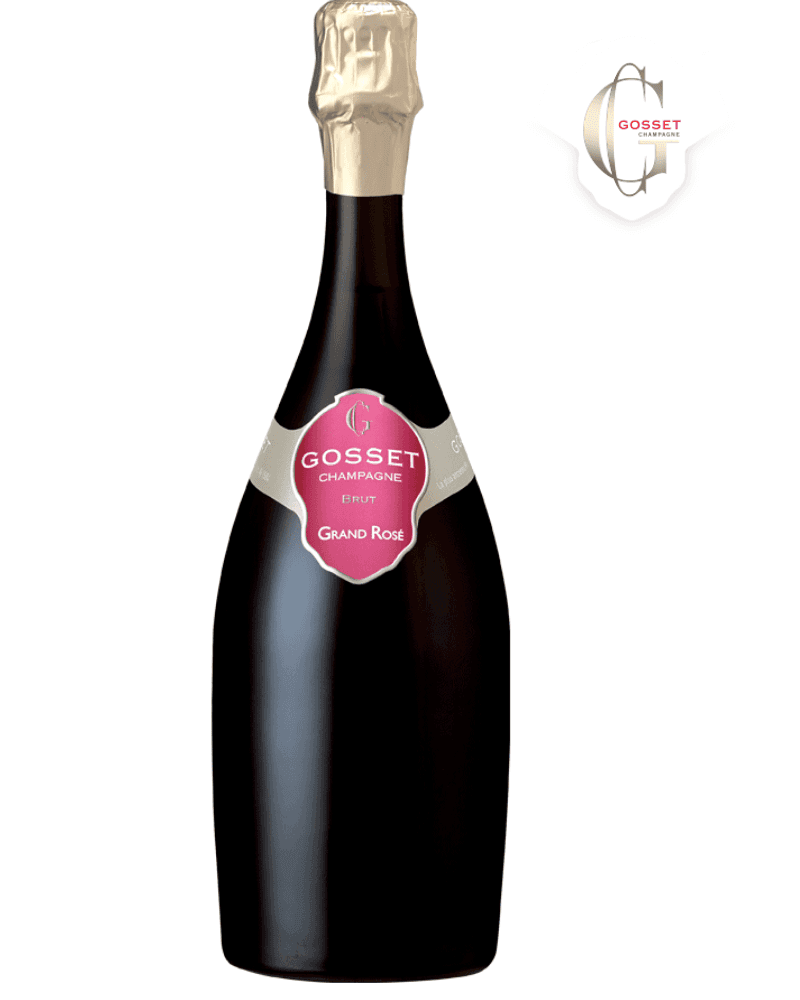
Some champagnes houses, such as Gosset or Salon, avoid ML on their sparkling wines.
Finally, I sincerely hope that this will help. We will soon drop a post on the most common faults, in wine, and what causes them: yeast, bacteria, chemicals, time, heat, natural cork… just another topic!

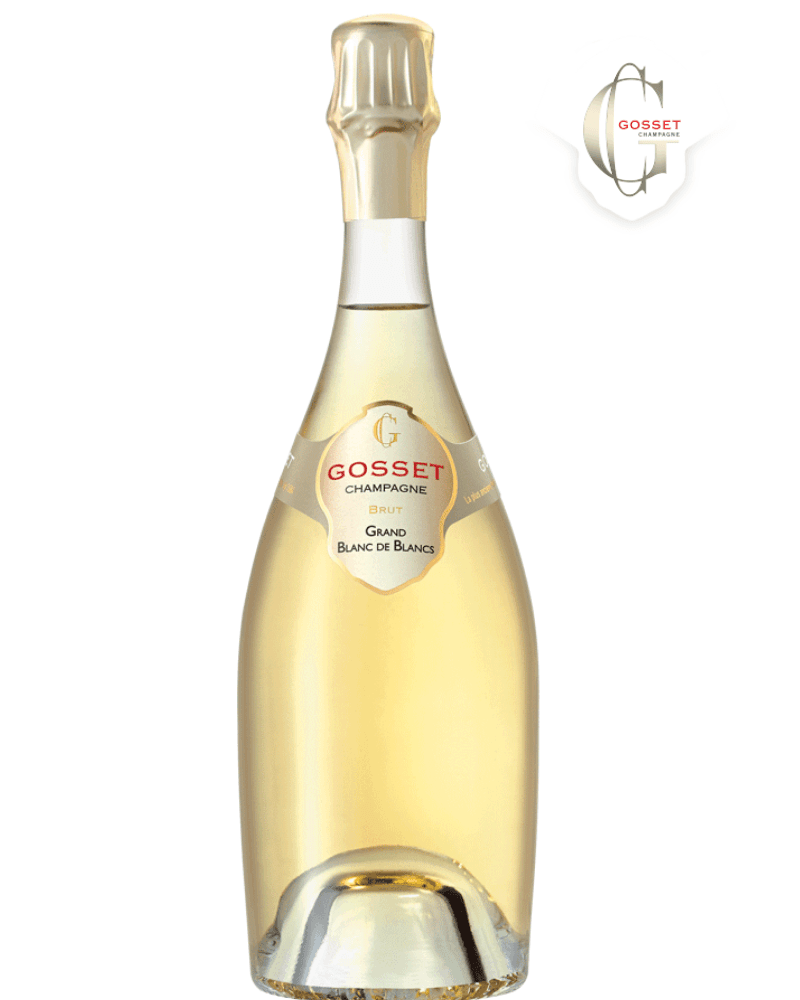
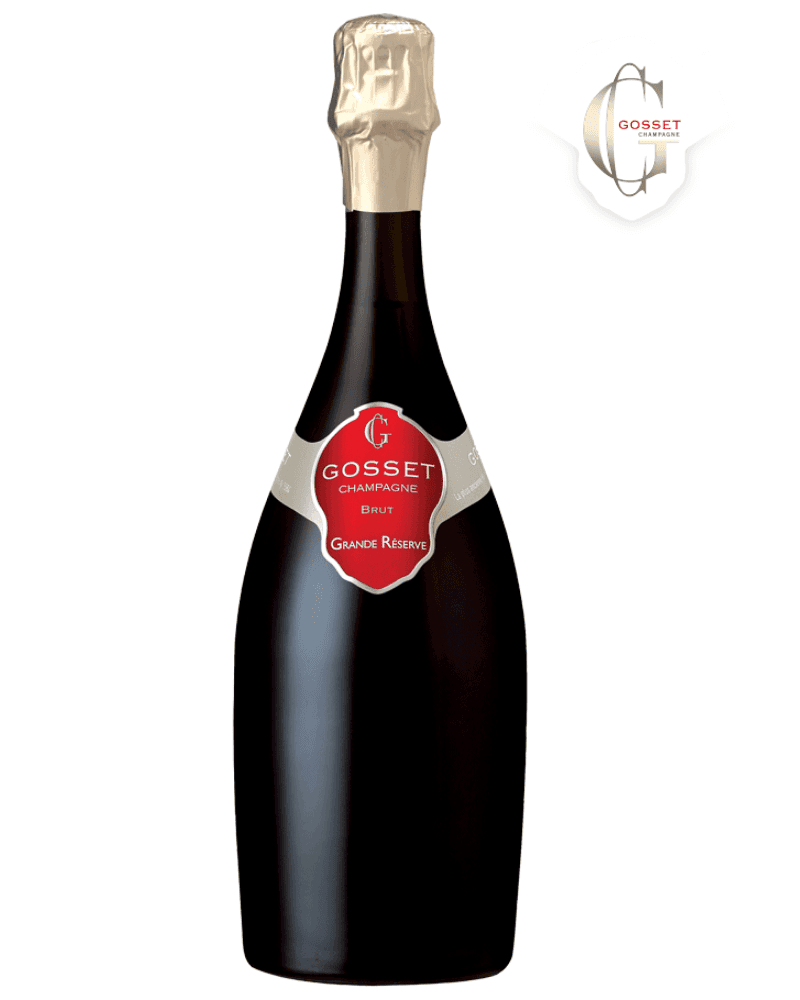
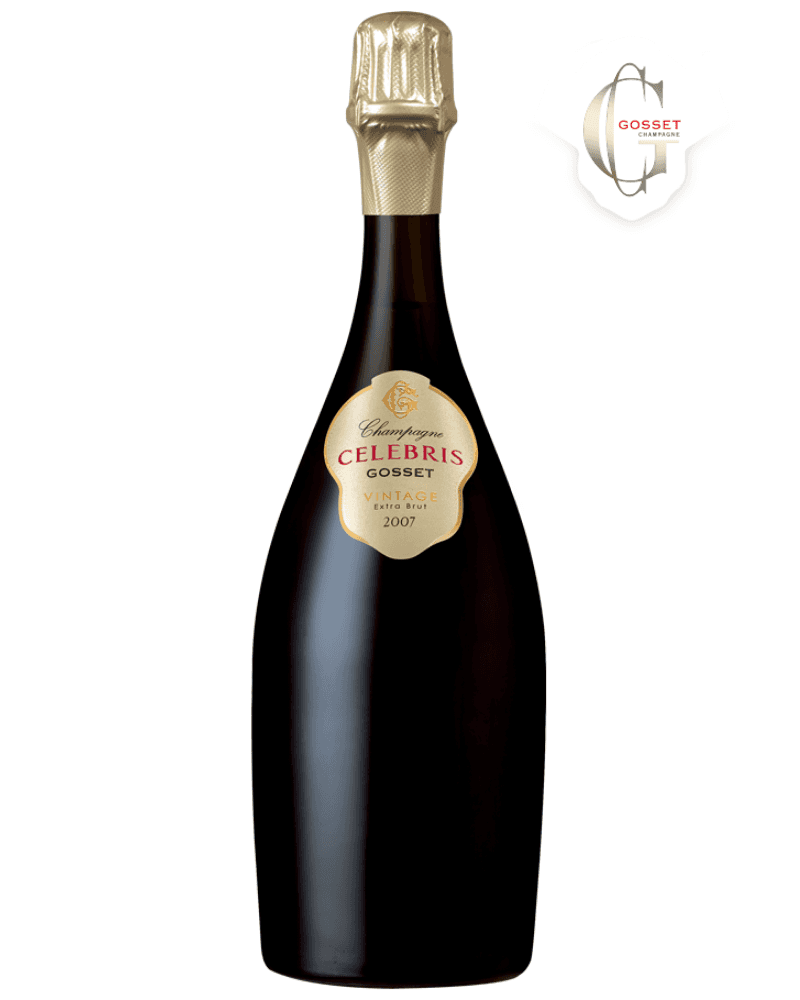
Champagne Gosset is, world famous, for being the oldest wine house in Champagne. They are also one of the very few that to do not let their wines to undergo Malo-Lactic fermentation.

Castell D’Encus : Raul Bobet

Castell D’Encus(850m-1300m)
DO Costers de Segre
Pallars Jussa

Raul Bobet is Co-owner of Castell d’Encus and Ferrer-Bobet (Priorat), a great oenologist  (one of the greatest in Spain and Catalunia…), and a visionary…
Established in 2001, Castell D’Encus is at 1000 meters above sea level, in the northern part of DO Costers del Segre, in the Pallars Jussà. An isolated and quiet place, ideal for hermits! Actually monks were growing vines in the past, in the 12th century, and they left a little «souvenir» behind : vats fermenter (Lagares). Effectively, as it has been seen in other places (such as la Rioja.) monks have carved into the rock some vats! And Raul Bobet uses them every year. As a matter of fact, its red wine QUEST is entirely fermented outside in “lagares” (Stone vats).
Raul Bobet has launched this Project in order to escape from the dramatic effects of global warming, but not solely! He was, obviously, looking for the perfect place to plant a brand new vineyards, where the climate condition would be perfect for growing top notch wine-producing grapes. The challenge is to produce some elegant and long aging wines (no over extraction and using exclusively natural yeasts).

TAIKA – Methode Ancestrale – Sauvignon Blanc/Semillon. A truly fascinating bubbly, unusual, delicate and complex. Very challenging in blind tasting.

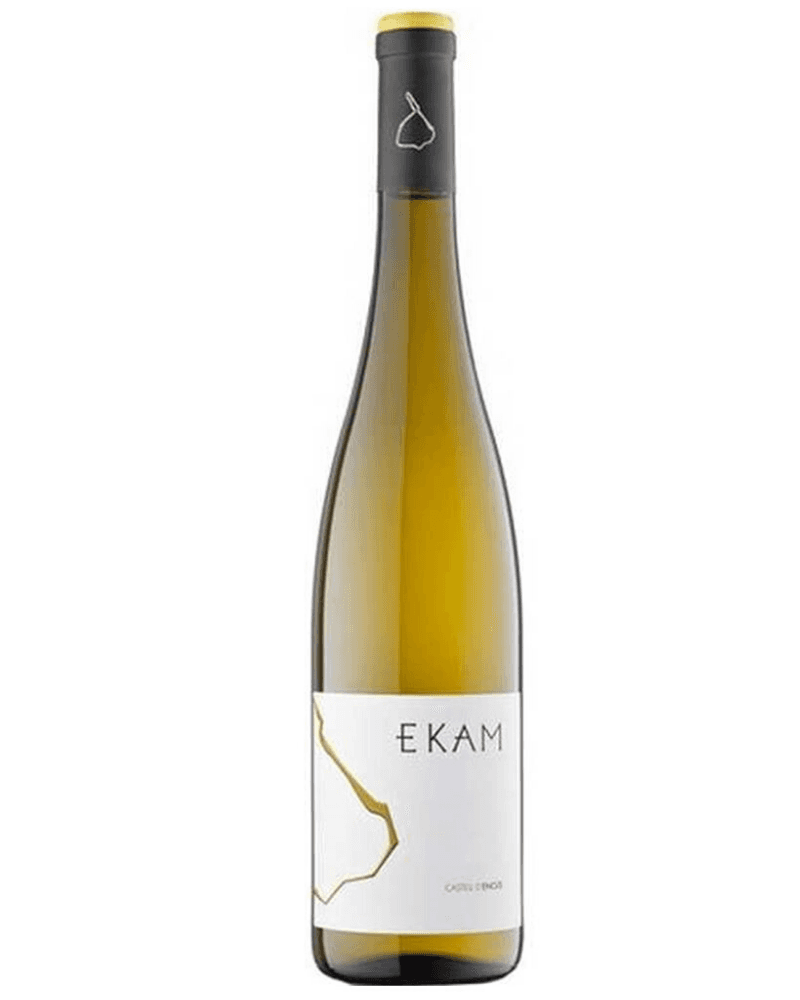
EKAM, a Sankrit name for this blend of Riesling and Albariño. Always elegant and delicate, but persistent with a crisp acidity. Complex and light bodied. We had a few”older” bottles from the earliest vintages and EKAM ages beautifully. So yes, it is enjoyable now but it is also a good keeper. Perfect for any cellar!!

EKAM (ESENCIA) – is a spatlese-style Riesling. In a traditional mosel style. With delicate Kerosen aromas with some citrussy and honeyed flavors. High acidity and some seducing residual sugar. It will age with grace. Just 1400 bottles produced.

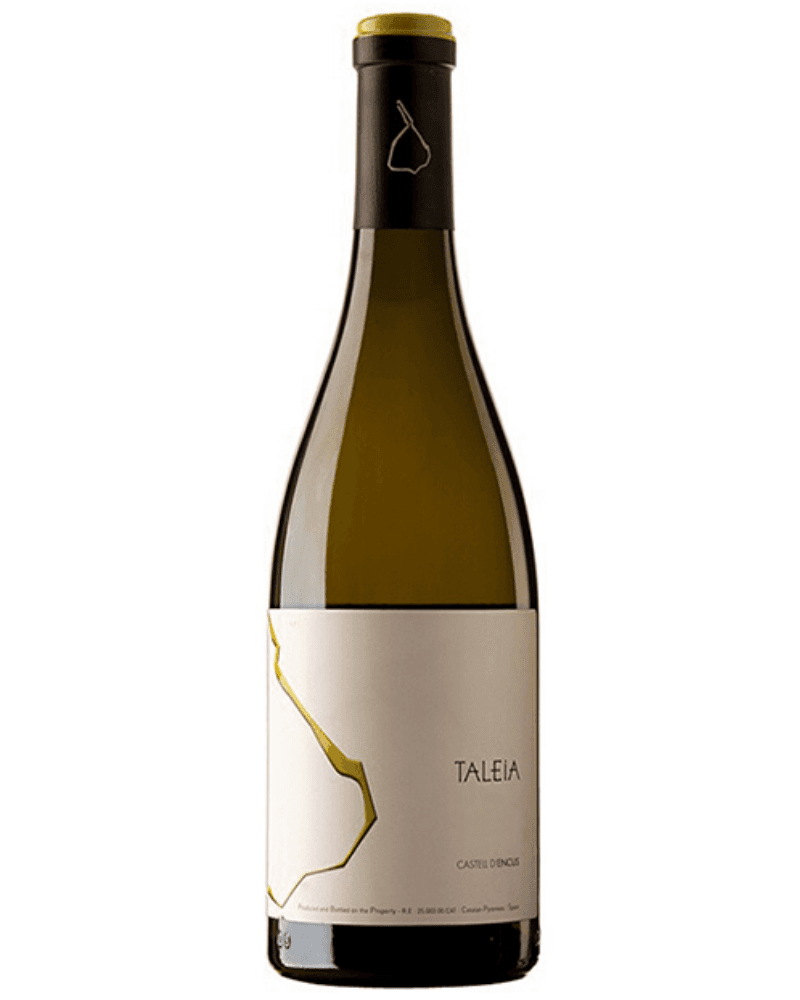
TALEIA, means obsession in catalán, Raul B. definate himself as such! Also a wine produced from Sauvignon and Semillon (Taïka). As always, natural yeasts are used in order to avoid too much intensity in order to achieve a subtle wine. Taleia is, usually, partially fermented in wood (50%), Stainless Steel and around 30% outside in the Stone vats.

TALEIA S02 – No added sulphur. Generally speaking Raul B. uses very little sulphur, as all the wines have naturally a low PH, they don’t need to be heavily protected.

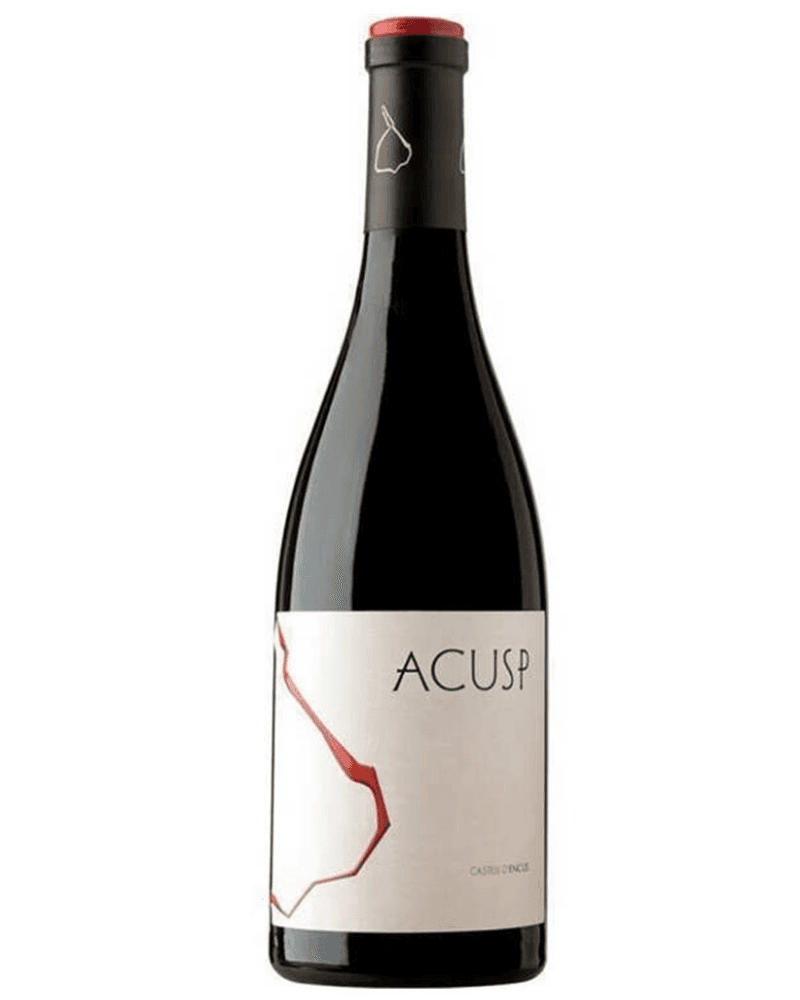
ACUSP – 100% Pinot Noir, planting Pinot Noir in a new wine región is a huge challenge. Its home-place, Burgundy, is now seen as the mecca of “Terroir”…
This exquisite Pinot Noir is floral, light bodied not over extracted with a gentle dash of new oak for complexity. you will also find some fine and very discreet tannins. A text-book Pinot Noir from a Cool Climate. It takes its name from the mountain range that dominate the vineyard. (La Serra Acusp).

THALARN – 100% Syrah. Again a tremendous surprise, if you are usually drinking shiraz from Barrossa Valley, Heathcote or Toledo in Spain. So you must be sure that this drop will offer you a completely different experience. It is not jammy, not overwhelming, not in your face…Well, it is a rather fresh and spicy wine with some finely grained tannins with a lively mouthfeel. It often offers violets with a touch of liquorice. The finish is long, although it deserves to be aged, at least 4/5 years, in order to deliver its full potential.

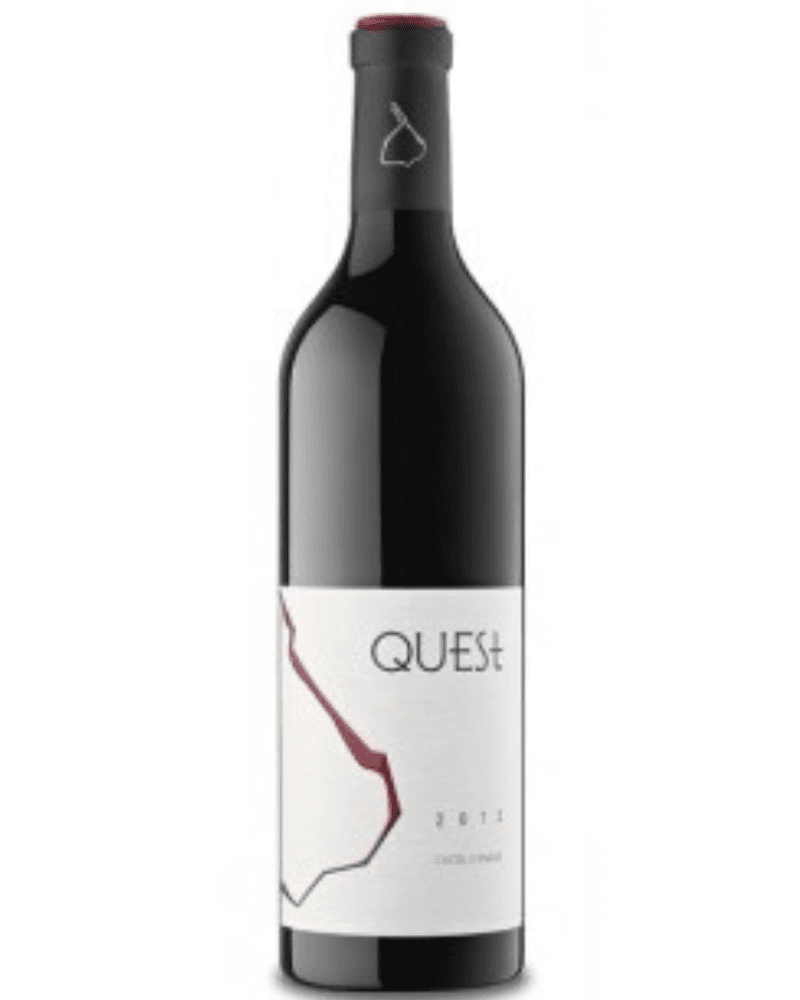
QUEST . 100% fermented in Lagares (Stone Vats). As maintained by Raul B. himself using lagares doesn’t make the wine better, it makes it different. This a bordeaux blend : Cabernet Sauvignon, C. Franc, Merlot and Petit Verdot. Again, this is a perfect wine to suggest for blind tastings. Quest has also the potential to age, it is aged 15 months in oak.

The First vintage has been released in 2008, so it is clearly a new Project!! The style of the wine are a world apart from the rest of the Iberic península, but we could say the same about the local climate and all the choices that are made. If they are designed for one thing, I would say, straightaway, Gastronomy or food-friendly. The ultimate proof of their high-standard would be that many 3 Stars Michelin restaurants do carry their wines on their wine-list, such as celler de Can Roca, Mugaritz , Etxebarri, Abac, Lasarte…

Do not hesitate to contact us, if you are interested to acquire some!

Ekamacusp
taikataleia
taleia

Sierra Cantabria : The new tradition

Rioja was the first wine region in Spain to obtain the DO in 1925, and also the first one to be granted Doca. With more than 61.000 Has of vines that strech from Labastida to Alfaro, Rioja offers a large amount of different micro-climates, diversity of soils, sun exposures, altitudes, grape varieties, modern/classic wine-making process or something in between.
Sierra Cantabria (wine-grape growers since 1870) represents 160 has of vines in some of the best areas in the northern part of La Rioja – Labastida, San Vicente de La Sonsierra y Paganos ( Laguardia).

Marcos Eguren with Miguel, his brother, are managing this outstanding family estate that produces rare and exclusive parcels’ wines. Traditionally, in La Rioja (and Spain), wines are classified according to the time they spent in oak from Crianza to Gran Reserva. But through time, and they have learned to understand better their vineyards, and after trials they are proud to vinified some of their parcels separately. Although, they do produce some Crianzas, Reservas and Gran Reservas of excellent quality, but the finest wines from Sierra Cantabria are from specific sites or “Climats» as it is called in Burgundy.
The aim is to yield some great wines, with uncommon and unique personality from a well-defined place.

SAN VICENTE

Finca La Canoca
18 Has of vines located in San Vicente de la Sonsierra with Tempranillo Peludo, a low yielding clone of Tempranillo that produces lighter and more perfumed wines. It was almost eradicated, when Guillermo (Marcos’ father) decided to plant it at La Canoca (name of the vineyard) in 1985! Surely highly criticized… The first vintage to be released was 1991, and San Vicente has been, at that time, one of a kind, demonstrating that a new path was possible. Totally destemmed, and aged 20 months in oak – 90% french and 10% American.
Vintage after vintage, the quality improves in elegance and complexity. It is always very persitent, full-bodied with ripe tannins, perfumed and scented. It ages beautifully too!

COLECCION PRIVADA
Finca Valgrande – 2has
Finca Jararte – 2has
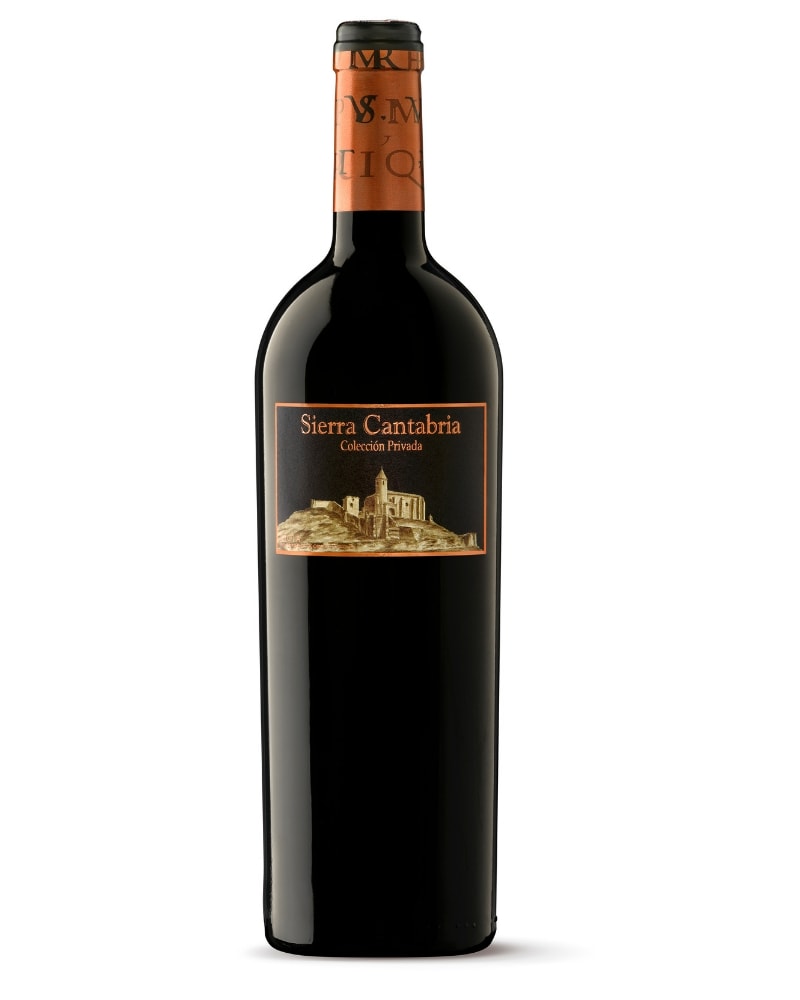
C. Privada is produced from 2 neighbouring vineyards in San Vicente de La Sonsierra, Jararte (planted in 1959) and Valgrande (planted in 1957). Interestingly enough, 50% is carbonic maceration and the other half is traditionally elaborated. Then the wine is aged 18 months in oak, American and French at equal part. The vines a more than 50 years old, and the wine is dark, intense full-bodied with high concentration of ripe fruit but never jammy. Seducing it is very approachable in its youth!

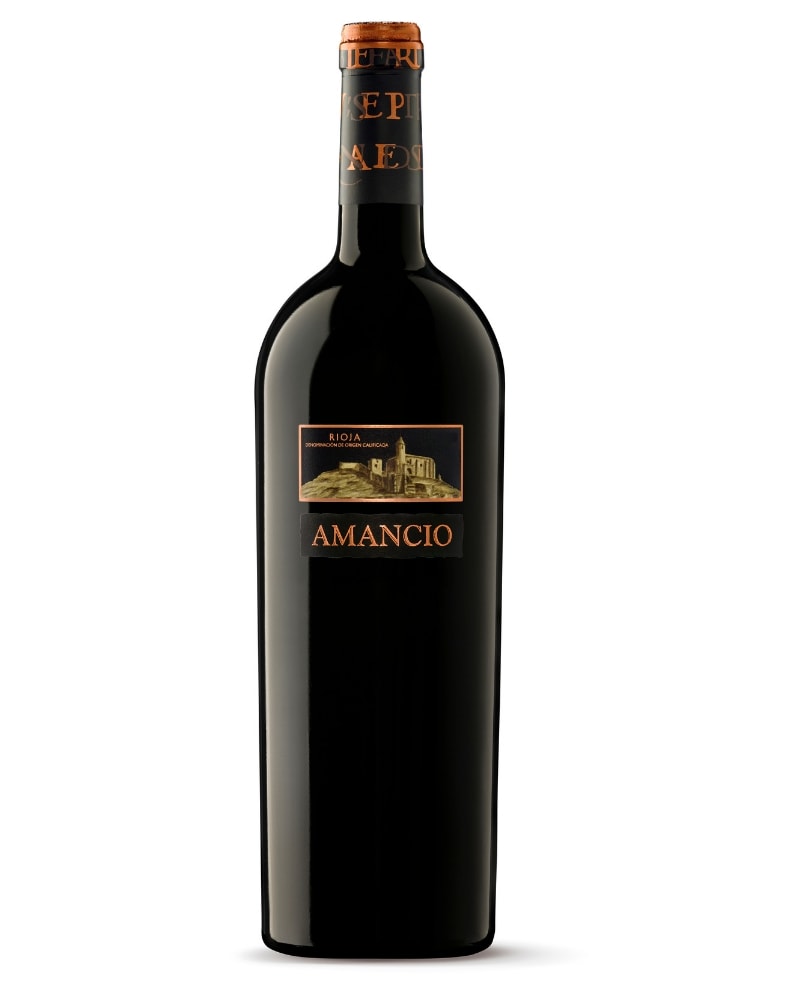
AMANCIO
Finca La Veguilla
Also in San Vicente de La Sonsierra, only the best grapes from this vineyard, called La Veguilla, that were planted in 1975, are used to produced Amancio. The must is fermented in oak vats (5hl), then the wine is aged generally 24 months in new french oak. Amancio is more robust, full-bodied, intense and need times! It is usually very impressive after 8/10 years. It always shows some great complexity but also freshness, sometimes peppery, minty or even some notes of eucalyptus.

EL BOSQUE
Finca El Bosque
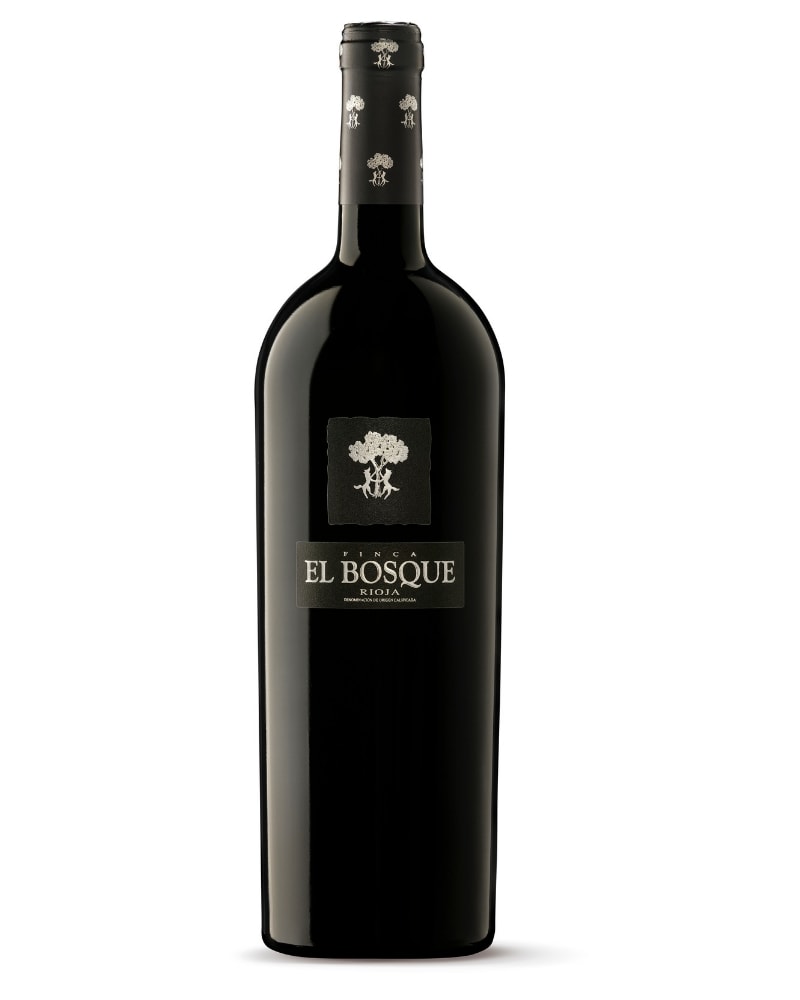
With just 1.4 ha of vine and on calcareous/clay, Finca el Bosque has plenty peebles that makes the difference. Planted in 1973, it produces the biggest wines of all, with great extract, texture it is also more than recommended to keep them a few years before enjoying them. If you want appreciate its real character. Lately, we have been able to source some 2009! And they are incredible.

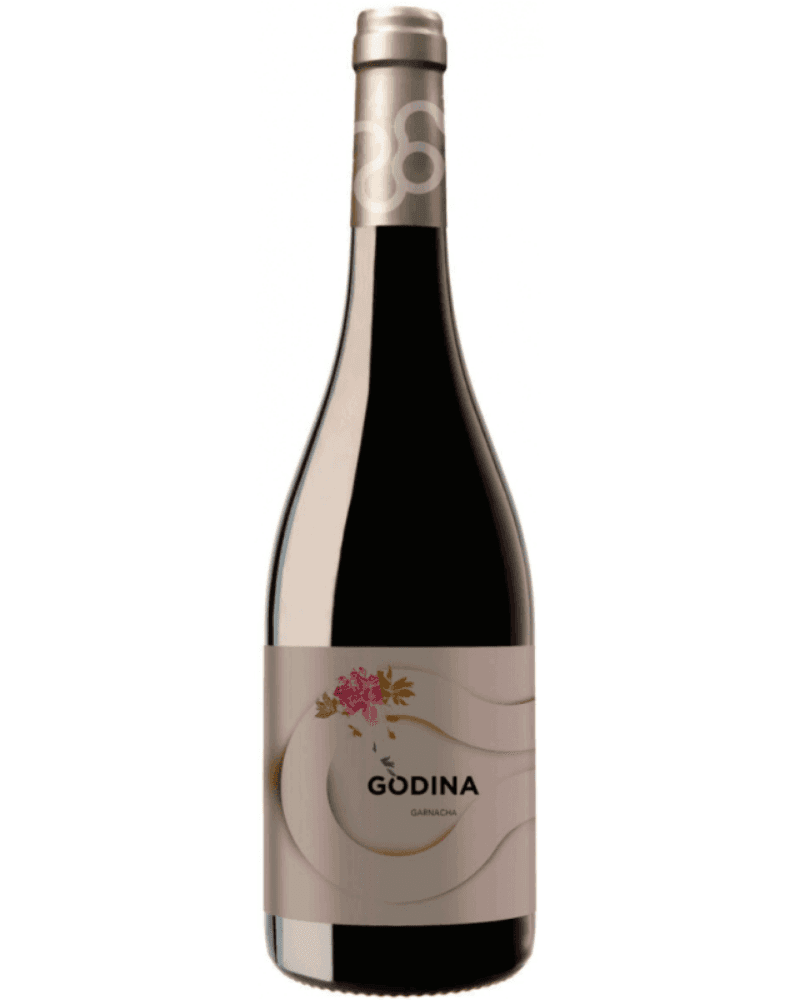
A celestial nectar : Godina 2017

Godina 2017

DO Campo de Borja

100% Garnacha

Campo de Borja is not widely known for the outstanding quality of its wine, well, for most «zoomers» Godina has been a revelation last week!  A celestial nectar:-))

The nearest city is Zaragoza, and the DO Campo de Borja is located just East of the Moncayo mountain. This is a garnacha land, as a matter of fact, Aragon is thought to be the place of birth for Grenache (also known as lladoner, vernatscha, Garnatxa or Alicant. It has many other names). Garnacha Tintorera must not be confused with it, as it is a totally different variety. Grenache (blended or not) is well-known all around the globe and produce some fine wines in many places, such as Châteauneuf-du-pape in France, Barrosa valley in Australia or more close to us Priorat in Spain.

Bodegas Morca produces 3 different wines, Godina is entirely elaborated with old vines garnacha at 550m. above sea level, and although the wine is fermented in stainless steel, it has been aged 15 months in French oak.

The color is impressively dark and intense with a tiny red rim. The first nose is reminiscent of caramel, vanilla and coconut aromas. Also the strength is present. Godina is fetching a 16% abv… On the palate the wine delivers, very much like a great Amarone (italian wine from Valpolicella) or some Priorat. Full-bodied, intense and concentrated. It is smoky with ripe tannins and lovely rich texture. Lingering cherry finish.

But it is not the end!! After a few hours (actually 24 hours…) the beast was more sociable and elegant. The oak treatment was clearly on the second plan. The fruit intensity was mind-blowing, plums, cherries, spices… Still powerfull, but balanced with a juicy and savory finish! lovely

Finally, an tremendous blockbuster and a fantastic wine.

Just one more word! decant it 24 hours before. or keep it for another 3/5 years.

Godina

Virtual tastings : Fun, social and full of interesting wines!

Fun, social and… wines!

Awesome! It has been 4 or 5 weeks that we have launched virtual tasting. As it is, still, impossible for all of us to enjoy a good meal, in one of our favorite restaurant in Andorra, almost 80 #andorranwinelovers are joining us on Zoom. At first, everything was pretty awkward, but quickly the experience has been highly enjoyable for everyone! Some have made new friends, I have learned to understand better what people were looking for, and I have also noticed, that most people are a lot more open minded that I primarily thought.

And this is great! Because, so far we have moisturized our delicate lips with many differents wines from light to full-bodied, from red to white, but also from Spain, France, Italy, Hungary and Argentina. We have tasted well-known and unusual grape varieties such as Sauvignon Blanc, Verdejo, Furmint, Malbec, Garnacha, Cabernet Franc, Melon de Bourgogne, Merlot, Sangiovese… And we will taste a lot more in the coming weeks. 

Here some of the wines we have tasted.

You can also follow us on instagram

https://www.instagram.com/jeanlouisleguil/

Your Content Goes Here

Chateau Pajzos dry Tokaji

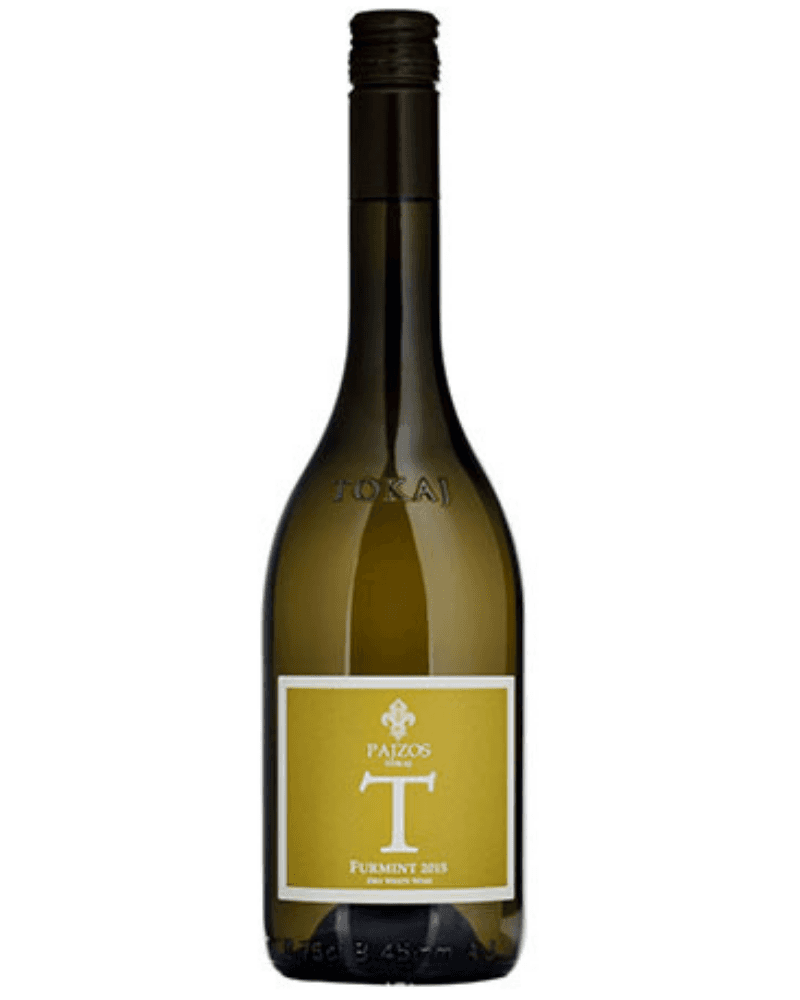
Château Pajzos, Dry Furmit 2018

Tokaji Hungary

100% Furmint

Tokaji is one of the first delimited wine region in the world (with Chianti Classico and Port), and to produce wine with botrytis.

This is a seriously addictive off-dry and light-bodied wine. Discreet, but still got some floral, grassy and sweet rhubarb notes on the nose. The texture on the palate is gentle! But it is balanced thanks to a great and fresh acidity. Lingering finish.

Great aperitif wine! or with sushi, especially, if you are a big fan of wasabi. Actually, last year, a friend brought me some Wasabi flavored Japenese crackers… This could be the perfect wine for it!

lalama

Lalama 2015, DO Ribeira Sacra

Mencia Blend (mouraton, brancellao, Garnacha tintorera…)

Galicia is not highly recognized for its red wine production, but it will change. Ribeira sacra has been producing wine for many centuries but it has been elevated to DO status in 1996. The exceptional landscape make Ribeira Sacra one of the most impressive wine region in Europe, as it is surely amongst the steeper vineyards along Mosel-Saar-Ruwer or Côte-Rôtie.

Elegant, floral (violets), fresh and concentrated. Liquorice and polished tannins.

A perfect wine for roasted lamb shoulder

terre argence

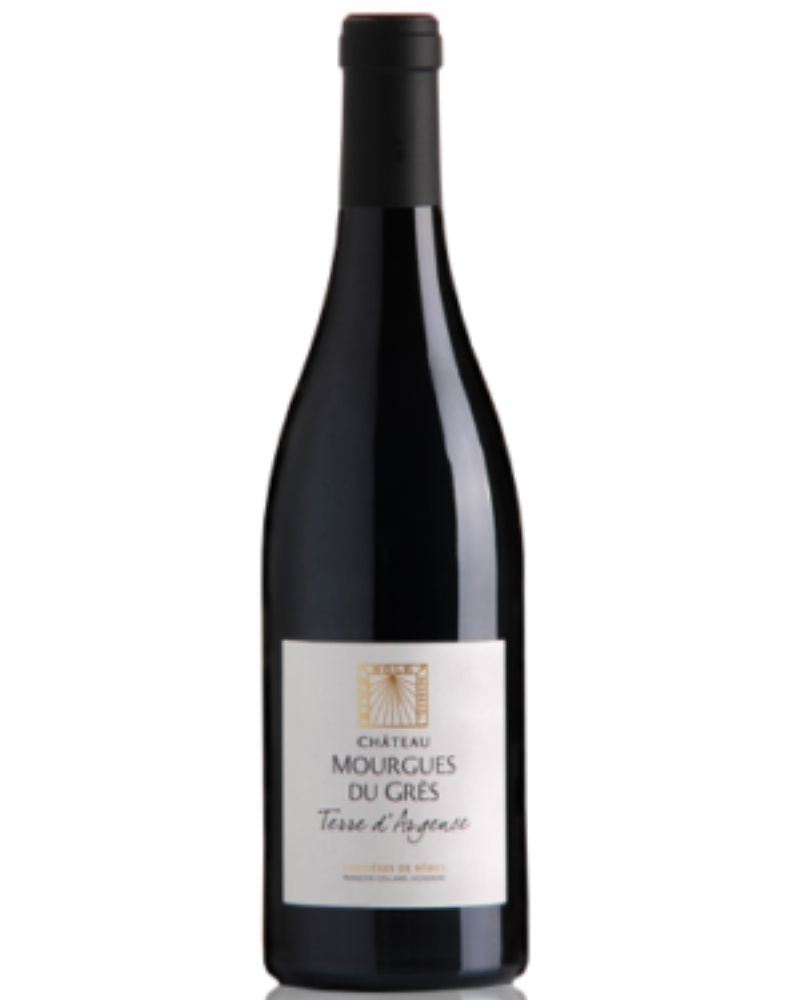
Terre d’Argence 2016

Mourgues du Gres, Aoc Costieres de Nïmes

Syrah blend

From the southern most area of Côtes du Rhône, François Collard produces some great red and mediterranean wines.

Syrah dominated, it shows a great complexity on the nose : dark fruit, blackberry, but also juniper and rosemary. The palate is intense and full-bodied. It will keep for another 2/3 years easily, but why? it is drinking beautifully right now

FREE wine tasting course

wine tasting

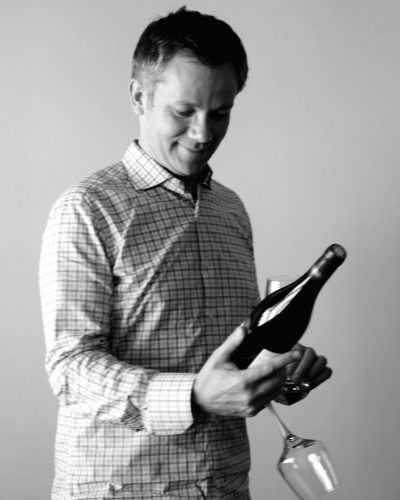
This week, Join me for a Free wine tasting course through a video conferencing platform. Let’s do something entertaining and fun while we are stuck at home. I am Jean-Louis a French sommelier and wine importer based in Andorra, and after 2 weeks of being confined I really need to spice up my free time and to socialize with people !! So this time the course is Free, not the wine though !
If you, already have the wines at home, feel free to join, but if you don’t I can provide you with the wines. Then, we will be tasting, sipping, and eventually drinking.
Let’s do a 30/40 minutes ZOOM fun session, tasting 3 different lips licking wines.

I’ve designed 3 themes, although,
if you have other ideas, well, they are welcome,
let’s have some fun around wine.

DAY 1
Travel with all your senses
(Landscape in a glass) :

Learning the great differences (body, acidity, texture, dryness, intensity, flavor…) between cool to warm climate. In order to compare the crisp and mouthwatering acidity of the Atlantic land to the round, mellow and flavorsome palate of the Mediterranean …

  • Blau DO Montsant (Mediterranean) Red Full-bodied. Round and Mellow. Ripe fruit and soft. A great quaffer.
  • Valdehermoso Roble DO Ribera del Duero Red (Continental) Full-bodied, savory, leathery. Dry.
  • Lalama DO Ribeira Sacra (Maritime) Red, Medium-bodied, perfumed, floral and raspberry, slightly wild. Fresh and complex. (seriously addictive)

DAY 2
Garnacha & Garnacha :

Discover what Garnacha’s flavors have to offer. Its capacity to produce very different wines …

  • Foradada DO Terra Alta – White Grenache Blanc – unconventional white, round, dry with bruised apples and star-anised notes.
  • Domaine Guintrandy, Vieilles Vignes, Côtes du Rhône. Red, From a cooler place. Medium Bodied, fruity and easy with polished tannins. A Bargain!
  • Godina DO Campo de Borja (Aragon) Red, Packed with dark fruits plums, smoky, intense and rich. A Blockburster!

DAY 3
Wines for Juicy BBQ :
(It is time for casual wines)

Soon, we will be able to socialize around a great BBQ in our Andorran’s Mountain… to make the most of it, we need the appropriate wines. What could be your best choices? and why? They must be straightforward, easy-going …

  • Sauvignon Blanc de Touraine White Loire, France. Dry and Aromatic. Grapefruit, passion fruit, light-bodied and easy drinking (maybe too easy ;-))
  • Entresuelos, Zamora, Spain – Red, Caramel, vanilla, chocolate, coffee. Full-bodied, rich and ultra-satisfying (hitting the spot?)
  • Callejon del Crimen, Malbec Mendoza Argentina Red– Intense, ripe dark fruits and spices (black leather)- Full-bodied but gentle and velvety.

FAQ

How much does it cost ?
Courses are free, the box of wine is 90 euros for 9 bottles, delivery is free of charge.

What are the dates ?
I am thinking of Friday the 3dr of April once the kids are in bed, but really, dates and time are not set in stones, we can decide them as a group, please call me and we’ll decide what can be done.

Update (We have one date for the first wine tasting course – Frifday the 3rd of April a 20h30)

How many people can participate ?
As many as you want to share your wine with, please respect the confinement rules and do not group, if 10 of you are confined you are welcome to be in the same zoom access.

How long are the courses ?
+/- 35 mn, longer if you have a lot of questions ! Of course, if you have doubts or need any furthers details, do not hesitate to contact us by mail : classicvins@gmail.com

What do I need for participating?

  • The wines at the right temperature (try to have them at 12/14ºC) or just store them for an hour outside (terrace or window)
  • Corkscrew (might sound obvious, but I can’t share mine this time…)
  • 3 wine glasses per person. (to compare color, viscosity, legs and then the evolution)
  • Water, and maybe something to eat such as bread, cheeses (avoid strong ones, mild cheddar styles are perfect), nuts.
  • Download Zoom on your computer, make sure camera and microphone are fine. (I will communicate the access code)

I can participate to only one course, how does it works ?
I can record the other courses and send them to you later on, if you are interested.

What language are you using ?
Frenglish at a good level, but really english, now if you are few friends and want to do a course in Catalan, French or Spanish give me a call or send me a mail : classicvins@gmail.com

Until when do I have to order ?
The sooner the better! As I have to organize deliveries. But 24 hours before the course should be fine.

I would like to order other wine as well, is this possible at all ?
You can of course just order other wines, we’ve been delivering our customers since the beginning of the sanitary measures, our licence allows us to deliver, obviously we are very careful for your and our security. call me or check out https://www.classic-vins.com

Can I find your wines in Andorra supermarkets ?
Sorry we sell our wines only to restaurant and private clients, and we work only with small talented wine growers. Our selection is rarely available in supermarkets.

I have an other question !
Call me on 368 363 or send me a mail: classicvins@gmail.com

Keep safe,

Jean-Louis

Tutorial wine tasting on line

Free wine tasting , as we are all confined at home!

Next week, we will organize tutorial tasting on-line. which will cost 115 euros, more or less for a case of nine wines.

The format would be a 30/40 minutes video through ZOOM, while tasting 3 different wines. The main idea is to do something entertaining and fun while we are stuck at home. We designed 3 themes, although, if you think you have better ideas, well, they are welcome!

DAY 1 –  Landscape in a glass :

Basically, learning the great differences (body, acidity, texture, dryness, intensity, flavor…) between cool to warm climate.

1 mediterranean wine, 1 continental, 1 Atlantic (maritime)


DAY 2  – Garnacha Tasting

Here, the idea is to discover what Garnacha has to offer. We will discuss its capacity to produce very different wines. From white, rosé, light simple and highly reliable red to superb intense beauty, sweet and fortified…

3 Grenache wines from different places.


DAY 3 – BBQ Wines

Hopefully, soon we will be able to socialize around a great event such as a nice BBQ in our Andorra Mountain… But to make the most of it you need the appropriate wines. Here, we discuss what could be your best choices.

1 – White – 2 reds


Please let us know if you are interested by calling us on the 368 363 or just order the Confined Wine Box

Due to Covid-19, we are all stuck at home. Let’s do some E-tasting!

Minerality in wine

Minerality,

What a great subject! Where does it come from? we can sometime easily confuse acidity, reduction with minerality.

If you have time, thanks to COVID-19, to watch a 20 minutes video, please, do have a go at this one :


Steve Daniel and Dr Jamie Goode are giving their «feeling» and sharing their knowledge on this tremendous subject.

If you are after mineral wines, do not hesitate to contact us. We do carry quite a few.

Whites

Ekam Castell D’encus

Chablis 1er Cru William Fevre

Nosso by Menade

Reds

Chateau Fonroque, Saint Emilion Grand Cru

Ferrer-Bobet Vinyes Velles, DOQ Priorat

Sang de Corb, Celler Frisach Do Terra Alta

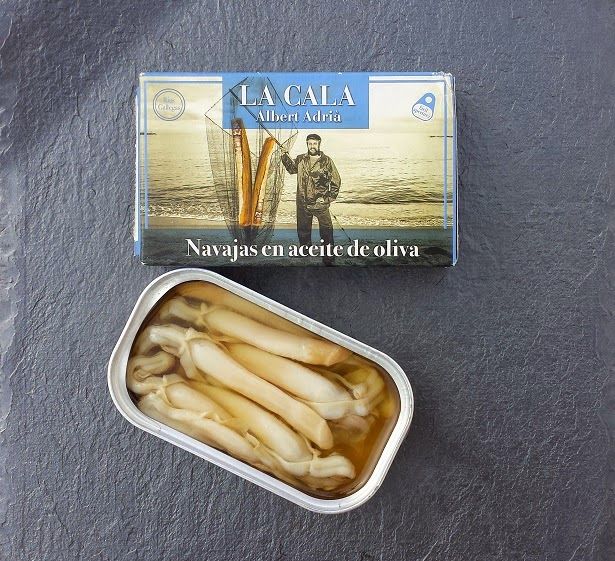
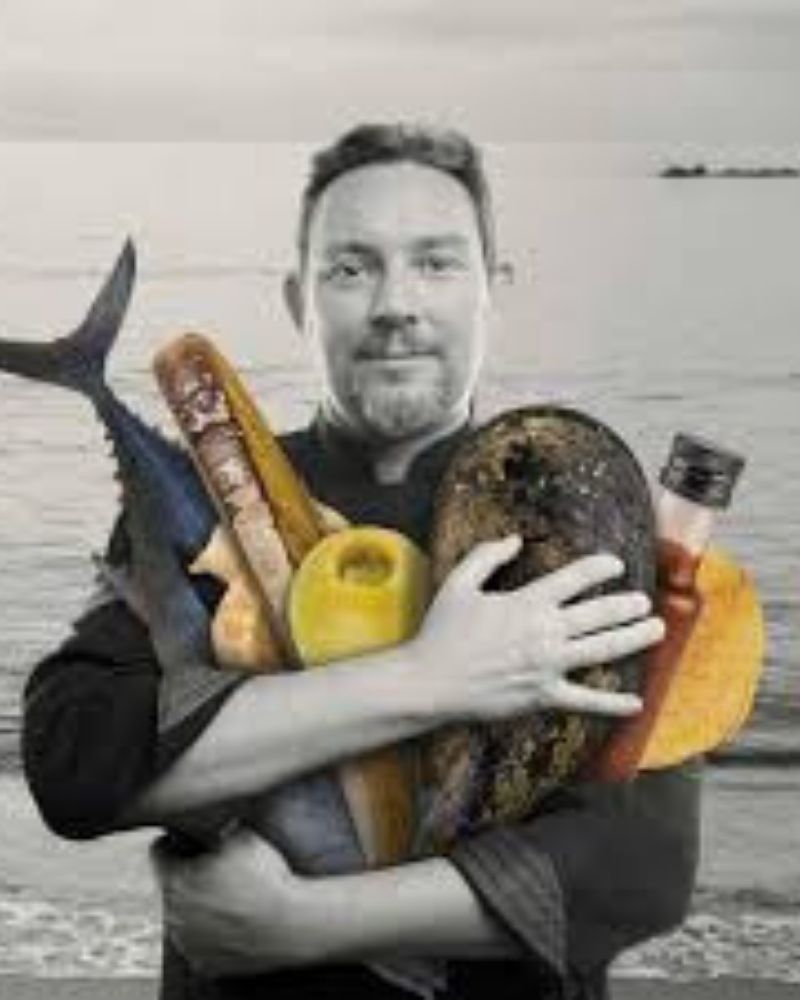
Albert Adria La Cala

Albert Adria La Cala

(Owner of the one star-michelin restaurant called, Ticket, in Barcelona)

Have you ever tried a tremendous product like this?

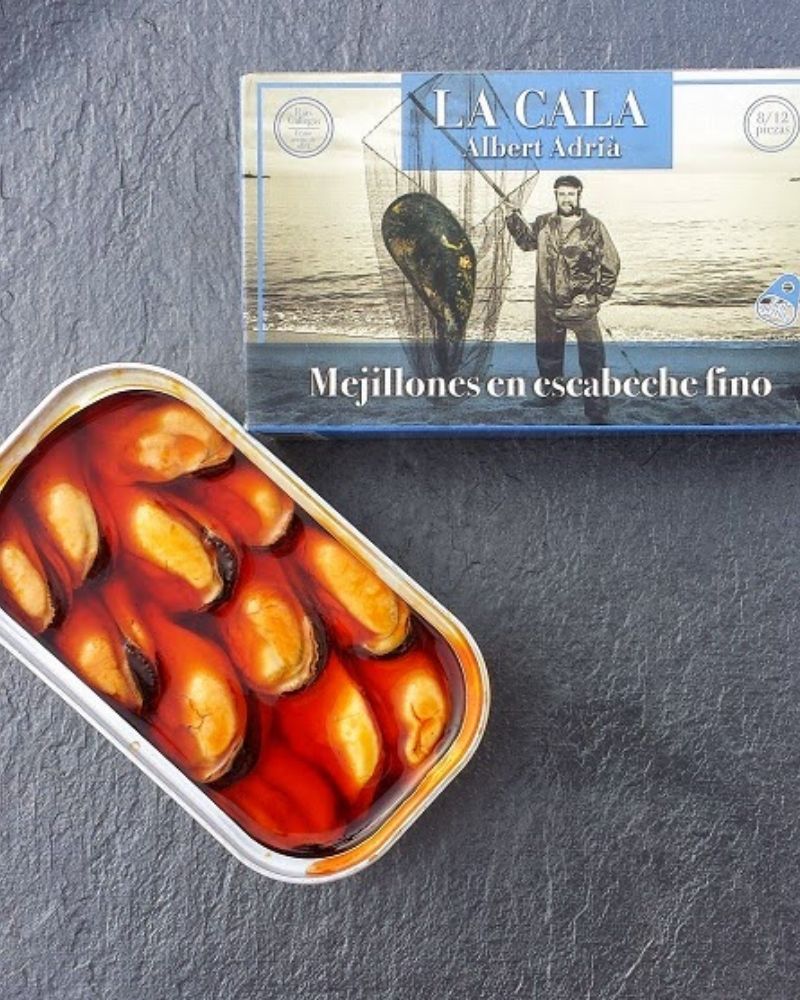
First of all, it is generally accepted that Albert Adria, (Ferran’s brother, from Restaurant El Bulli) is one of the most talented chef of his generation. He is coming up with new ideas all the time! His brain must be constantly boiling… Now seriously, the main idea behind La Cala is to offer a fine product for the aperitif, that don’t have any fault that most tinned food usually has. In order to achieve the best cooking point, they are working closely with theirs collaborators in order to eliminate all the tricks of the trade, that are commonly used to make the tinned food more resistant through time. Like using too much salt, overcooking… With La Cala, every single steps of elaboration has been studied and controlled, in a way to respect as much as possible the Product… and by doing so, they are pleasing their clients! 


I remember exactly when was the first time I have tasted them! yes, they are that good! First of all, the olives are so tasty and with such a lovely texture. The most popular ones are with anchovy, my personal choice are the savory «aliñadas», so lingering, so tasty.

Then come the crisps, which are thicker that usual «commercial» crisps. Also you must think that they are a lot tastier, especially vinegary one.

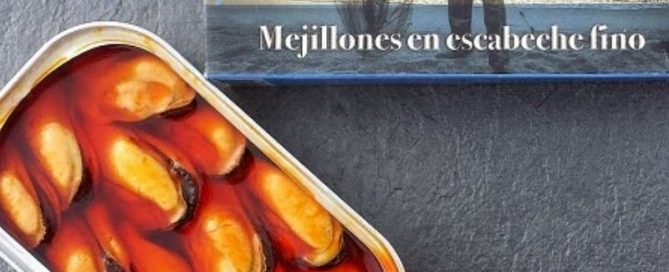
The mussels in escabeche sauce are surely, and aesthetically speaking, the most surprising product. One by one they are selected by hand. The vinegar and the salt is gently dosed, the result is unique.

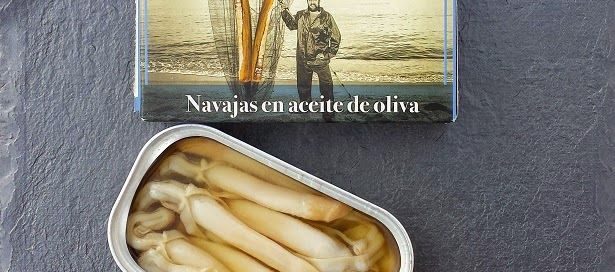
If you are curious, you should come and have a look at the entire selection, in our warehouse in Santa Coloma. Because La Cala Selection include is clearly broader : Razor, Shell in olive oil, Octopus in escabeche sauce, Smoked mackerel in olive oil, White tuna belly in olive oil (the most difficult one to acquire, as the production is tiny), Natural cockles and the funky Monkfish liver with yuzu ponzu.

Talk to you soon! and come to visit us at Classic Vins in Santa Coloma…

https://classic-vins.com/wine-selection/delicatessen/

Go to Top