Domaine de la Rectorie is going higher

Domaine de La Rectorie

Banyuls/Collioure


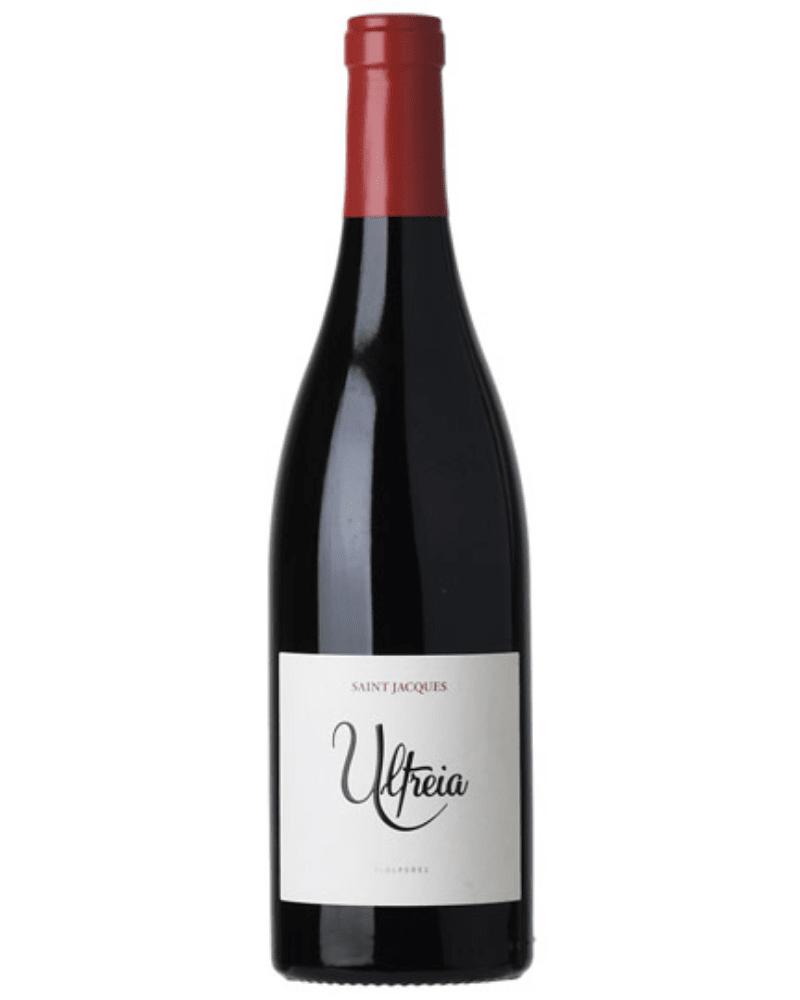
Domaine de La Rectorie is a well-known producer from the Roussillon, that produces some beautiful and intense mediterranean wines. So far, the most popular one would be «Les Abeilles»  a Grenache based wine, that deliver strength, concentration and dried mediterranean herbs for less than 10.00 euros.

Then, the Priorat-like, l´Oriental yielded from grapes that have reached optimum maturity that a part of the harvest produces Banyuls! Banuyls is the name given to a local desert wine that is stabilized by adding brandy before fermentation is completed, in order to keep a great amount of residual sugar! Aromatically, l’Oriental exhibits camphor, eucalyptus and extremely ripe fruits. It is full-bodied, dry with a long finish. (grenache, Carignan blend)

Col de Perdiguié 2019 is a brand new wine, elaborated from Syrah that are cultivated a 200 metres above sea level. The vineyard is cultivated with enormous care, and the wine is aged 12 month in French oak.

Syrah is planted in many area in France, and although its name is sometimes associated with exotic place such as Shiraz or Syracuse, specialist confirmed that Syrah takes its origins in the Rhône Valley. Now, Syrah is performing outstandingly well outside the top area of the Rhône valley : Côte Rôtie, Hermitage, Saint-Joseph, Cornas…

Many Syrah’s lovers are easily pleased with all the tremendous wines that are available through the Languedoc, and even more if they can find from the fine terroir of La Liviniere in Minervois. Within the Roussillon, one of the famous spot is Vallée de l’Agly where syrah is also planted, and is blended mostly with Grenache.

Col de Perdiguié is a microcuvée, so far all we have received are 18 bottles! As you will understood, we won’t have enough…


Handcrafted Champagne : Maison Henriot

Handcrafted Champagne : Maison Henriot


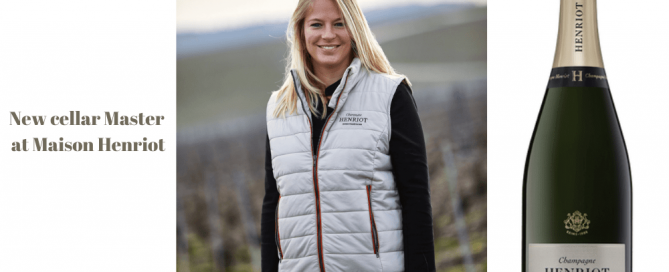
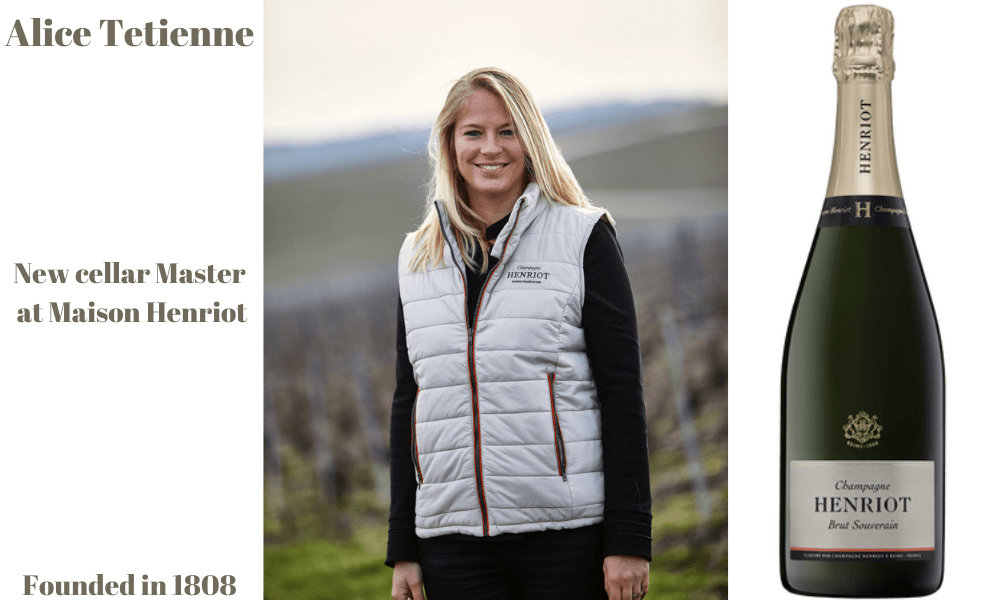
Recently, Champagne Henriot has been particularly covered by the specialized press. In February 2020 a highly talented new cellar Master has started a new path : Alice Tetienne. She is highly graduated and has worked for top wineries in Champagne : Laurent-Perrier and Krug (just to name a few).

What makes Alice Tetienne different or so special?

She is, obviously, in charge of the winemaking and blending process, but also responsible for the viticulture one, which is very rare. In other words she will have a eye on covercrops if needed or not, on ploughing in order to force the vines’ roots to dive deeper into the soil. Global warming is, unquestionably, another subject to handle primarily in the vineyard, and Alice is totally aware of this.  Her obsession is improving quality, and thus, crafting significantly more precise and terroir focused Champagne. Which could be, nowadays, one of the greatest challenge for Champagne Houses, by the way.


Maison Henriot was founded in 1808, by widow Appoline Henriot. It should be noted that 78% of all the planting in Champagne is covered by black grapes : Pinot Noir and also Pinot Meunier. Maison Henriot defines itself as a Chardonnay’s specialist. Therefore, most cuvées are chardonnay dominated and particularly their «Hemera» bottling!

Brut Souverain :

50% Chardonnay

45% Pinot Noir

5% Pinot Meunier

Tremendous Champagne, vinous and elegant. Generally overlooked.  Aged at least 3 years on the lees with less than 8gr/L of of sugar.


Blanc de Blancs :

100% Chardonnay

A white wine produced from white grapes! That is what «Blanc de Blancs means, as it has been mentioned before most champagne are elaborated from black grapes.

Here, the brightness of the Chardonnay combined with the minerality of some great terroirs comes through. 2/3 of the fruit is sourced in the Côtes des Blancs (1er Crus and Grand Crus), including Mesnil sur Oger and Avize! The Blanc de Blancs has been aged 4 to 5 years before to be released, and again there is less than 8 gr/L of residual sugars.

The style is fresh, elegant with discreet layers of complexity. A true Blanc de Blancs style!


Cuvée Hemera

First released with the 2005 vintage, «Cuvée Hemera» takes its name from the greek goddess of day and light. Due to such tribute, it is an exclusive blend of 6 Grand Crus :

  • Mailly, Verzenay and Verzy (montagne de Reims)
  • Chouilly, Avize and Mesnil-sur-Oger (Cotes des blancs)

It combines, equally, the strength and depth of the finest Pinot Noir with the brightness and elegance of the most sought-after chardonnay from La Côte des Blancs.

Differing from many other top cuvees in Champagne, Cuvée Hemera is aged in Maison Henriot, at least 12 years ont the lees. The result is mind blowing, or taste-buds blowing;-))

Complex, rich and elegant without losing freshness. It is like drinking an aged white burgundy with bubbles. A stunning experience, that needs delicate and noble dishes such as scallops, caviar or lobster.

Last but no least…

Cuvée 38

100% Chardonnay

100% Grand Cru

100% Cotes des Blancs

In 1990, Joseph Henriot had a vision that resulted in «cuvée 38». A perpetual blend, something that could recall the solera system in southern Spain. When older wines are «refreshed» with younger wines. This outstanding Blanc de Blancs sources its chardonnay exclusively from 4 of the finest Grand Crus :

  • Chouilly
  • Avize
  • Oger
  • Mesnil sur Oger

Hence, each year a portion of Chardonnay is added to the vat, named «Cuvée 38», capturing the essence of every vintage.

A limited edition, that exist solely in magnum.


To conclude, we are undoubtedly convinced and enchanted with Henriot’s great Champagne. Although, new blood, new ideas and vision can bring Henriot to a upper quality level. Can’t wait!


Wines from Rias Baixas : indigenous and dynamic

Wines From Rias baixas


Celtic country ubicated just in north-west Spain, Galicia is, actually, clearly one of the most dynamic wine producing region of Spain. So far, you will find 5 DO (denominación de Origen) that works principally with endemic varieties (and many of them shared with Portugal). In the past 20 years, the Galician wine scene has metamorphosed completely. Now, producers (especially smaller sized estate) are defending and promoting their beautiful wines thanks to a deeper understanding of their soil, grape varieties and clever cellar work!

Galicia enjoys a rather isolated situation within the Iberian peninsula. The «Sierra de los Ancares» to the east, the Atlantic ocean to the west and the Miño river that separates Galicia from the northern part of Portugal. Humid and warm (2000 hours of sun), some vineyards are using the pergola training system in order to promote aeration allowing to dry the grapes, thus avoiding cryptogamic diseases.

Diversity (soil, indigenous vareties, climates…)

Then the diversity, also, comes from the land (topography and soil), climates, training systems and cultivars. As a matter of fact, Galicia is proudly cultivating indigenous grape varieties and some of the most recognized are : Albariño, Godello, Treixadura, Mencia, Brancellao, Merenzao. Unlike many other Spanish wine regions that are elaborating wine from international varieties (Chardonnay, Cabernet Sauvignon, Merlot…)

DO Rias Baixas :

World-wide famous wine region for producing some light, crisp and semi-aromatic white.

Rias Baixas is covering more than 4000 has of vines, making it the largest DO in Galicia. It is divided in 5 sub-zones :

  • Ribera de Ulla
  • Val do Salnes (60% of total production)
  • Soutomaior
  • O Rosal
  • Contado do Tea

Here the very poor soils are mainly granitic, sometimes covered with clay, sand or lime. Albariño is the main variety, it ripens early and it has a thick skin which helps to prevent cryptogamic diseases. Treixadura, Caiño blanco, Godello, loureira  and Torrontes (also known as Fernao Pires or Maria Gomez in Portugal).

As, some red varieties are also planted for instance Mencia, Brancellao, souson, caino tinto, but are seldom seen and tasted:-)) with just46 has of vines, Ribera de Ulla is mostly planted with red varieties.

If Albariño is mentioned on the label, then the wine must contain at least 70% of it.


Palacio de Fefiñanes

Palacio de Fefiñanes is an historic producer, being one of the first to bottled his own production. (a bit like Marquis d’Angerville in Burgundy)

Their style is dry, crisp and clean. Their entry level is dry medium-bodied white that offer a fresh mouthwatering nose. Apples, citrus and apricot. The mid palate is complex and refreshing. Long with a great cleansing effect due to a great acidity.

Fefiñanes III años is a serious wine complex white wine, that combines freshness, depth and aromatic complexity. A gastronomic pleasure, that has been aged on the lees for at least 7 to 9 months. it is then released 3 years after it year of production or vintage. The result is mind blowing and elegant.

Muesli, honey, ripe fruits such as apricot and citrus. Very persistent, rich and lingering. Probably one of the most interesting «Aged» albariño, as they are not using oak to bring layers of complexity.

Compañia de Vinos Trico

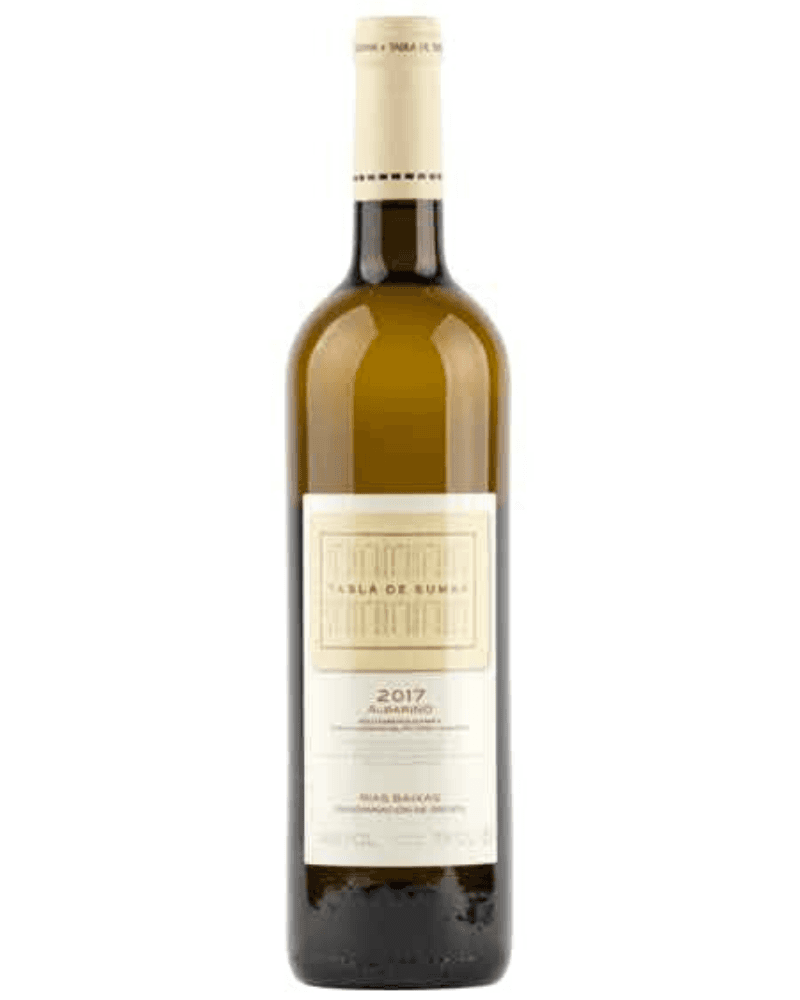
Compañia de Vinos Trico is a rather small producer located in the Contado de Tea sub-area, and enjoys a warmer climate than Fefiñanes which is producing in Cambados (closer to the coast). Here several wines are elaborated. Tabla de Sumar is an unusual creamy, rich and full-bodied Albariño. Unoaked but highly complex with some.

Significantly different Trico is their flagship wine. Aged on the lees for a whole year as well as another full year in bottle before to be released. The resulting wine is a gastronomic pleasure, ideal for grilled scallops or quality fish and chips!

Bruised apples, apricot and citrus. The lee-aging influence is not overwhelming but its presence bring depth and a highly seductive oily texture. Fresh and balance.

To Conclude, be sure that soon, we will post about Ribeiro and Ribera Sacra. Great wines, still fresh but slightly fuller-bodied.


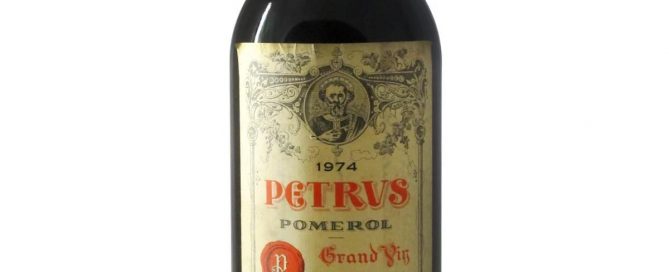
Jean Claude Berrouet, 44 years in Château Pétrus

Jean Claude Berrouet, 44 years in Château Pétrus


Last year, I acquired  a few books and 2 of them mentioned Jean Claude Berrouet and his «faith» in terroir. The first one is the «Wine Bible» by Karen Mcneil, which is a great up to date book on wine – world-wide, that I actively recommend to anyone. The second one is the superb «Italy’s native wine grape terroir» by the super talented and hugely dynamic (especially on instagram) Ian d’Agata. Nonetheless, Jean Claude Berrouet is rather discreet, humble and poetic, some qualities that are pretty rare in our industry.


He studied oenology in Bordeaux, and started to work for Jean Pierre Moueix in 1964. Jean Pierre Moueix is an important French negociant based around Libourne, or the so-called right bank :

  • Château Pétrus
  • Château Fleur-Pétrus
  • Château Trotanoy
  • Château Hosanna
  • Château Bel-Morange…

And Dominus Estate in Napa Valley, California.

In various interview, Jean Claude Berrouet admits that working and being in charge of so many top estates would be absolutely impossible nowadays. If my memory is correct, Jean Claude has collaborated with the wine legend : Emile Peynaud, for the 2 first vintages. It should be noted that Peynaud’s influence is recognized by Jean Claude Berrouet himself. As result he favors elegance over extraction. Here, you will find a great interview that took place in Bordeaux, at «La Cité du Vin» – in French :

In 2007, Olivier Berrouet, his son, vinifies Château Pétrus and Jean Claude initiate a new life. As a result, he is consulting in various country such as China (Ch. Ronzi), Spain, Argentina, Israel…

However, what you probably don’t know is the hidden part of the iceberg ;-)) Since the mid 80’s Jean Claude owns 2 properties in Bordeaux (he also produces wine in is homeland, IROULEGUY, under the Herri Mina ‘s brand) Jean-François Berrouet, his other son, manage both estates :

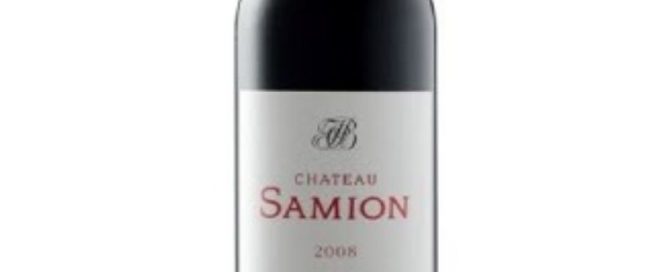
Château Samion 2016

100% merlot (old vines)

2Ha

Aged in Oak, 20 months (15% New)

Although 1979 was the first vintage to be released,  Jean Claude Berrouet owns it since 1985. 100% merlot, and the vines are 45 years old (average). The style is elegant, round and richer than Vieux Château Saint André, especially if the wines are not matured. Although highly enjoyable in its youth, it does keep pretty well. Often beautiful when it reaches 8/10 years old.

We also have a few magums.

22.50 Euros a Bottle

50.00 Euros a Magnum


Vieux Château Saint André 2015

12ha (Old vines)

85% Merlot

15% Cabernet Franc

Aged in Oak, 15% new.

Mostly merlot, completed with cabernet Franc. It yields a more traditional and austere wine compared to Château Samion. On the other hand, Vieux Château Saint André is an excellent keeper, in the best vintages it can be easily cellared up to 20 years.

18.75 Euros a Botlle

40.00 Euros Magnum


If you are interested to acquire a few bottles, please do contact us!


Eduardo Eguren : Cuentaviñas

Eduardo Eguren : Cuentaviñas


Unquestionnably, Eguren has become an important name in La RIOJA when it comes to wine! Eduardo’s father is no other than Marcos Eguren, also recognized as one of the best wine-maker in Spain, producing top and worth-aging wines such as La Nieta, San Vicente, Amancio, CVC or Magico. Furthermore, the famous and biodynamically run Teso la Monja estate, located in Toro, is also owned by his family and until recently Eduardo was in charge of it. Obviously not keen to stay in his comfort zone, Eduardo Eguren choose to take his own path besides his wife Carlota creating Cuentaviñas.

Cuentaviñas: A brand new project

Cuentaviñas is a brand new project that starts in San Vicente de La Sonsierra in the vineyards. Exclusively old vines vineyard planted in 1960 or 1923! Mainly with tempranillo but also some Viura, Malvasia and Calagraño. What a great name «CuentaViñas. Every single wine need a story. So, for Eduardo Eguren the most significant one is the tale of vineyards with its specific soils, texture or topography. But also the aged of the vines, their variety as well as the vintage that helps to understand a place through such a beautiful liquid:-))

After completing his studies in La Rioja, obviously,  he has worked with great and well-known producers such as Juan Carlos Lopez de Lacalle from Artadi or  the Californian Sashi Moorman (domaine de la Cote, Piedrasassi, Stolpmanvineyards). In spite of its young age, he has gathered wine-making experience, study, travelling (California, France, Australia, Italy….) along with a collaboration with a fine wine broker/wholesaler from London in order to understand better the final consumer.

What we can tell you so far, is that the first vintages of Cuentaviñas from la Rioja are about to be released, and very few bottles are available :

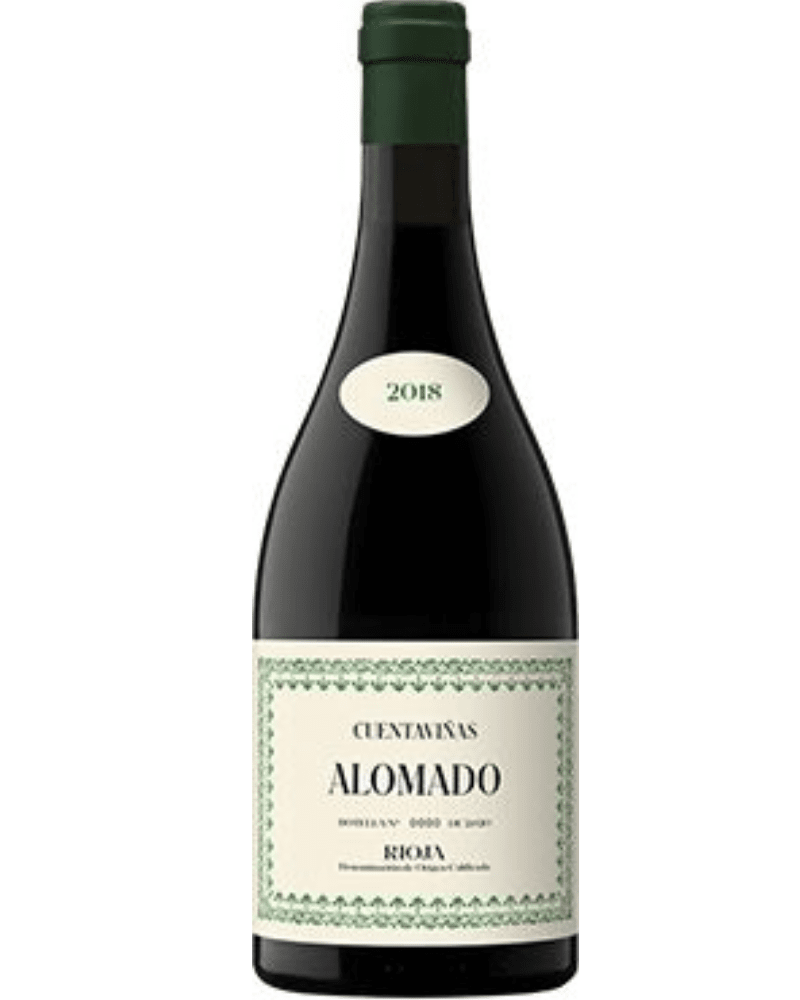
ALOMADO 2018

2000 botlles produced

Here, Tempranillo is the dominant variety it is co-planted with Calagraño, Viura and Malvasia. The soil is chalky with clay with some alluvial components (little stones). Planted in 1960, this vineyard is virtually at the foot of the Sierra Cantabria Mountain.

«Very elegant medium-bodied wine, completely different from Sierra Cantabria’s «Style», here the extraction seems to be a lot softer, and the oak treatment is less obvious. Restraint nose, fresh cherries, lightly smoky and chalky. On the palate, the wine is persistent and has a certain volume in the mouth (13.5%), but being so young, it is kind of tight, still. Liquorice and cranberries are present and the finish is long and fresh»

Alomado is barrel fermented (the malo-lactic fermentation too) and it is, then, aged 18 months in 500 Liters barrel.

35.00 Euros a bottle

LOS YELSONES 2018

2050 botlles produced

From a different vineyard at 550 meters above sea level, called «LA RAD», which was planted in 1970 solely with Tempranillo. Although, it is enjoying a continental Climate, there is a fair influence from the Atlantic ocean which is thought to be responsible of the freshness detected in the finished wine.

«Definitely more profound nose with rose petals, spices, especially cloves. Apart from this, the chalky character is also present in this wine. Persistent, and the mid-palate is deeper showing some juniper berries flavor. once again, it needs time as the acidity and the tannins seem to cover its full potential.»

Barrel fermented (both fermentation) in French oak, using 500 liters cooperage in order to minimize its impact on the wine. It is then aged 18 months.

Moreover, «Los yelsones « are calcareous rocks/stones that are present in the vineyards, hence its name!

140.00 Euros a bottle


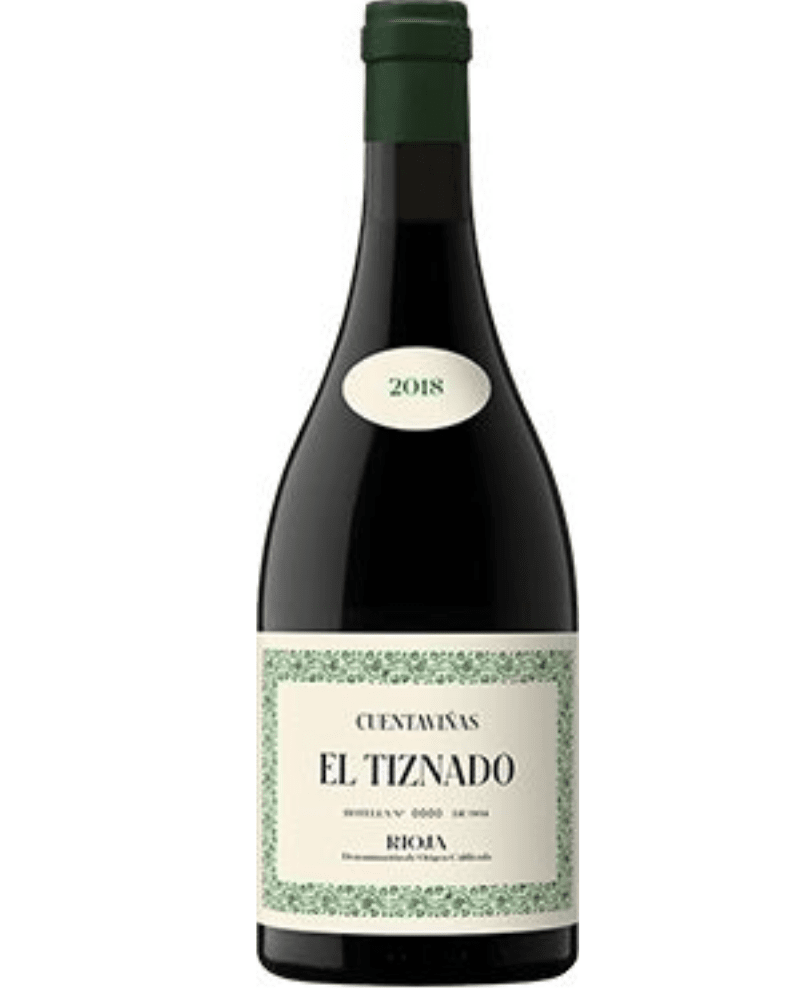
EL TIZNADO 2018

850 bottles produced

100% Tempranillo

The cream of the Crop!

«El Tiznado» which means tainted.

It refers to the peculiar reddish color of the soil, due to some oxidized iron’s presence. It is highly appreciated in Burgundy, it is reckoned that most Grands Crus, and to a certain extent some great premiers crus, contain a high content of Oxidized iron in their soil. Will it be the secret of profound wines? well, it can’t be that simple.

«El tiznado is the most intense of the three. Smoky, toasty, dark fruit, yet, the style is. again. very elegant. Perfumed, creamy, supple and round. It delivers a lot more than the first two, but don’t get confused the style stays the same, although it is fuller bodied. Lingering finish – Rose petals.»

Anyway, here the vineyard is known as El HOYO and was planted in 1923. In addition to this, the vegetal material is thought to be highly diverse, even so it is entirely planted with Tempranillo, el Hoyo is composed of various clones of the latter. An important detail, that could help to deliver a more complex wine.

Unlike Alomado or Los Yelsones, smaller barrel have been used : 228 liters french barrel to be exact, they are also called «Bourguignone». Finally, the wine spend 18 months in oak.

168.00 euros a bottle.


Finally, Cuentaviñas will soon release a grenache from La rioja, and a Ribera del Duero. So keep checking our facebook, instagram or web-site as we will update you as soon as possible.


Cheers,

Here you will find all their wines available at Classic Vins

https://classic-vins.com/?s=cuentavi%C3%B1as



Odetti Bistro, French wine tasting

Odetti Bistro, Wine tasting evening.


Last night, we had a lovely event at Odetti Bistro, in Escaldes-Engordany. The venue is great, cosy and spacious and the food as stunning. On the top of it, Jose Antonio Guillermo (the Owner) has been helped by friends such as Pere Canturri (pollastre Can Tu), Sasa (used to own Celler d’en Toni), Juan Carlos (grupo Japomex, Adelita, San Telmo), and also Juan, co-owner and the Chef from Dylan’s in el Tarter.

https://odettibistro.com/

We had several tables of 2, 4 and 2 tables of 5 persons.

Aperitif: Champagne!

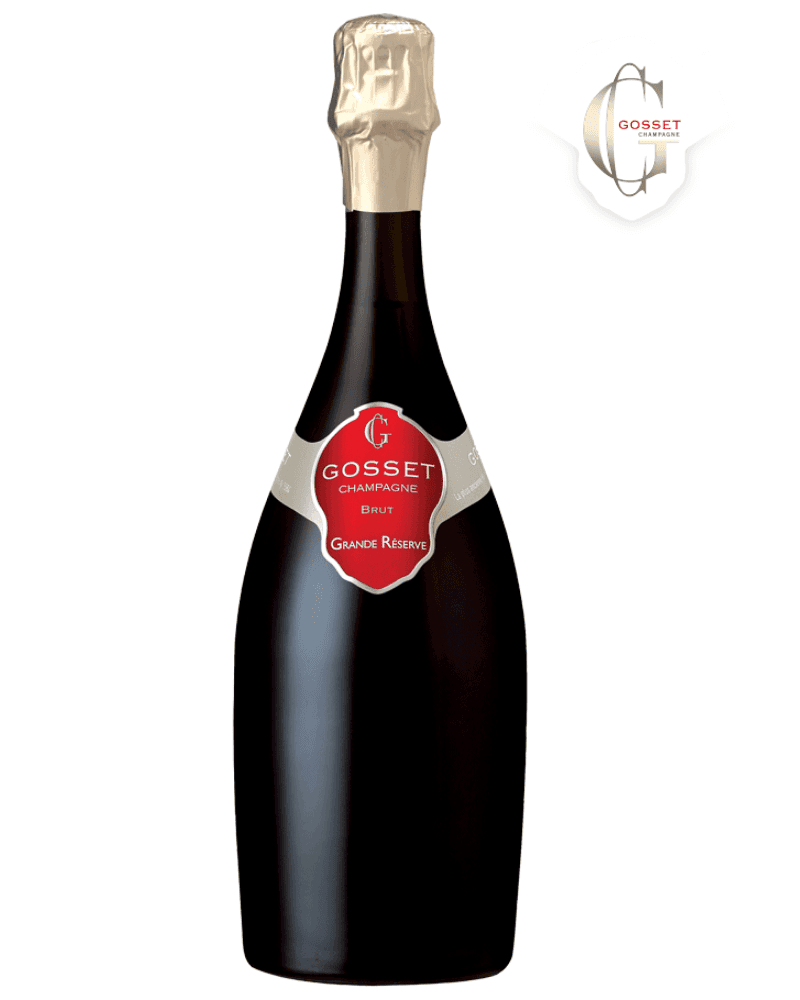
Champagne Gosset Brut Réserve has been the first glass we served to our guests. The bubbles is fine, the style is crisp and fresh, but don’t get fooled, it is aged 3 years on the lees, and it has layers and layers of elegant complexity. Bready, muesli, Honey, White prunes. Just like the very confidential Champagne Salon, Champagne Gosset do not make use of malo-lactic fermentation.

It was served, with a terrine of Foie Gras with apples in 3 textures (Creamy, Roasted and Crispy). Very interesting match, as the acidity of the apples brought freshness to the dish, and made the right connection with the Champagne.

Unusual Mediterranean white: Vermentino

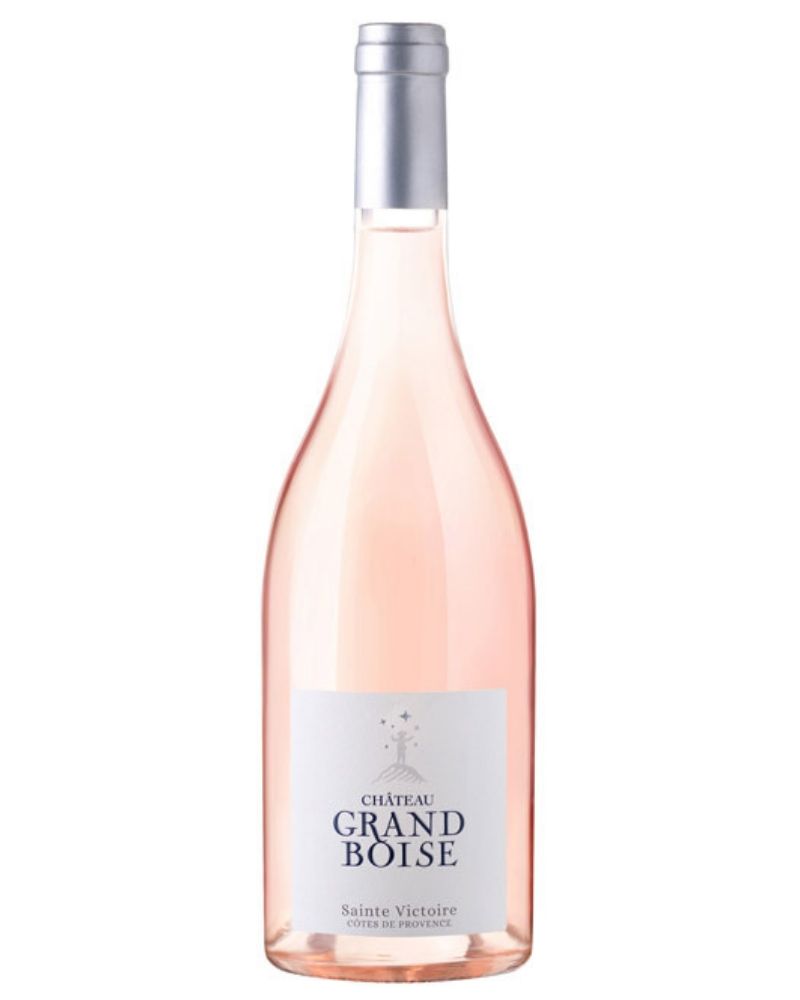
After, we travelled to Provence where 89% of the production is dedicated to rose, and just a little 4% to white wine. So it becomes pretty clear that white wine from the area is a rarity. Château Grand Boise is located, away from the coast, inland close the Sainte-Victoire mountain. Actually, very close from a tiny Aoc Called Palette!

They work organically, and produce mostly rosé, what a surprise! Although they owned a small north-facing parcel, planted with Rolle or Vermentino, which produce a delicious, crisp and aromatic white wine, that has a lovely texture. Grapefruit,  herbal infusion and watermelon  on the nose, the palate is fresh, but not acidic, medium-bodied it is concentrated but not oily. It is persistent, elegant with some rooty/gentiane character. Long finish, gentle saltiness.

Scallops were served with this wine, and this was a mind-blowing food-match.

Mind-blowing Saint Emilion Grand Cru Classe: Château Simard

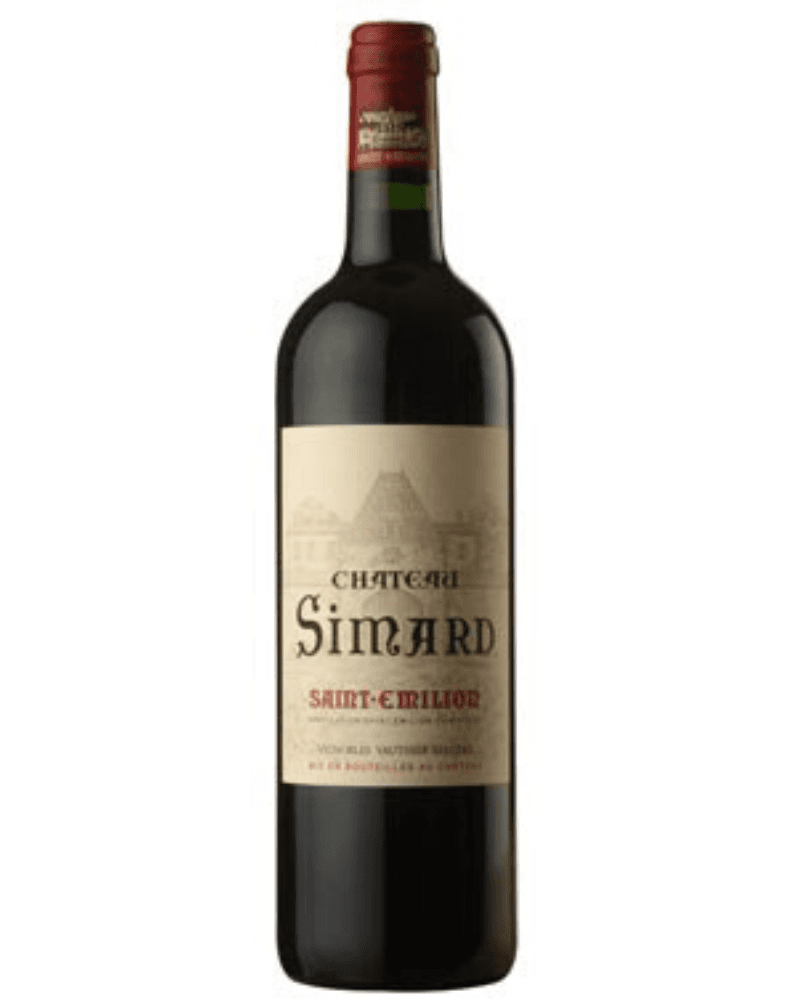
The main course was a stew, pork’s cheeks with a creamy pumpkin purée, rich and savory! Château Simard, a Grand Cru Classé from Saint-Emilion was showing particularly well! A fairly modern Bordeaux, as it is fetching 14% of alcohol, so yes it is ripe but not jammy. The oak treatment is subtle, and stays behind. It is fluid, although young as it is a 2015, the tannins were tamed by the slightly concentrated sauce.

The well-exposed Château Simard is owned by the Vauthier’s Family, and although Pascal Delbeck used to work there as an oenologist, now Pauline Vauthier takes care of the winemaking process. The Great and world sought-after Château Ausone, situated just above Ch. Simard on the plateau, belongs to the Vauthier Family, as Château Fonbel.


Then, we had a delicious desert with different texture and color. A pleasure for the eye, but not solely ;-))

The sweet touch: Château Fontaine

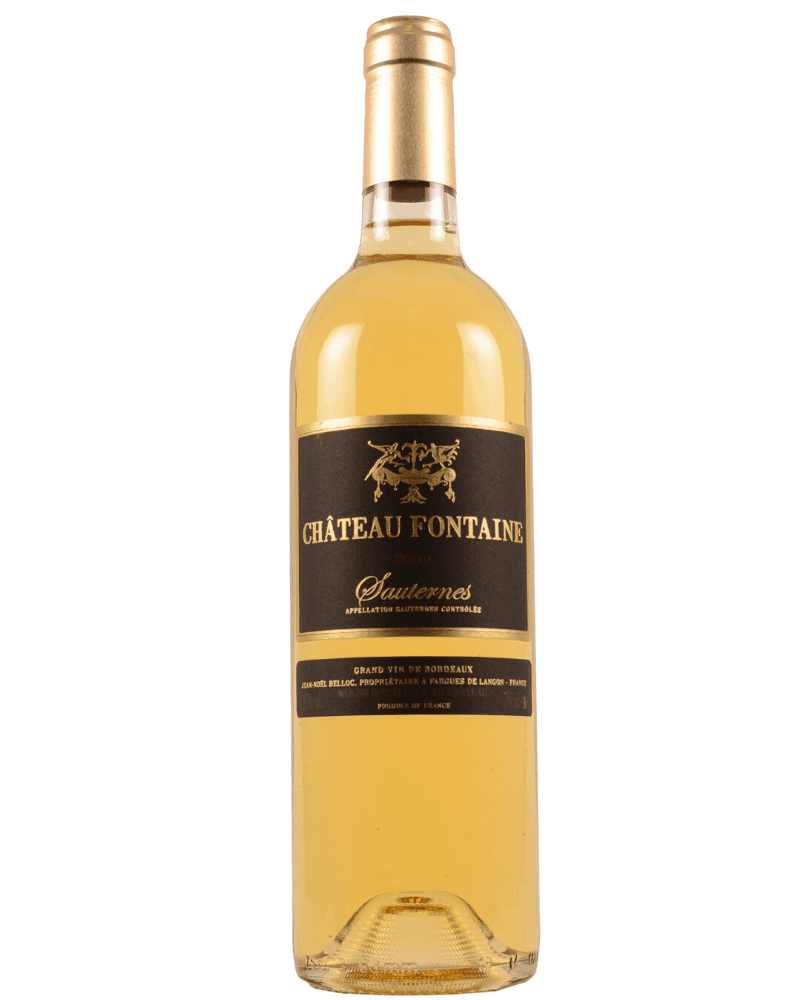
Château Fontaine 2016, from Sauternes and more exactly from the Fargues’ commune, was a tremendous choice to match our last dish. Rich, full-bodied, clearly Botrytis-affected on the nose it still offers freshness, the residual sugars are not overwhelming and are really well balanced. Apricot, honey, the mushroom character mixed with spices such as cinnamon, also noted in great sweet wines from Burgenland in Austria or Tokaji in Hungary, proved that Ch. Fontaine is truly a fine wine to discover.


Again, we must thank Jose Antonio and his Team (Anna and Cathy). A last word or comment about the very quiet «Pita», who works in the kitchen, and was in charge of the fabulous Foie Gras! What a good job! every single guest has enjoyed our evening of fine cooking and special wines.


Juan Gil Monastrell : Best Value?

Juan Gil Monastrell : Best value?


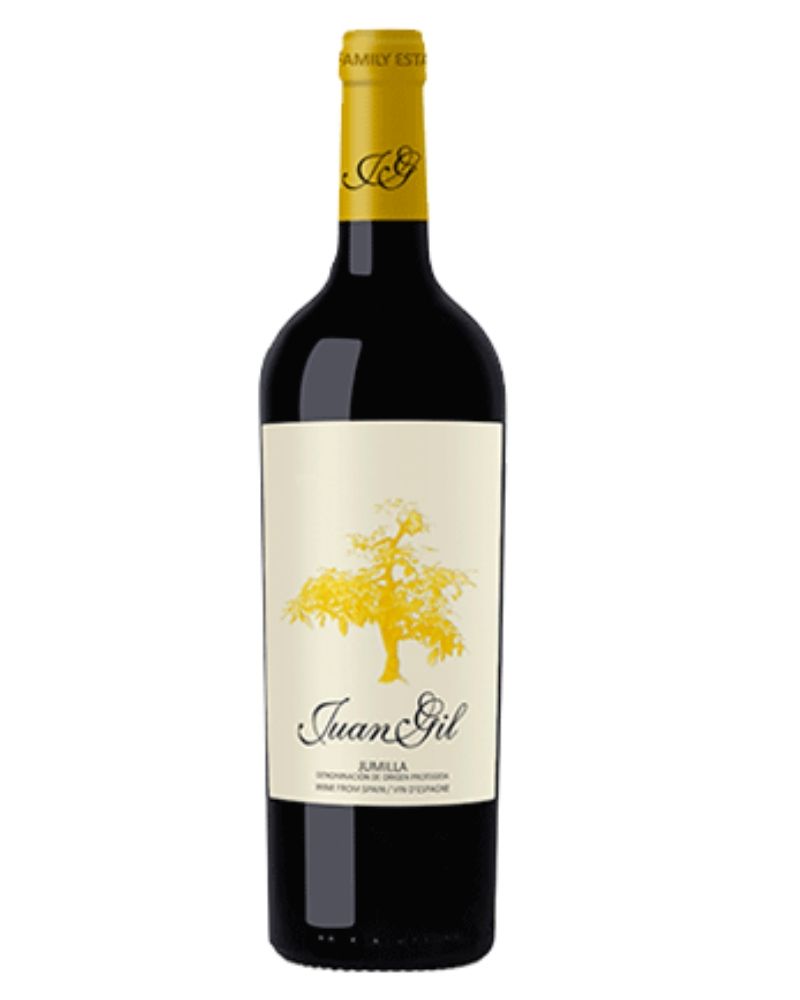
As wine merchant, we are always looking, searching, seeking wines that offer great value! for us and for our clients. Last week, Bertrand Ferré  and I, were tasting blind randomly our most popular range. The overall quality was rather impressive:-)), nonetheless 1 bottle shone over the others! for the stunning price of 6.50 Euros a bottle.

Juan Gil Estate is surely one of the most dynamic producer in Spain, as they are producing wines in many other well-know wine regions such as : Montsant, Rias Baixas, Almansa, Campo de Borja, Calatayud… and obvioulsy Jumilla.

Leading the path to quality, especially, in Jumilla which has now gain fame for producing some top notch red wine from Monastrell, Juan Gil estate understood, pretty well, what some people were looking for!

Their aim is to elaborate big and bold wines that offer stunning value, packed with fruit and that deliver immediate pleasure. Well, that is exactly what we tasted last week!!!

Aromatic nose of ripe strawberries and figs with a gentle smoky character. Full-bodied, rich with glyceric mouthfeel that is balanced thanks to a great and refreshing acidity. Persistent and long, it is reminiscent of some style of wines you could find in Priorat ( and sometime Ribera del Duero) that would cost 3 times its price.

If you love Zinfandel from California, or some big Shiraz from Coonawarra do not hesitate : Juan Gil Yellow Label is your wine.

To conclude, if you are into big, bold, sunshine wines, check our selection of Jumilla’s wines.

https://classic-vins.com/?s=jumilla

French Wine Dinner, in Andorra

French Wine Dinner, at Odetti Bistro


This Wednesday,  a French Wine Dinner will take place at Bistro Odetti, in Escaldes-Engordany!

Jose Antonio Guillermo, the owner, run the place since last year with Anna (his wife) and Cathy (his sister)… I guess their favorite work song is : «We are family» – Sister Sledge

Joke apart, Jose Antonio is well-known in Andorra for being a great Sommelier, he was actually the sommelier of the star Michelin Restaurant Aquarius, that has unfortunately closed its doors some years ago. He is also fascinated about food, and he operates sometimes in the kitchen.

On wednesday the 23rd, we will be presenting 4 different French wines :


First of all, we will start with Champagne, obviously, one the most unique and emblematic wine from France! Funded in 1584, in Aÿ, Champagne Gosset is the oldest wine house in Champagne. it is racy champagne, delicate and fresh (No malo-lactic, like Champagne Salon). An ideal companion for starting a meal. Champagne being naturally «umami» or savory, is probably on of the most the versatile wine to match food with.

Then, we will travel to Provence! it is said that Provence has special light, well more 3000 hours per year, that will explain it. 89% of the local production is dedicated to Rosé, another 7% to red, and only 4% represents white wine production. Château Grand Boise, is nested inland, near the Saint-Victoire Mountain range, not far from Palette (Château Simone). Of course, they do elaborate Rosé, but recently we have discovered this amazing southern wine yielded entirely from Vermentino.

Here, the climate is more continental, cooler, and on the top of it the parcel of Vermentino is enjoying a northern exposure, helping to ensure a clean, fresh, natural crisp style. A true discovery!


With the main course, a Saint-Emilion Grand Cru from the sublime 2015 will exhibit its strength and elegance.

Château Simard is owned by the Vauthier family, which is the actual owner of the great Château Ausone.

Although being a blend, Château Simard is Merlot dominated situated on the «slopes» or Côtes of Saint-Emilion. His tremendous solar exposure enhances the highly pleasant aromatic side of merlot, that is complemented with Cabernet Franc. The oak treatment is discreet, which bring a certain balance to this beautiful wine.

We will conclude with a great wine from Sauternes, within the Fargues‘ commune, Château Fontaine. A rather distinguished and complex sweet wine produced mainly with Semillon. Rich, intense with a great acidity that brings length and balance. Apricot, honey, orange peel aroma on the palate, lingering finish…


For this great wine tasting Classic Vins thanks Bistro Odetti, for helping us in organizing this French Wine Dinner in Andorra. We are sure that the evening will be success, and that it will be an event to repeat as soon as possible.

Cheers,

Food and wine pairing : Light and dry white wines

Hello!


Food and wine pairing is one of the most thrilling activity after wine tasting! Summer is on, and its getting really hot out there! So our fridges are being packed with light, crisp white wines from France, Spain and sometimes Italy…


Obviously to match lighter food such as salads we will, instinctively, search for wines from cooler climates : Chablis, Sancerre or Muscadet but do not hesitate to be curious, sometimes southern wines can be just as refreshing!

«Ah! le petit vin blanc…»


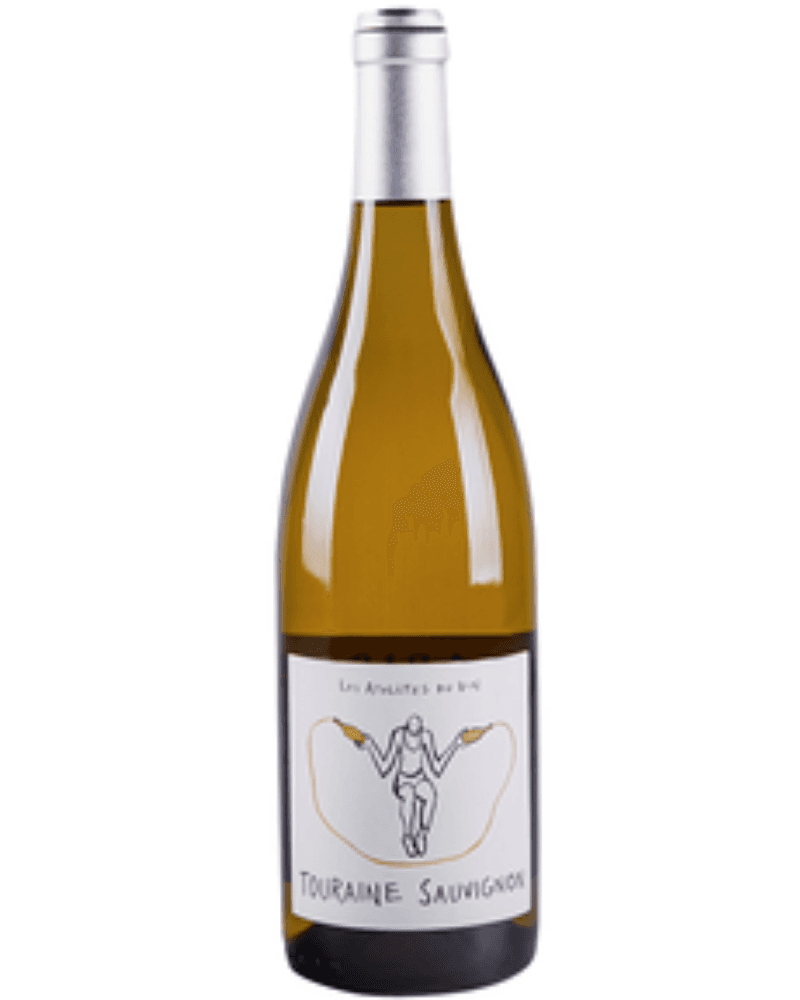
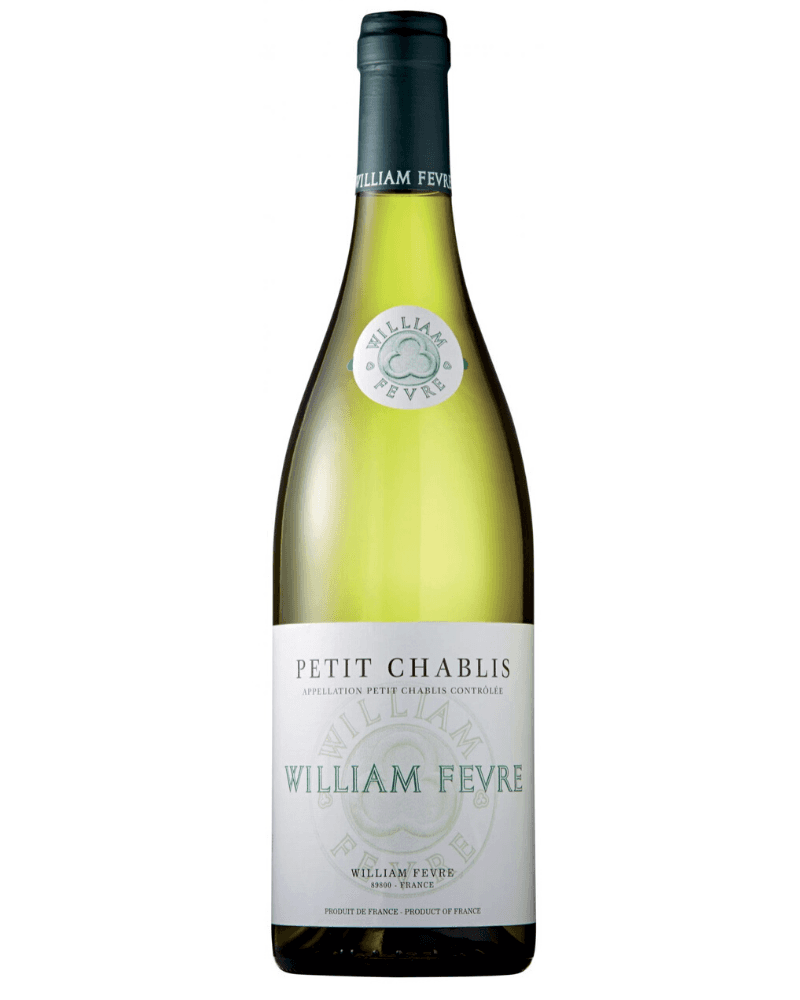
William Fêvre produces a stunning Petit Chablis, 100% Chardonnay. Dry, steely but round with some fresh apple notes. Light-bodied it will work nicely with many light dishes or salads. From the Loire Valley we have Sancerre and Pouilly-Fumé, but you should have go at Les Athletes du Vin Sauvignon Blanc! A new-world style Sauvignon Blanc from Touraine in France, highly affordable, it offers great value : Gooseberry, grapefruit, passion fruit with a floral element, light bodied, juicy, soft and fresh. Try it with fresh goat cheese or a salads with grapefruit’s dressing (in order to harmonize with the wine).


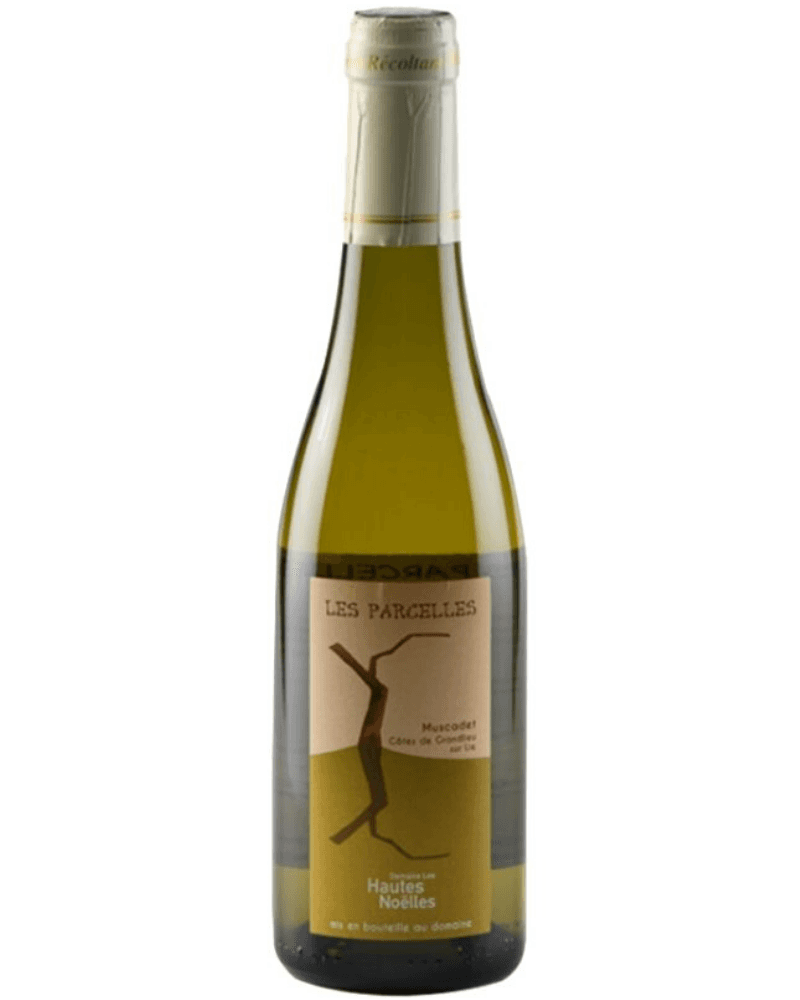
This year Muscadet is back! first thing about Muscadet, it is not related to Muscat (The grape Variety). It is elaborated with melon de bourgogne near the town of Nantes, and produces some dry, crisp and light white wine. Citric, yeasty (lee aging), easy and dry. If you love Chablis, and you are looking for a cheaper version, then this is your wine! you must have oysters or fresh sea food with it. As well, you must try, simply, with fresh bread and pâté!


Going slightly exotic!

From Hungary, we also have a Dry Tokaji, entirely made with a local variety called furmint. fetching 11.5%, it is a light white! Unoaked, honey dew, rhubarb, and discreetly off-dry. The perfect summer drink, but dangerously quaffable. Château Pajzos (actually owned by Chateau Clinet, Pomerol)

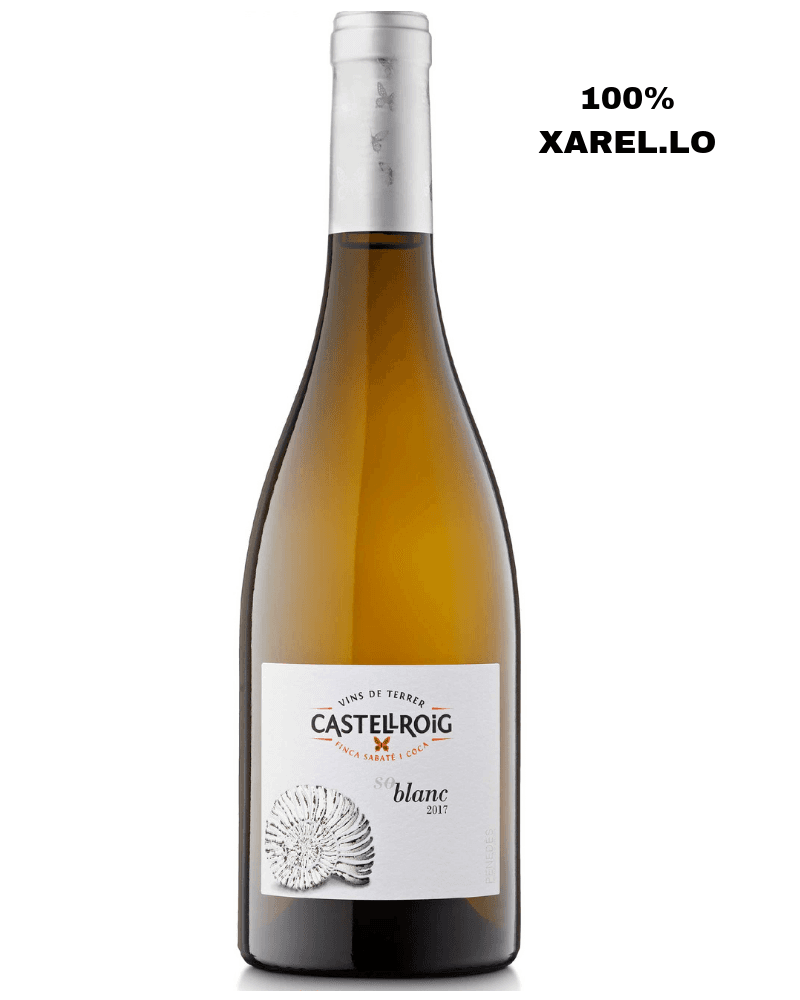
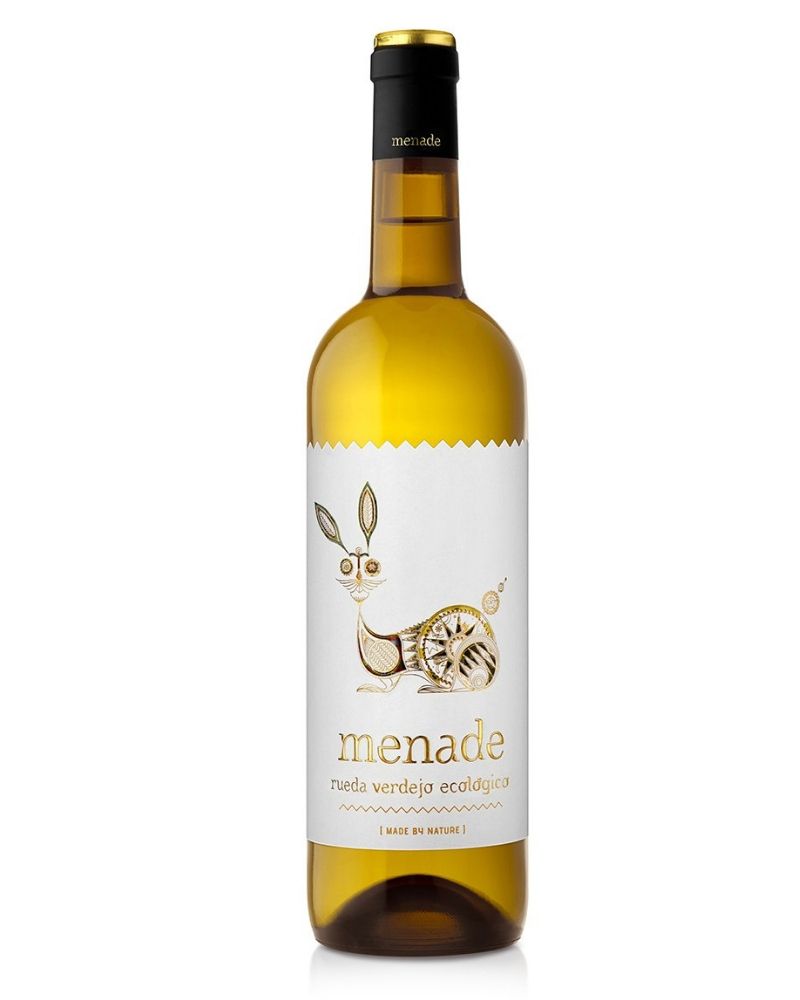
From Spain, many producers are now heading for lighter styles. Castellroig from the Penedes’ upper part is yielding a xarel.lo that is saline, fresh and simply delicious. From the same area, Torello has been offering a fantastic Chardonnay aged on the lees for just 2/3 months. It is easy and complex. you should try both with sushis or marinated salmon. If ceviche is your scene, then you should have a go with the Menade from Rueda.


On the Italian side…


Last word would be for the Vermentino grape variety. Recently we have tasted a few, and we have really impressed. Luigi Rivetti, from La Spinetta is producing a Vermentino in Toscana and the result is mind blowing and so unusual. Last week we also had from Provence a great Vermentino bottling from Grand Boise, light and stunningly fresh with saline notes, grapefruit with a touch bitterness. Ideal for an aperitif with tapenade, anchovies or fried fishes!


We have plenty of other options, Château Marjosse or Croix Blanche from Bordeaux, Palacio de Fefiñanes from Rias Baixas in Spain, Vouvray from the Loire or Riesling from Alsace… But if you want to discover our full range browse on our web-site or, if you can, come and visit us in Santa Coloma, Andorra La Vella!

Cheers!!!

Check our selection of white wines.

https://classic-vins.com/wine-selection/french/french-white/

https://classic-vins.com/wine-selection/spanish/spanish-white/

Enjoy the grape : Mencia

Mencía : elegant and refined. 

It has its own notoriety and deserve it. Nowadays winemakers are focusing on elegant wines with less extraction, and less oak.

Mencía ID

High quality grapes, native from Spain and Portugal. Mencía produces fine and elegant wines that showcase fragrant and mineral wines, with red and blue fruits with noticeable floral notes, especially violets. Tannins are generally soft, wines are fresh (thanks to a natural acidity). Quality wines have the ability to age with grace.

The DO Bierzo, from Leon, has played a leading role in promoting their main black grape variety that represents almost 75% of all the planted grapes in the DO. It is often blended with local varieties such as Garnacha Tintorera, Estaladiña (also called pan y carne) and Merenzao (also known as maria Ordoña, Bastardo or Trousseau in eastern France!)

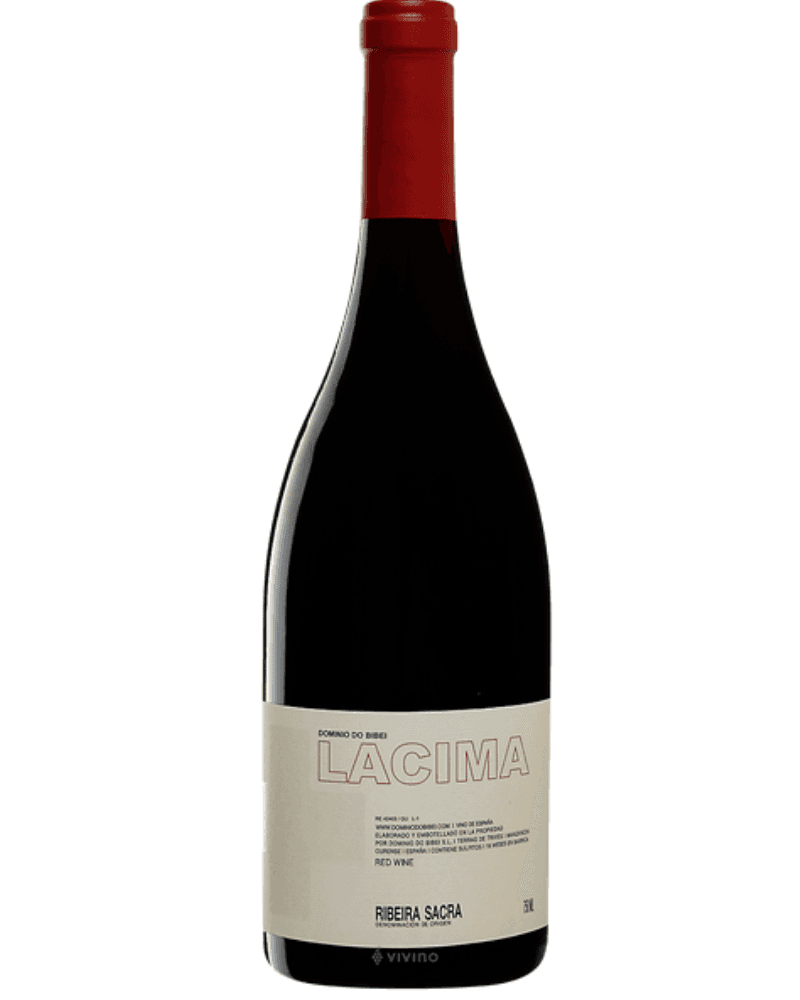
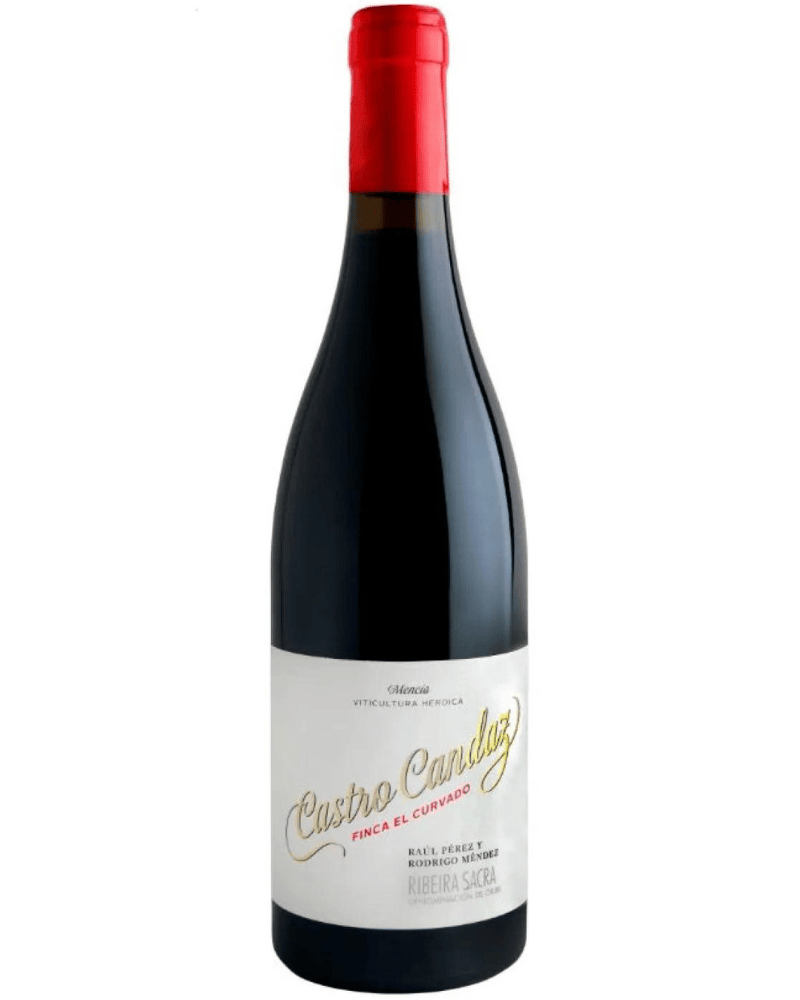
The up and coming red wines from Galicia are enjoying a revival thanks, principally, to Mencia. Dominio DO Bibei yields several wines in the DO Ribeira Sacra : Lalama, Lacima… Sometimes blended, sometime not!

In Valdeorras, it shares ground with its white partner Godello. Jorge Ordoñez elaborate 2 great wines, using mencia at 100%.

In Portugal, it is grown in Dao and in the world famous Douro region. Although it carries another name: Jaen de Dao, or simply Jaen.

For many years, Mencía has been related to Cabernet Franc, but a recent research has demonstrated that it could be a natural crossing of local Portuguese varieties : Alfrocheiro X Patarra.

For years many wine-makers were abusing of oak, extraction and picking their grapes too late, in order to achieve an international style that has, obviously, overshadowed its true character.

Low yielding variety, with a fairly thick skin and a small cluster, it is highly susceptible to Botrytis and Mildew (Fungus). Unlike, tempranillo that is now planted in many places outside Spain (Australia, Southern France…), a tiny plot of Mencía has been recently planted in California, in the Lodi AVA, and apart from that it is seldom used in the new world.

We carry various Mencía wines, but do not hesitate to contact us if you are looking for specific one.

Go to Top