-
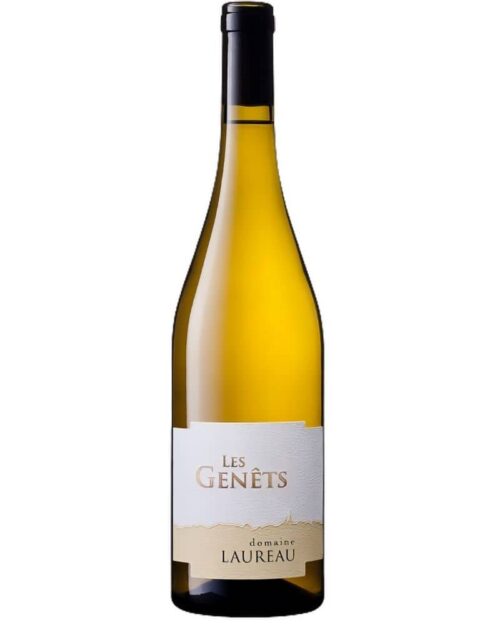
Domaine Laureau Les Genets
100% Chenin Blanc
- Fresh cut almonds, honey and ripe apples notes
- Dry, but round
- Medium bodied white
-
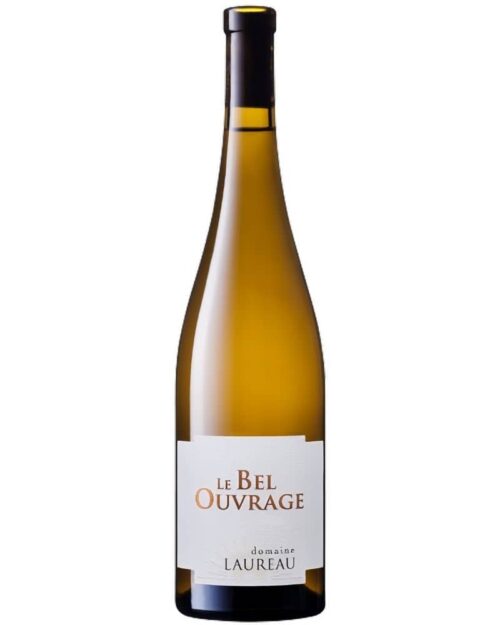
Domaine Laureau Bel Ouvrage
100% Chenin Blanc-
Intense, floral, honey
-
Round, elegant with a hint of bitterness
-
Different, but still a classic style
-
-
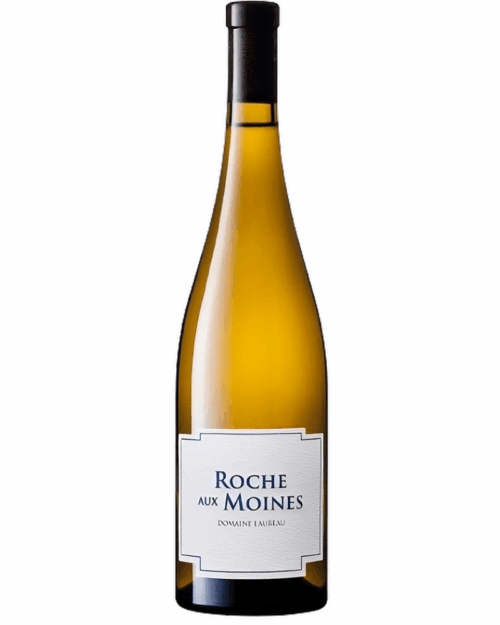
Domaine Laureau La Roche Aux Moines
100% Chenin blanc-
Aged 23 months in jars
-
12 months on lees
-
Chenin at its best
-
-
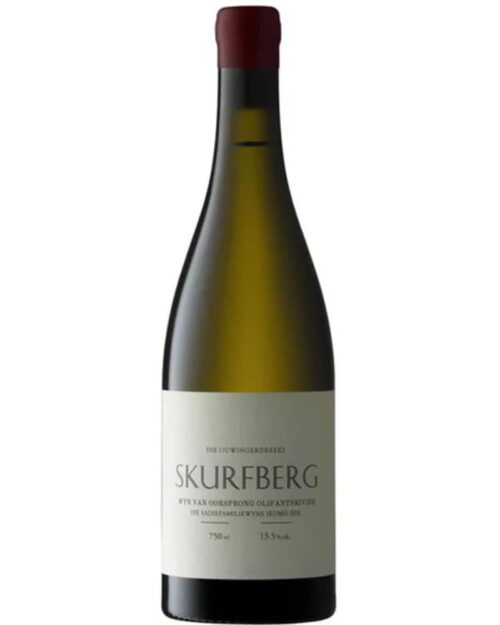
Skurfberg, Eben Sadie Family
100% Chenin Blanc
12 months in old Foudres VINIFICATION | The grapes are picked in small 20kg picking crates and then placed in a cooling room to reduce the temperature. We consider this an essential step in the Swartland where temperatures are often 35 degrees and more during harvest time; and pressing warm grapes comes with a series of potential challenges. The cooling process is followed up by whole bunch pressing. The process takes about three hours and during this time there is a margin of settling of the juice in the collecting tank. The juice is then transferred to two older foudres where it is left undisturbed until natural fermentation starts. The fermentation process can sometimes take up to 10 or more days to initiate and can last anything from 1 to 6 months, sometimes only finishing during the next spring, by which time the malolactic fermentation would often have come to completion as well. AGEING The wine is left in cask on the fermentation lees for 12 months and we bottle from the lees. We add about 50ppm of sulphur 2 weeks prior to bottling and bottle directly from the cask. NOTES | The Skurfberg Mountain is part of the Citrusdal mountain area and the word Skurfberg (Rugged Mountain) mainly refers to the edgy and rough appearance of the mountain. The soil is mainly weathered Table Mountain sandstone formations and tends to be very sandy. It is a truly great site for Chenin and it is most unusual that such a warm and dry area still produces wines with this enormous texture and freshness. -
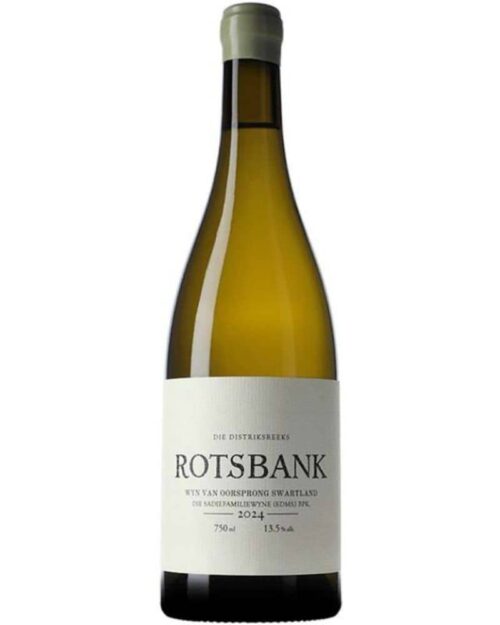
Rotsbank, Eben Sadie Family
100% Chenin Blanc
12 months in Old Foudres VINIFICATION After harvesting, the grapes are placed in a cooling room to reduce the temperature since the average temperatures are often 35 degrees or more – pressing warm grapes comes with its series of problems. We then do whole bunch pressing, a process that takes about 3 hours, during which time there is a margin of settling of the juice in the collecting tank. The juice is then transferred to two old foudres for fermentation. AGEING The wine is left in a cask on the fermentation lees for the first 12 months, and we bottle from the lees. Only about 60ppm of sulphur is added two weeks before bottling. NOTES The Rotsbank vineyard is located in the Paardeberg in the Aprilskloof on a rock shelf that barely has 30 – 50 cm of soil in most parts. It is incredible to think that this vineyard survives year after year. Many of the roots in the soil have found cracks in this rock shelf, and the limited natural growth of this vineyard makes for incredibly concentrated fruit. Since 2008 we have wanted to produce a Swartland Chenin Blanc, but the 2022 vintage materialised as the first after we were very fortunate to purchase the vineyard. -
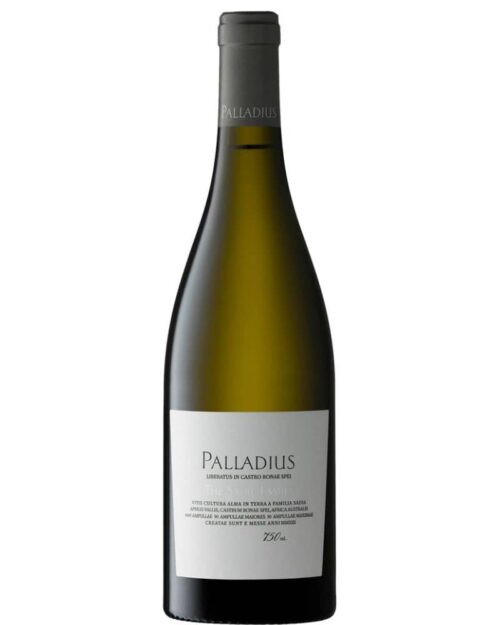
Palladius
Chenin Blanc, Grenache Blanc, Clairette Blanche, Viognier, Verdelho, Roussanne, Marsanne, Semillon Gris, Semillon Blanc & Palomino, Colombard VINIFICATION | The grapes are picked across a great many vineyards and taken into our cold room on arrival at the cellar. The next day the grapes are sorted and the whole bunches go into the press. The pressing lasts 2 - 3 hours and in that period a margin of settling of the juice takes place in the collecting tank. The turbid juice is then transferred to concrete eggs of 725 litres and 400 – 1200 litre clay amphoras for the next stage of natural fermentation. The fermentation temperatures in the clay amphorae and the concrete eggs are very constant and we only control the ambient temperature at around 18 degrees throughout the season. Each wine basically ferments in its own time – in some cases it may take up to 18 months - and every vineyard is fermented in the same vessel every year. AGEING | The Palladius matures in these vessels for 12 months and is then racked off into big old foudres for an additional 12 months ageing prior to bottling. After two years the wine is bottled unfined and unfiltered. NOTES | Over the past 5 years Palladius has been the wine that grew the most in quality and refinement and much of this has to do with the addition of more vineyards and the improvement of their viticulture. Currently of all our wines, the Palladius, with 17 vineyards, obviously represents the biggest canvas of the Swartland. The 2022 starts by almost playing hide-and-seek; the wine is more reserved and holding back. And only after warming up and a couple of minutes in the glass does the conversation start. The aromas are that of green apple and citrus flint, and then some of the stone fruit aromas begin to shine through. The wine needs time. The palate is already balanced, and the acidity is met by very firm tannins. The aftertaste is lingering. This bottling is a great vintage to follow the 2021. It is a strong contender for the most restrained version, but we must taste 2021 and 2022 with some age to have a final verdict.