Malbec from Argentina

Malbec from Argentina

Did you know that Argentina produces the finest malbec? but it is probably not what you have expected;-))


In less than 35 years Argentina has become a major player on the wine scene! And all the Argentinian wine insdustry with it, not only wine-makers and wine-estates but also sommeliers, Master sommelier, Master of Wines.

Paz Levinson is highly recognised wine figure, in charge of the wine programme for all Anne-Sopie Pic ‘s restaurants. Valerie Camper is another important argentinian Sommelier. Let’s not forget Pablo Braida MS who has passed the tremendously challenging Master Sommelier’s exam. And finally, Marina Gayan MW who passed in 2003 the equally difficult (but different) Master of Wines’ exam.

At Classic Vins, since the very beginning, Argentina has always been part of our portfolio and through the years we have introduced many different brands. But without a doubt, Alamos has always been present. Back in the days, malbec was elaborated in a totally new world style:

  • Dark and fruit driven

  • a generous dash of new oak

  • bold and full-bodied

Argentina is now offering diversity in style, and many winemakers have moved on! At Catena Zapata, supervised by Laura Catena but also Alejandro Vigil (Chief winemaker), they have done researches and trials in order to achieve a elegant style of malbec that reflects and defines with precision Malbec grown at high altitude.

Surely, the first step has been to select the best malbec available in Argentina. As a matter of fact, Malbec arrived in Argentina before phylloxera destroyed most European vineyards. There is more clonal diversity in Argentina than in France!

Then the second step, which has been really obvious during the multiple tastings we did over the past 18 months, is the aim to harvest at optimum ripeness avoiding overripe fruits. It is widely accepted that over mature grapes produce some delicious and bold wines, but unfortunately tend to mask the idendity of a specific vineyard. Understanding each vineyards or parcels has also been part of this fastidious road to excellence.

Ultimately, what we have noticed is a drastic shift in the wine making process. Several wineries have stopped to use new oak, and focus on old barrels or simply have kept new oak to the minimum. As it is the case, in many other wine regions around the world concrete is gaining ground.

Once you have assimilated that tops winery are searching for complexity, balance, harmony and a certain idea of expressing a sense of place (AKA Terroir), expect your Malbec to exhibit:

  • restraint, earthy and mineral flavours 

  • medium-bodied and fresh palate

  • savoury, intense and elegant style

In this new context, we are so excited to present you some new lines that are now available at Classic Vins! please contact our team and ask for more information if you are interested.

Now you can purchase from us :

Catena malbec

Catena Alta Malbec

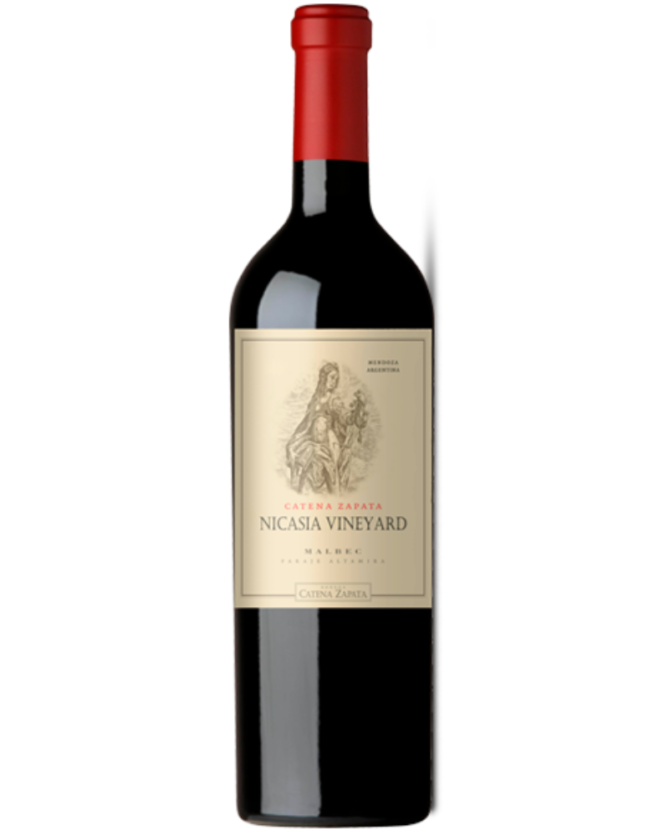
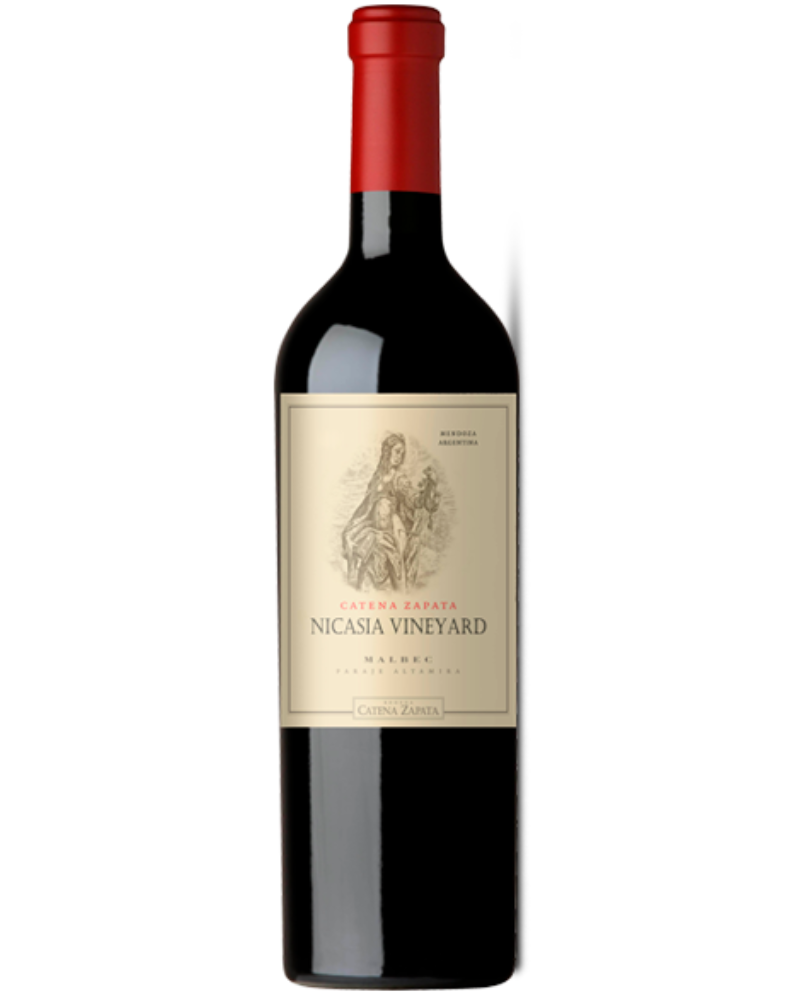
Catena Zapata Nicasia Malbec

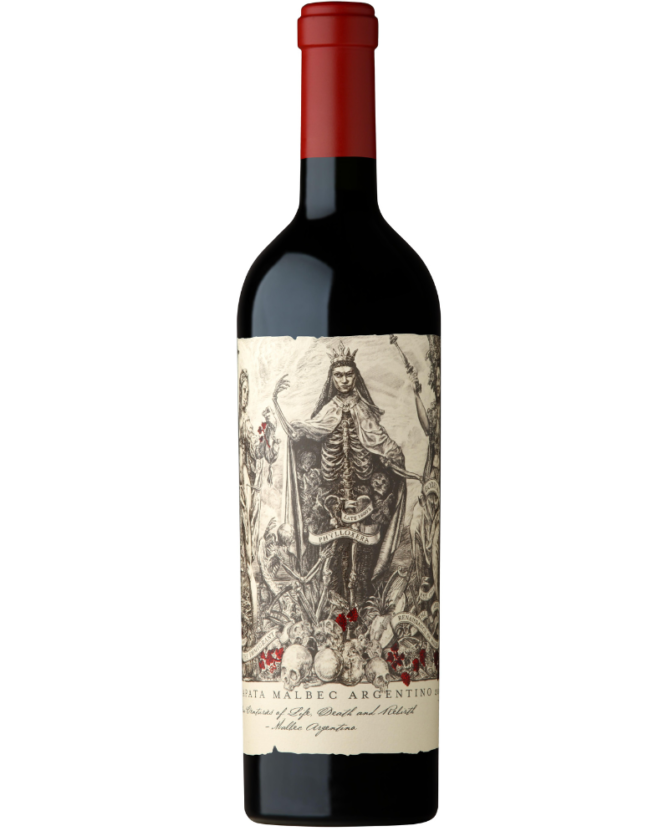
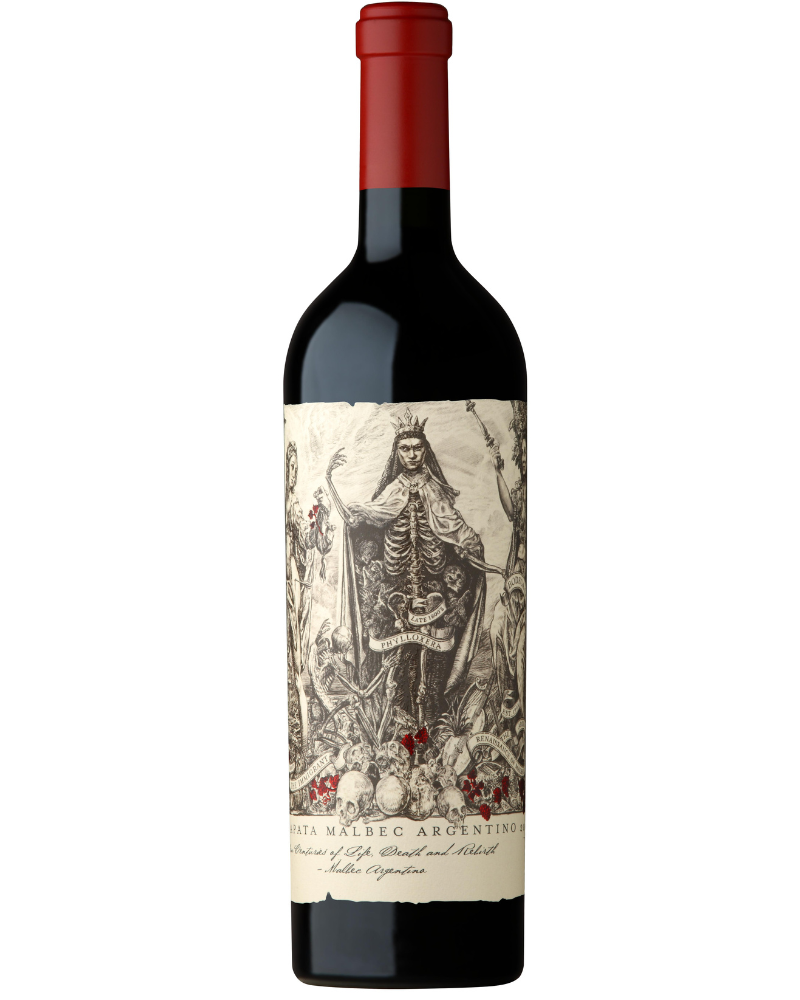
Catena Zapata Argentino Malbec

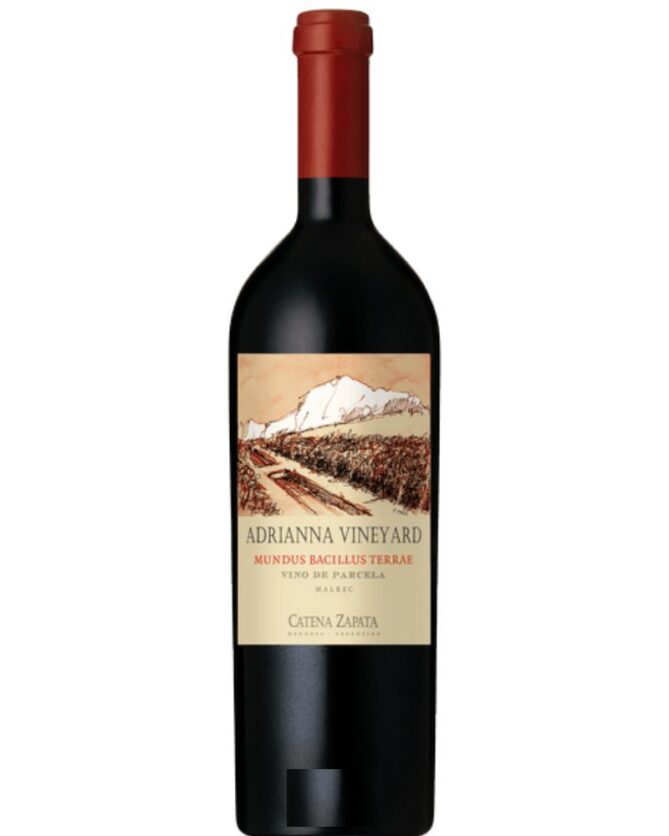
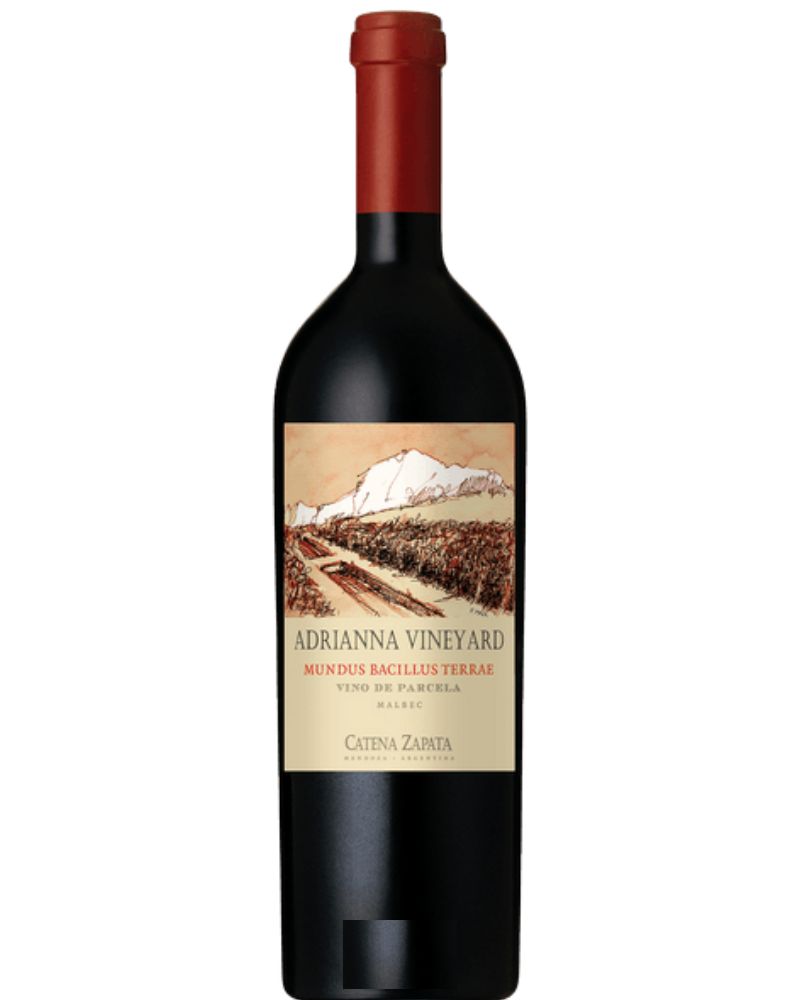
Catena Zapata Mundus Bacillus Terrae

But also, from Alberto Antonini (Fresobaldi, Antinori, Mondavi and Au bon climat) and Antonio Morescalchi

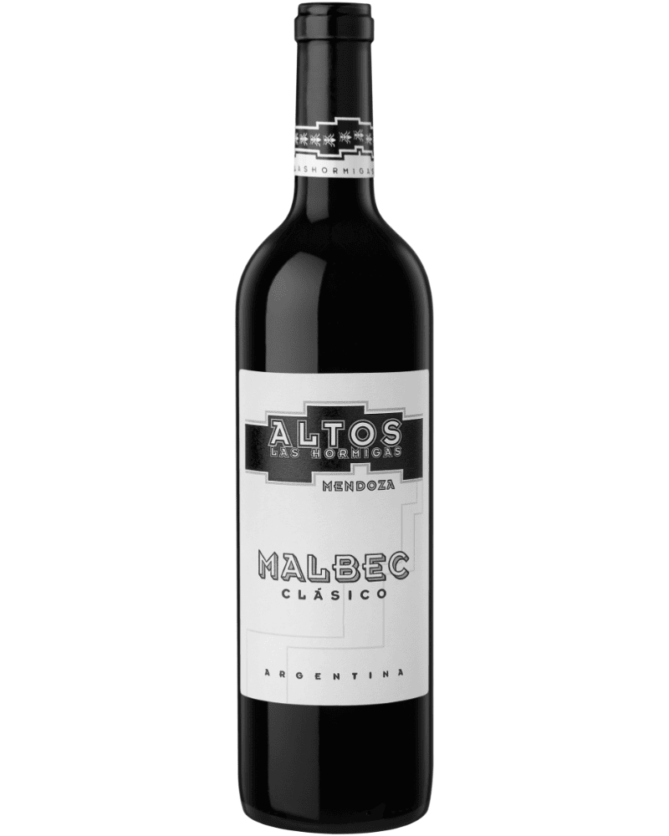
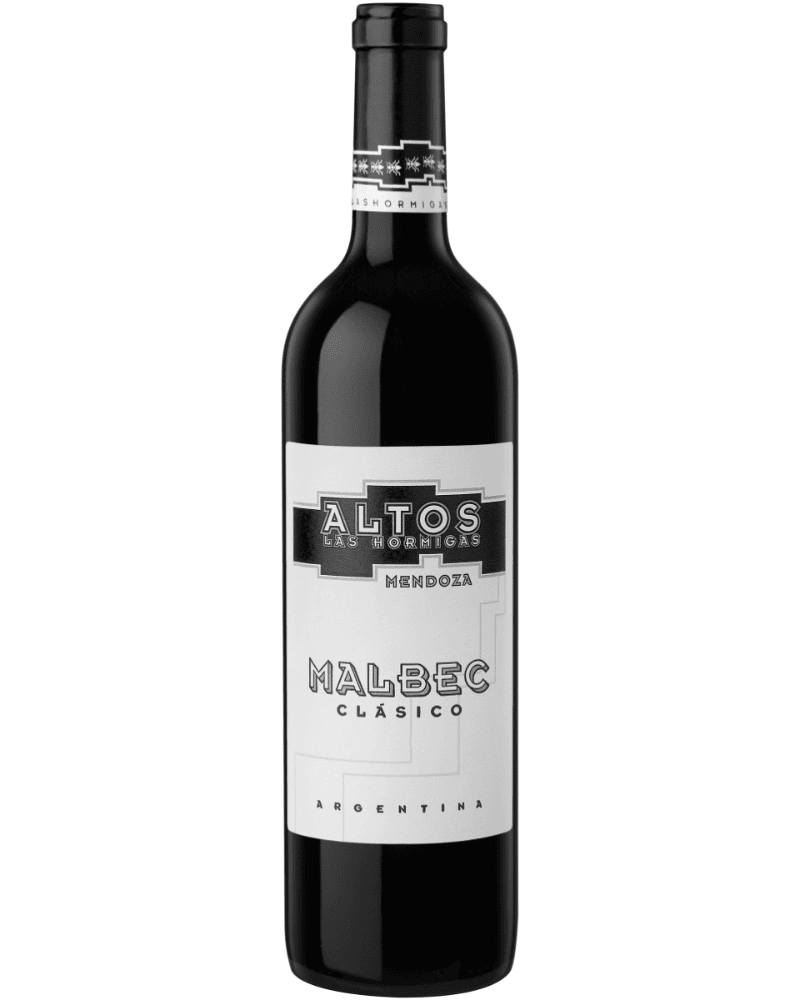
Altos Las Hormigas Malbec Clasico malbec

Altos Las Hormigas Malbec Altamira Malbec

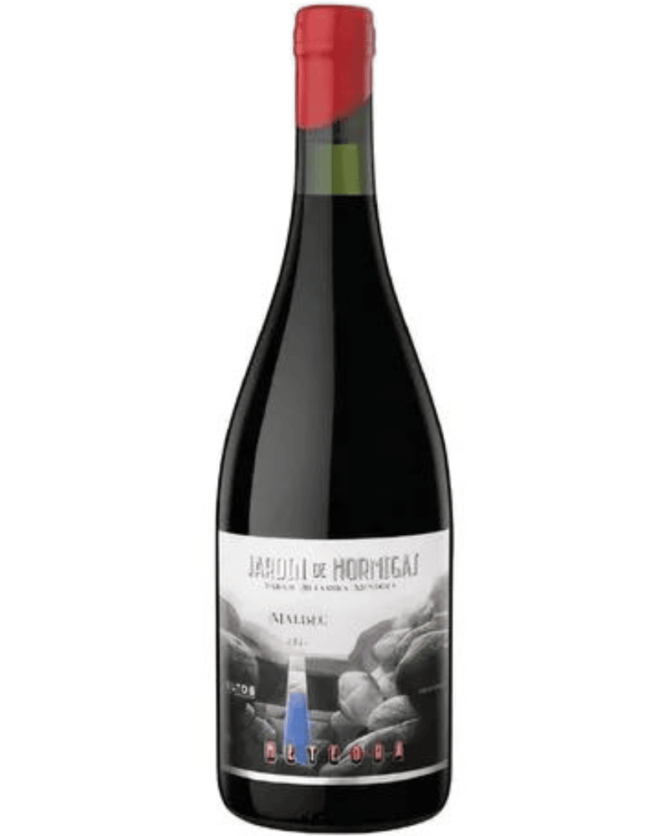
Jardin Las Hormigas Meteora Malbec


https://www.winesofargentina.org/es


The Quick wine Report

The Quick Wine report


First of all, we wish you all the best for this coming year, or vintage😊


Last year has been fairly positive one at Classic Vins, we have introduced new wines such as Dominio del Aguila (Ribera del Duero), Domaine les Bruyères (Crozes-Hermitage), Bodegas Gutierrez de la Vega (Alicante – Sweet wines), Domaine Laffite from Gascony, Muscadet Dame de Onze heure (Loire)….. And we are totally convinced about their future success in Andorra!
 

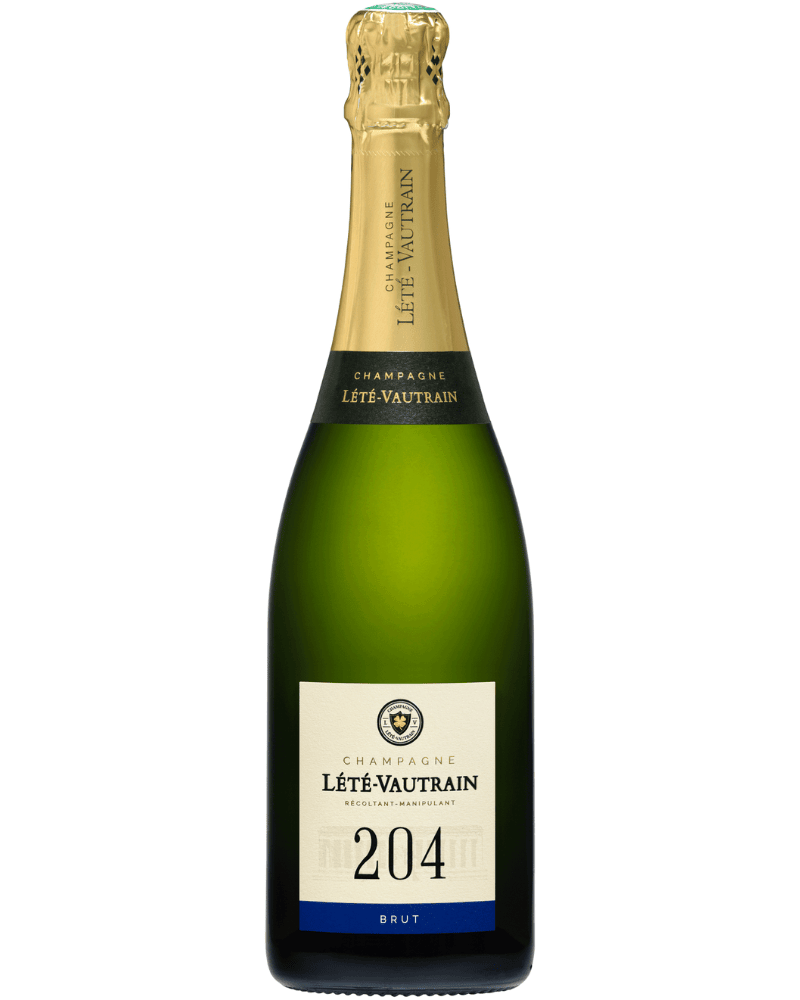
One of the most striking issue of our industry is Champagne’s price tag! The increased cost has significantly affected sales. Well-known brands are now fetching crazy prices from 37 euros up to 80 euros for some. It is an opportunity for Spanish sparkling wine producers, but also for lesser-known producers. Since 2020 Champagne Lété-Vautrain has joined our portfolio and it offers a brilliant, fresh, yet not acidic or aggressive champagne for less than 30.00 Euros. For those who love their Blanc de Blancs, Henriot has done a real effort. It exhibits concentration and elegance for half the price of what most brands are asking nowadays.


Alcohol-free wine!

A segment that is gaining ground at an incredible speed! Although it can’t be denied most products rather dull until recently. Last year, we introduced Disfrutando. A non-alcoholic white wine elaborated from Verdejo (Rueda, Spain 7.50 euros). Fresh, pleasant and aromatic. Off-fry with mouthwatering finish. Soon, we will be stocking the sparkling rendition. It should arrive in February!!!


Ribeaulais del Duero!

Ribeaulais is obviously a mash-up of 2 famous wine regions (Ribera del Duero and Beaujolais)…

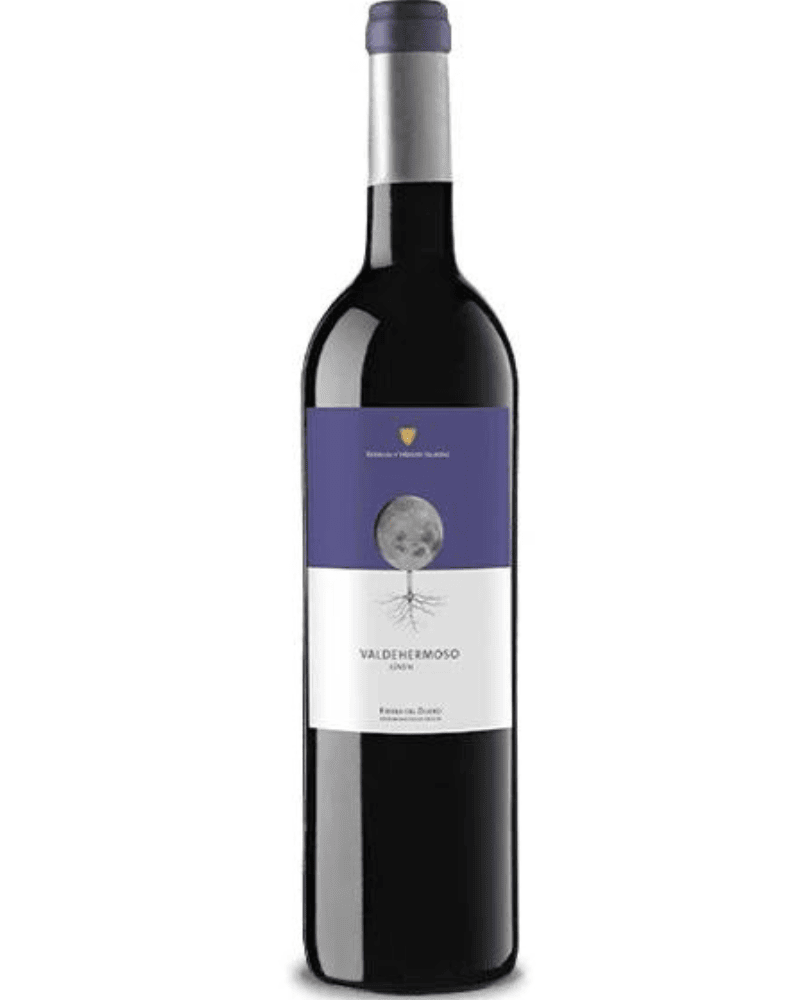
Juan and Ricardo from Bodegas Valderiz have been working on their entry level wine for quite some time, and apparently, they found the way to produce this unexpensive, light but packed with fruit wine. It tastes like a text-book carbonic maceration wine (a common wine making technique in Beaujolais, hence the name)  :

  • Dark coloured, but supple
  • Packed with juvenile fruit complexity
  • Highly enjoyable, and totally affordable


For less than 7 euros, you found the perfect pour for your BBQ’s and pizza nights. Valdehermoso Joven 2023.


Dominio del Aguila

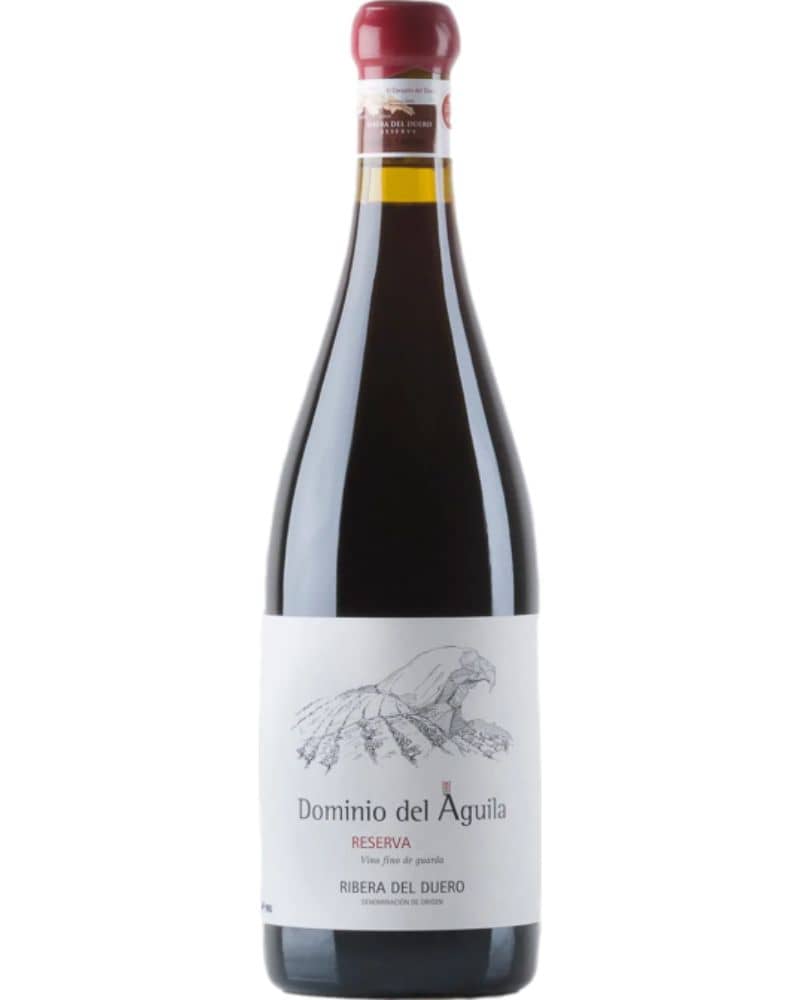
Back in November, we received the most unexpected phone call. Dominio del Aguila, the up-and-coming estate from Ribera del Duero called us to represent their wines in Andorra. A real blast for us! Although they released their first wine in 2010, this young estate is now one of Spain’s finest. They don’t produce much but focus on old vineyards and long oak treatment.

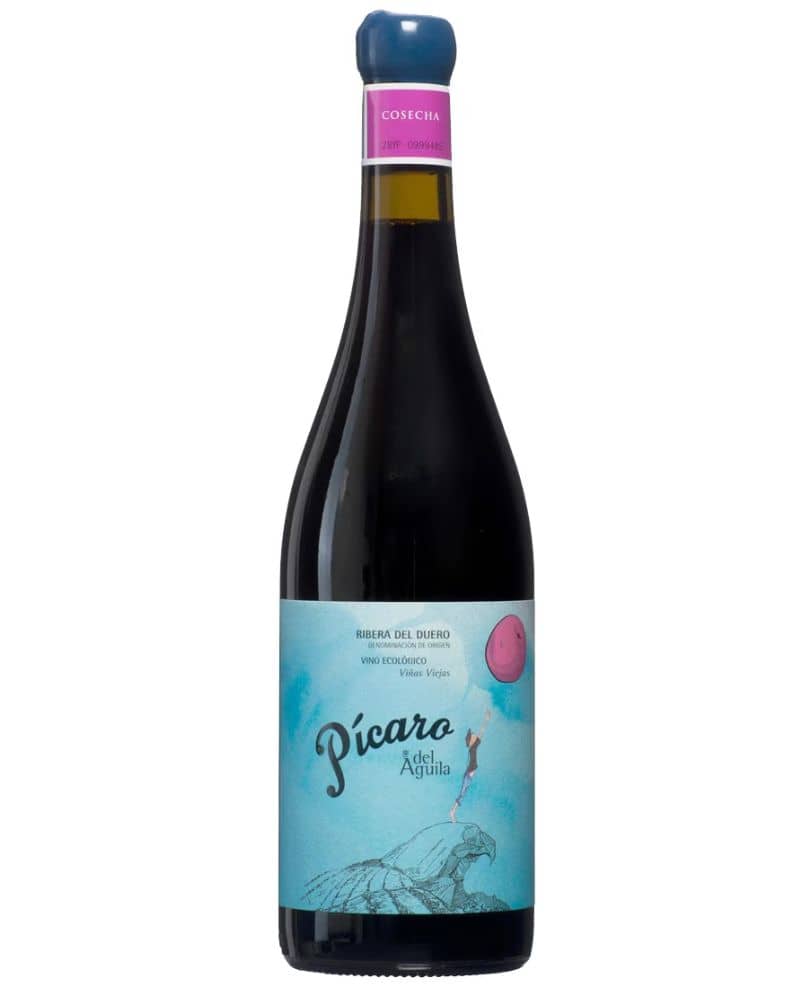
El Picaro, their entry level wine, is offering a new definition of ribera del Duero. Most vines are 80 years old, and it is aged 16 months in oak. The tannins’ quality is mind blowing. Dark coloured, Sour cherry, cream and vanilla on the nose and a beautiful mouthfeel. Supple like silk. Lingering finish. 31.25 Euros


Poor’s man Chablis

Quite an adventure to find a decent Chablis for less than 30 euros. Well, if you like light, crisp and refreshing white wine we have what you need.

Close to the Loire River estuary, the highly dynamic wine region of muscadet offers some tremendous light-bodied dry white. Let’s make thing clear, muscadet is not related to the Muscat grape! Many clients believe that we are trying to recommend a sweet wine, it is not the case. Actually, Muscadet is produced from a grape variety called : Melon de Bourgogne. Usually, the wines are aged on the lees to gain extra-complexity and a bit of texture. Domaine des onze Heures elaborates a Chablis-like white wine for less than 12.00 Euros. (12%)

Burgundy 2022

The demand for red burgundy is sky-high! Our best-seller, Faiveley Pinot noir 2022 will be available early march. But we will also receive an allocation of other wines : Nuits-Saint-Georges, Pommard, Chambolle… Contact us, if you are interested.

But do not despair, Jean-Paul Brun produces a great Pinot Noir from the 2022 vintage. For less than 20 euros.

If you like powerful pinot Noir from Burgundy, let’s say that you used to enjoy Clos de Lambrays, Meo-Camuzet or Domaine de la Vougeraie. Well, for more or less 40 euros you should try the Beaune Les Beaux Fougets 2020 from Maison Fatien. A pinot Noir with a strong personality, packed with dark fruits, smoky, rich. Ripe tannins, but with a certain grip. Full-bodied, savoury and long.

Dominio del Aguila

Dominio del Aguila

Our porfolio will welcome another Spanish star from Ribera del Duero! After Lopez Cristobal, Neo, Bodegas Valderiz and Pagos de Valcerracin, a new comer will be introduced in a short while : Dominio del Aguila.


After studying in Bordeaux and Dijon, Jorge Monzon started directly by accumulating experience in one of the world most prestigious and sought-after wine estate on the planet : Domaine de la Romanée-Conti! It would be like taking your first guitar lessons with Joe Bonamassa or Chet Atkins. Then, Jorge went back to Spain! But wait, Vega Sicilia received him for another 2 years. Mind blowing, it would be like touring with Mark Knopfler or Path Metheny, anyway… Not troubles here, I am not being jealous;-)) And ultimately, Jorge Monzon went to Bodega Arzuaga for 10 years. Not a bad, start!


Jorge Monzon, from Dominio del Aguila, is a discreet man and he’d rather spend time with his vines than wine fairs, but sometime one has to do some compromise. Actually, talking of vines Dominio del Aguila is composed mainly of old vines from the village of Aguilera, in Ribera del Duero.

  • 30 hectares of very old vines +/- 80 years old
  • 5 hectares of younger vines, less than 50 years old

With his wife, Isabel Rodero, they have introduced biodynamic practices into the vineyard. Wines are not fined or filtrered, and usually grapes are not destemmed. A condition that oblige them to harvest top quality clusters! Cement is the element of choice for the 1st fermentation, and wines undergoe their Malo-lactic fermentation in 225 L. oak barrels. Only their first wine, but a small part, El Picaro is aged in new oak. All the other wines are elaborated with used barrels.

Roughly, 60.000 bottles of El Picaro are produced every year. Although El Picaro is their young wine, it isstill aged 15 months in barrel. Here the vines are over 80 years old, and are composed mainly of Tempranillo, but not solely. In fact, other varities are, randomly present in the vineyars such as Albillo Mayor, Garnacha, Bobal (usually found near Valencia), Tempranillo Gris… Important factor, the vineyards are facing north looking at the Gromejon river valley.


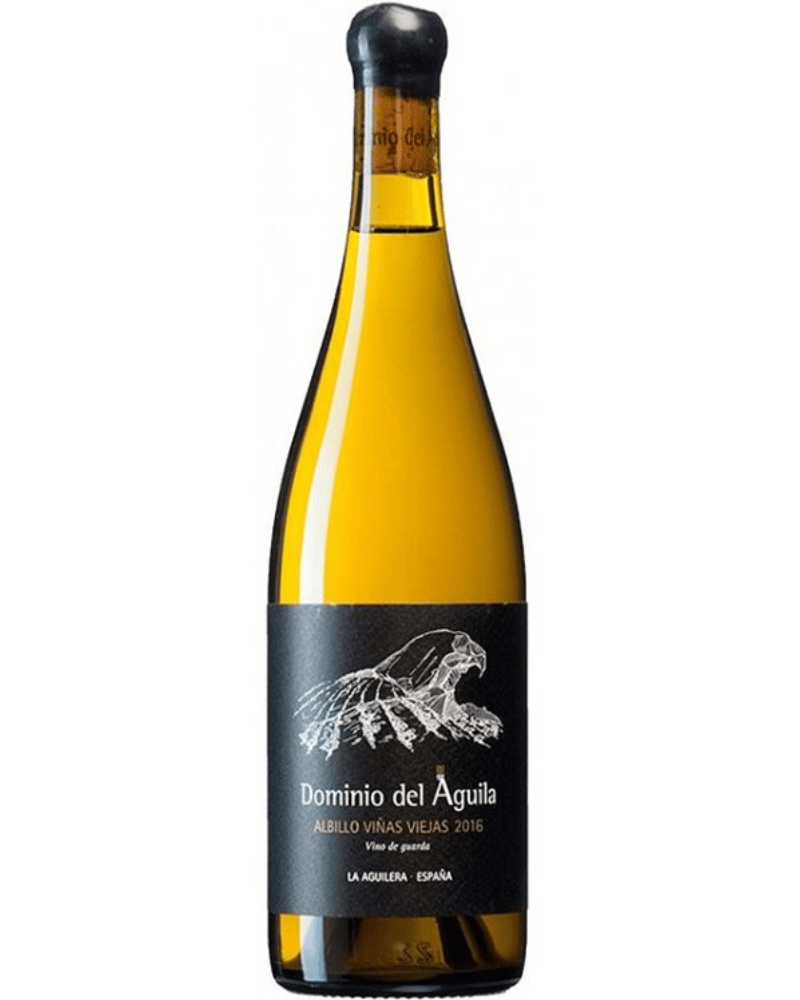
The rare white wine from Dominio del Aguila is entirely made from Albillo Mayor. Very old vines grown at 880 metres above sea level, many vines are over a century old. The reductive style is obivous on the first nose and recall a specific producer from Burgundy : Coche-Dury. One of the finest white in Ribera del Duero, and Spain it is aged up to 35 months in barrels.

Quite unusual theses days, but the estate’s flagship wine is a Reserva and using mostly old barrels. Again, the average age of the vines is around 100 years old, no destemming, no fining, no filtration and fermented in cement. Then, the wine is aged 34 months in used oak. The result is an impressive full-bodied and intense red yet slightly restraint aromatically and amazingly elegant. No previous decanting is required, just be patient and enjoy the evolution in your glass. If you are sharing a bottle with more that 2 friends, then you should go for a magnum;-))


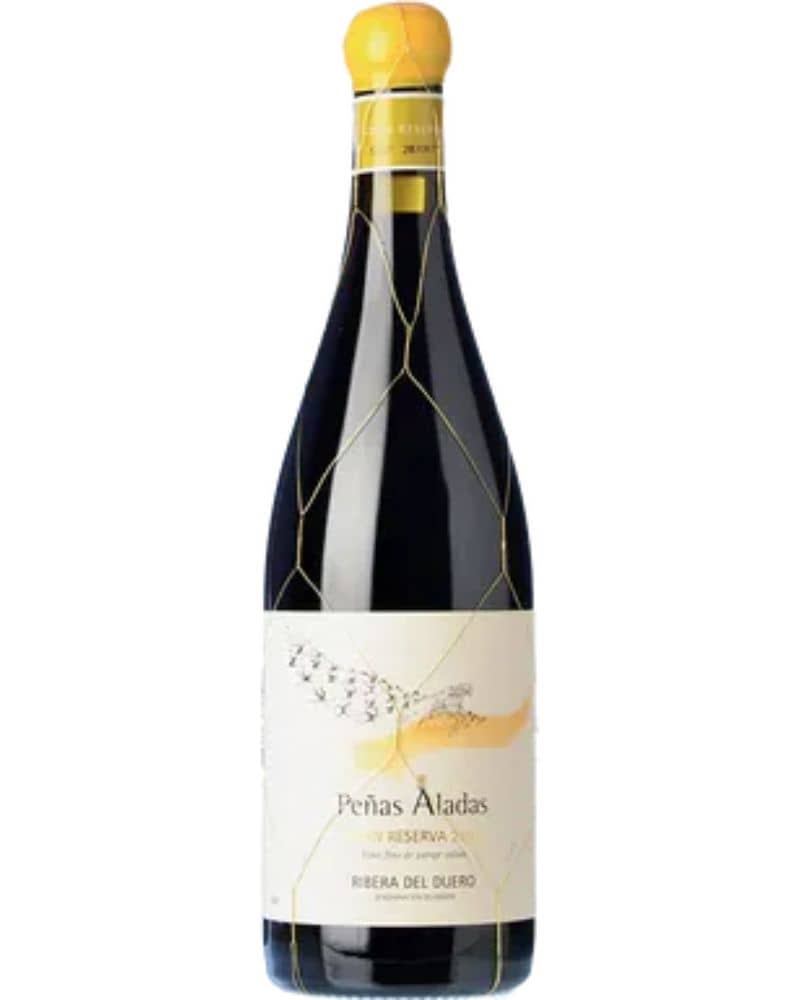
A single vineyard that is exposed to a cool breeze from the local Sierra de la Demanda : Peñas Aladas Gran Reserva. The average temperature is 3ºc lower than the rest of la Aguilera! Again the main player is Tempranillo, which happen to be co-planted with some Bruñal, Albillo Mayor, cariñena, Bobal… Here the top soil is principally sandy with some clay, the sub-soil is marl. As always, cement is prefered for the first fermentation and the wine is aged for 55 months in oak.

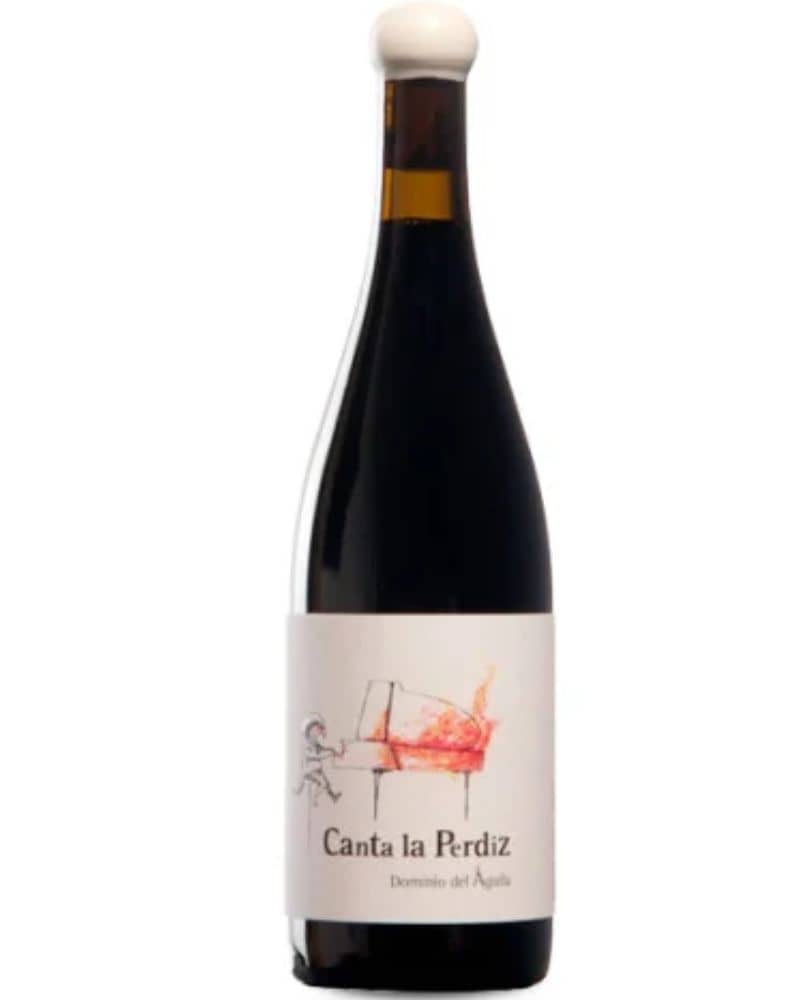
And the other top cuvée is Canta la Perdiz. According to Monzon and Rodero, Canta la Perdiz is their most elegant wine. Spontaneous fermentation in cement tanks, no fining, no filtration and aged 35 months in oak.


Well, once we receive the wine and that we will be able to taste them regularly, we will talk a lot more about them. To conclude, those are top wines from Ribera del Duero, but also a game changer. Their are not willing to express their art through over maturity, new oak or high extraction. What they aim to achieve is finesse and elegance with the best tools that Ribera del Duero can offer : respectful agriculture, old vines, sensible winemaking techniques (with intuition) and long and slow oak aging treatment.

Christmas 2023 gifts and hampers

Christmas 2023 gifts  and hampers


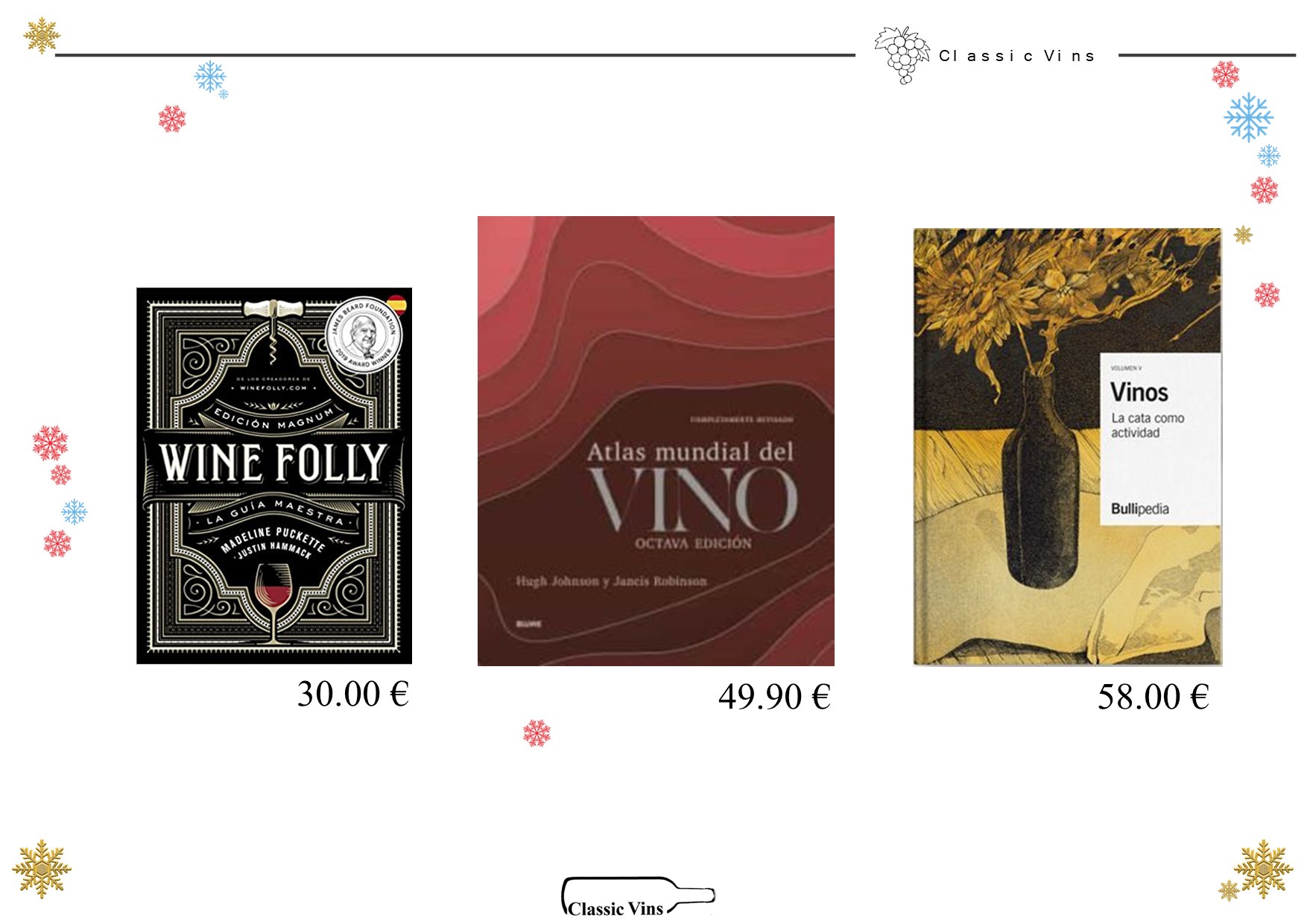
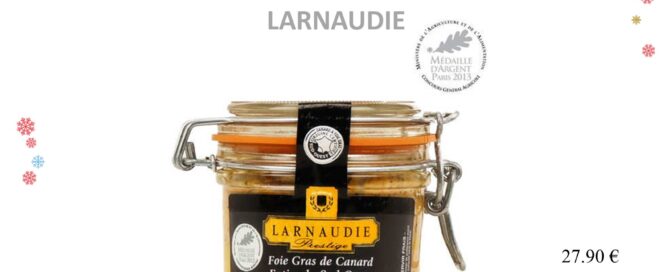
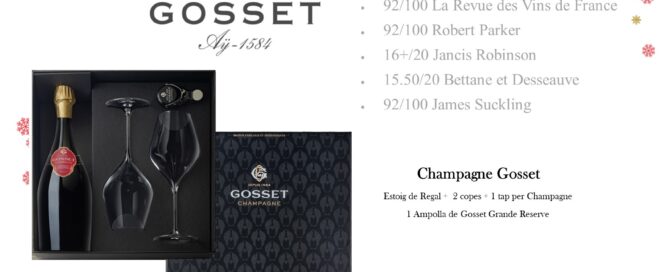
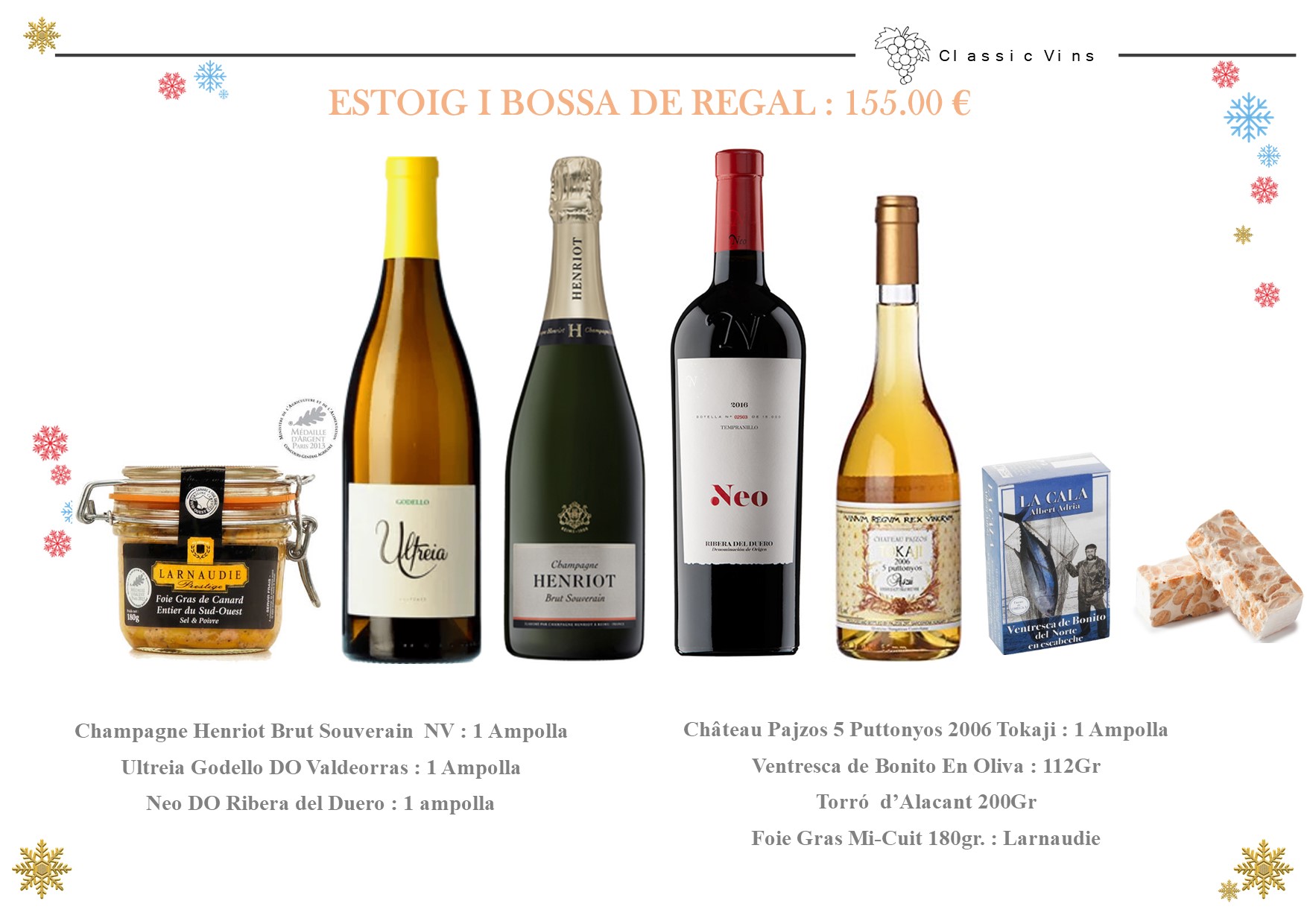
Recently, our team has been working hard on our new Christmas offer. Please have a good look! You will find plenty of different ideas to delight friends and family :

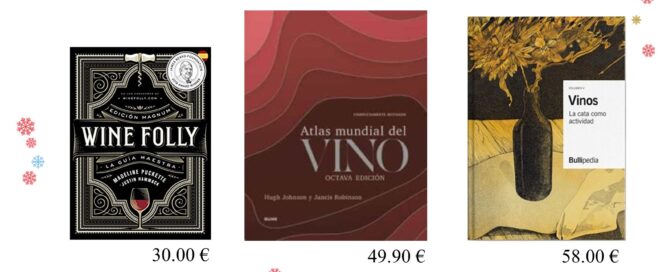
  • Wine books

  • Foie Gras

  • Nougat/Turron

  • Delicatessen products from La Cala

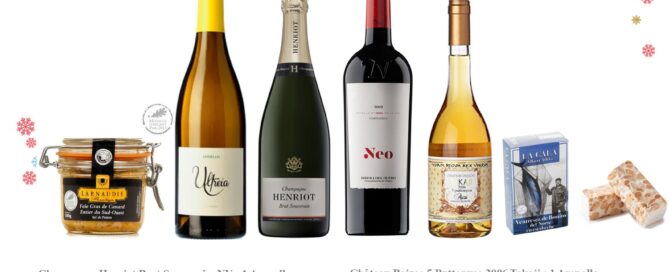
  • Champagnes and wines!!

You are more than welcome to visit us at the warehouse to browse around! But here you will see that we offer several types of hampers. Obviously, hampers are modificable.

Do not hesistate to contact us if you are interested.

Christmas is coming!


Classic Vins

You can download our entire christmas portfolio just here :

Christmas in Andorra 2023

Nadal 2023

Enjoy the grape : Tempranillo

Tempranillo


Tempranillo represents 201.235 has of planted vines in Spain, it is ranked 2nd right after Aíren (white grape variety, and mostly planted in center Spain).


On one hand tempranillo is responsible for some of the best red wines from the Iberian Peninsula.

Teso La Monja from Toro, La Nieta from la Rioja or the world famous Vega Sicilia in Ribera del Duero.

On the other hand, it also has the merit to offer some stunning value’s wines from many different regions. Great values such as Paso A Paso from La Mancha, the tremendous and supple wines from Lopez Cristobal in Ribera del Duero or the long ageing wine from Valderiz in Ribera del Duero too! Although it is clear that it thrives in the northern part of the country, avoiding the Mediterranean part and the hot southern climate.

First of all, our little introduction tells us that Tempranillo is able to achieve a fairly wide spectrum of styles :

Starting with traditional to modern, early drinking, long cellaring, light-bodied to full-bodied, heavily oaked to gently or not at all. Rosé and some white.

Speaking of unaoked tempranillo, Viñedos y Bodegas Valderiz is producing a terribly affordable wine called Valdehermoso Joven. 100% Tinta del País, but totally unoaked that has the mind-blowing ability to age beautifully for 4 to 7 years after being released.


Recently, it has been discovered that Tempranillo is the offspring of 2 local varieties :

Albillo Mayor X Benedicto


It is planted and authorized in many DOs through Spain, and carry many different names.

  • Tinto Fino
  • Tinta del País
  • Tinta de Toro
  • Cencibel
  • Ull de llebre
  • Arauxo..

But also planted in Portugal where it is called Tinta Roriz or Aragones. It is widely is in Port’s production.

In California, it is sometimes called Valdepeñas

As a cultivar, it is an early ripener, the word Tempranillo comes from Temprano, which means early. Quite valuable to know that it is sensitive to hydric stress and to odium. Furthermore, it has a fairly thick skin and quite a low acidity. Hence, most wine-makers that will pick up late, reaching physiologic maturity,  will acidify their wines.

Being a tremendous and popular varietal, many different clones are available. Bodega Roda has worked on cultivating and preserving old clones that were close to extinction, 12 clones to be exact, that are named after the estate. Now they come very advantageous as global warming require clones that are more suitable for new climate’s conditions such as drought, excess of sun, heat…

To make it simpler. it is generally accepted that there is 2 clones : The rioja one and the other from Ribera del Duero named Tinta del País.

Juan Esteban, owner of Bodegas Valderiz, once explained to me that Tinta del País is a specific biotype. A different clone that exhibits smaller berries with a thicker skin, and that the bunch only had one wing. (the Tempranillo’s clone from La Rioja has 2).

So you will understand that our Tempranillo from la Rioja has thinner skin, bigger berries and, in general, 2 wings.

In la rioja, there is also some Tempranillo Peludo. A sub-variety that was close to oblivion due do its production’s characteristics :

Low productivity, difficult to grow and sensitive to disease with a thinner skin. Great quality!

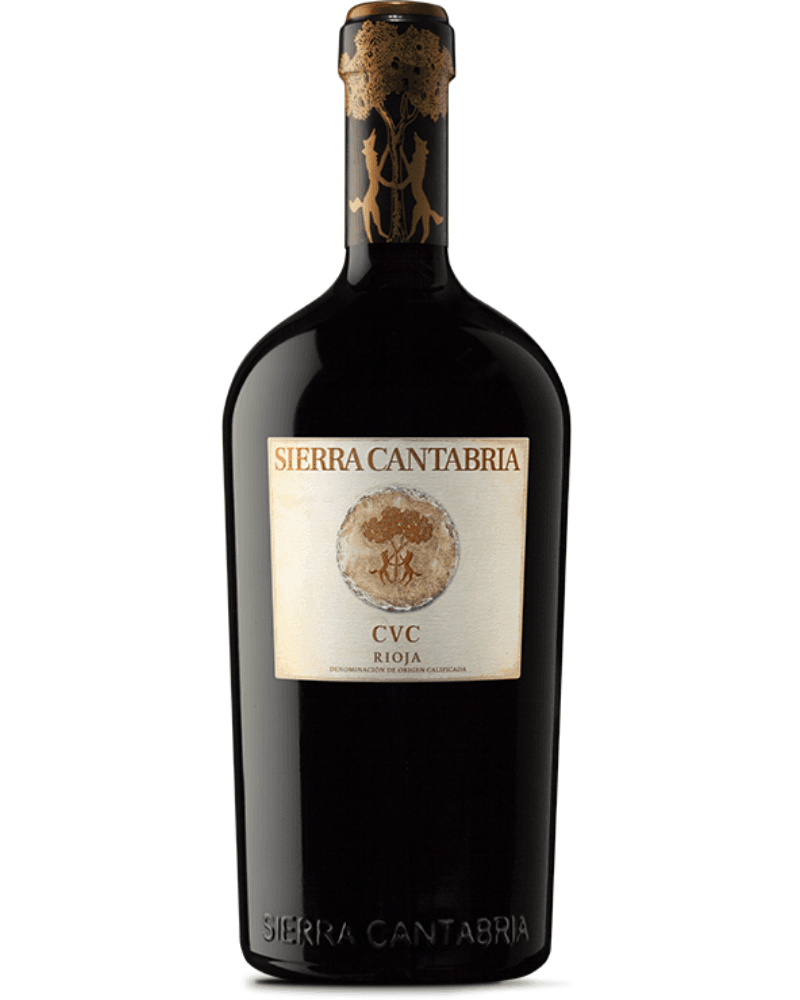
Well in 1985, Marcos Eguren’s father from Sierra Cantabria was planting at least 18 has of Tempranillo Peludo in the now highly recognized village of San Vicente de la Sonsierra. Quite a pioneer, I would say! And it became a flagship wine of the area : San Vicente.

We must not forget that Tinta de Toro also offers slightly different wines, and it is accepted b y some as different genotype. The berries tend to be smaller than Tinta del País, and also the skin are pretty thick.

Last but no the least, it exists a white mutation of Tempranillo, found in La rioja, simply called Tempranillo blanco.

Blend – Coupage – Cupage

Traditionally in la Rioja, Tempranillo was sometimes cultivated with other varieties. A old fashioned planting technique called Vidau : Where in the same vineyard you will find, randomly, Tempranillo, mazuelo, garnacha, Graciano, calagraño…Well all sort of local varietals

Although some part of la Rioja (more 62.000 has) are not particularly suited for growing Tempranillo. The “Oriental” part around the Town of Alfaro, enjoys a warmer climate and Garnacha does better, although there are exceptions.

Anyway, in the old days and still done to this day, big wineries use to source garnacha wines from the easten part of La Rioja in order to boost their tempranillo’s wines with it. In order to add more complexity and to give a rounder palate to their wines.

Ribera del Duero has other local variety, surely, the white Albillo would be the more recognized, the DO authorized Cabernet Sauvignon, Malbec and Merlot.

Aromatic profile :

As we have seen above, Tempranillo is planted in many different places and produces truly different wines. If yields are too high then it will produce a palatable wine but with no character. When decently made, it exhibits a medium to full-bodied wine with ripe strawberry fruits with soft tannins, and layers of complexity with savoryness.

Oak treatment

Sometimes I quite like to compare Tempranillo with Chardonnay, especially when it comes to oak aging. It is only fair to say that tempranillo takes oak treatment very well, whether it is French, American, Eastern Europe, new/Old or different size.

Traditionally, American oak was widely used in Spain but in the past 20 years French oak has clearly gained ground.

All the caramel, vanilla, coconut flavor that we find in Tempranillos comes from the Oak Treatment.

Aging capacity

The great thing about Tempranillo is its ability to offer wines that can age beautifully, but still are highly enjoyable in their youth.

Unoaked wines, as mentioned above, Valdehermoso Joven is a impressive wine that has not gone through oak treatment and is able to age 5/7 years. (their top wine too)

Marcos Eguren, from Sierra Cantabria, has not released any, officially, but there are some San Vicente’s bottlings that are totally unoaked. And the result is mind blowing!

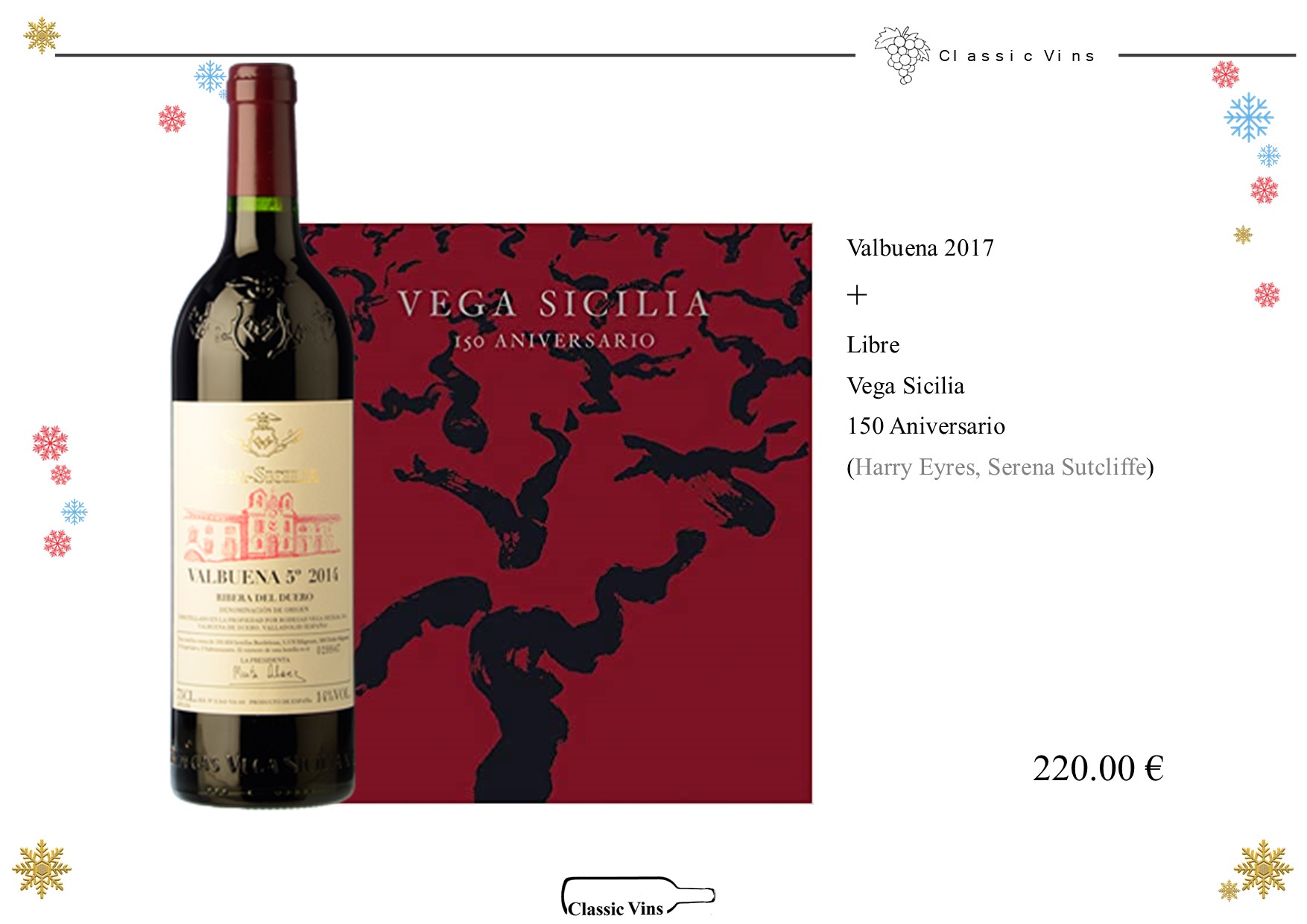
Obviously, many top wines are oak aged and show great capacity for ageing: Vega Sicilia, Valderiz, Neo, Las Cabezadas de Matadula, La Nieta, Amancio, Alabaster, Vatan Arena..

And classic wines from La Rioja from 1964 or even 1958 are still highly enjoyable, but quite impossible to find in perfect condition…

please follow the link below and find our finest selection of Tempranillo.

https://classic-vins.com/wines-choice/tempranillo/

Let’s have a glimpse of Ribera del Duero’s wines

Ribera del Duero’s wines

26.000 Ha 

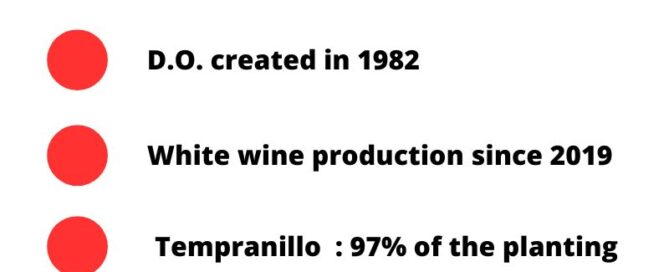
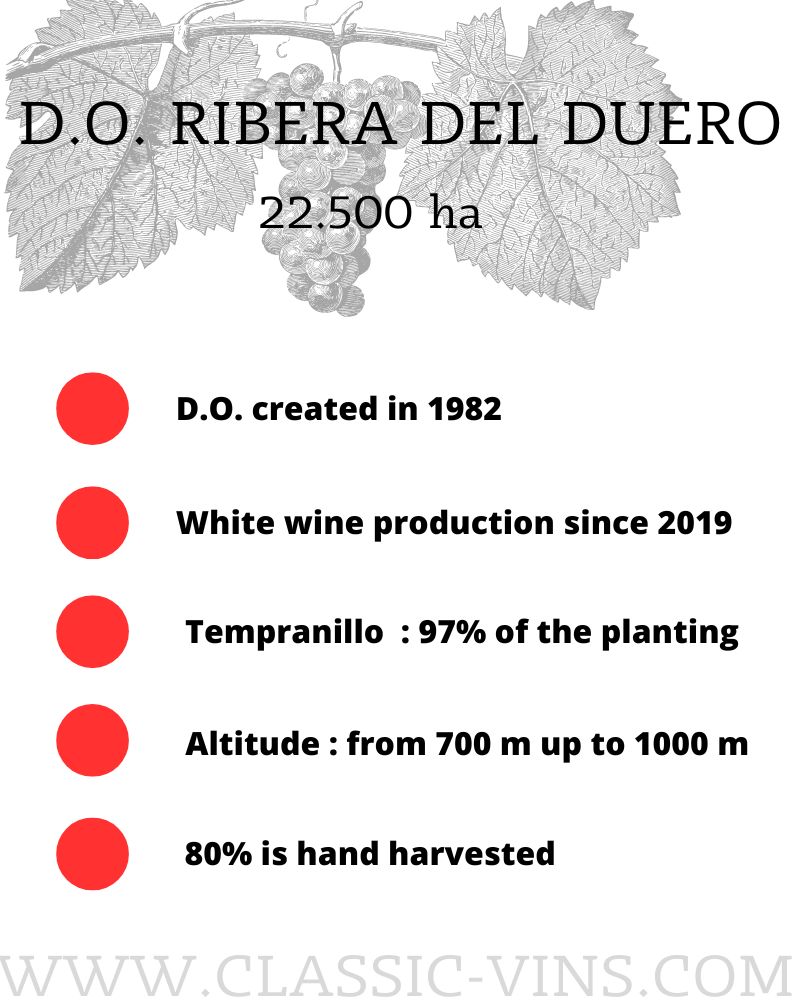
D.O. created in 1982, in 2019 white wines were included. 


Still young. 

Effectively in 1982 the region was officially granted as a D.O., and more recently in 2019 they allowed white wine production from Albillo mayor. As one of the most important rivers in Spain, the almost 900 Km long Duero River travels through many other well-known wine regions: Rueda, Toro and Port. Just the like Spain’s longest river Tajo, it crosses Portugal to finish its journey into the Atlantic Ocean. Additionally, and unfortunately for Spaniards the Duero River is not navigable. A shame, it could have helped its commerce in ancient times. 

Ribera del Duero’s climate 

  • warm continental climate 
  • Temperatures can get as low as -20 degrees Celsius up to 42 degrees Celsius 
  • Low rainfall: 400-500 mm/year 
  • Altitude: 700m to 1100m above sea level 
  • Important diurnal temperature variation 

Ribera del Duero’s soil types 

Many soil types can be found, most commonly 

  • Limestone 
  • Clay 
  • Silt 
  • Sand 
  • Gravel 

The late Javier Zaccagnini once described the soils to us. Apparently, the layer of clay that cover the limestone in the western part is thinner than in the middle part of Ribera del Duero. As well, the far eastern part of Ribera del Duero is higher in altitude reaching 900/1000 m above sea level, but also sand is a significant part of the soil make up, thus most vines are ungrafted as the Phylloxera has not been able to penetrate that area! Furthermore, many vineyards are covered with gravels, especially those ones located near the river. Unfortunately, it is hardly possible to simplify the great diversity of soils found in Ribera del Duero. 

Ribera del Duero’s Grape varieties 


Unsurprisingly Tinta del País is the main variety and Galo from Lopez Cristobal estate told us that all red wine must contain at least 75% of it. In other words you will never find 100% cabernet Sauvignon with Ribera del Duero’s name on it. Of the 26.500 hectares of vines, Tempranillo (Tinta del Pais, same variety different name) is the most planted one covering 97% of the vineyards!

As it happens with other varieties although their DNA is identic, some small but important nuances will help you to understand the differences. Juan, co-owner of Bodegas Valderiz, loves to insist that Tinta del pais and Tempranillo (from la Rioja) are just not similar. First the berry in Ribera del Duero is usually smaller, with less juice. Second the skin is thicker (potentially more colour) and last valuable point clusters are totally different. While clusters in la Rioja  exhibit a central part with two arms, in Ribera del Duero Tinta del Pais has just one arm. 

Moreover, Cabernet Sauvignon, Merlot and Malbec are authorised. They were introduced by the great Eloy Lecanda (Vega Sicilia) in the 1850’s. Some Garnacha vines are also planted. 

When it comes to white wine, Albillo Mayor is the new rising star! An extremely confidential production. Lopez Cristobal albillo Mayor is a fantastic introduction to this obscure and unknown variety. A seductive unctuous white, dry, burgundy-like that is aged 3 months in French oak from 50 years vines planted at 770 m. If you like lee-aged or gently oaked chardonnay or Godello, you should have a go. 

Old Vines 

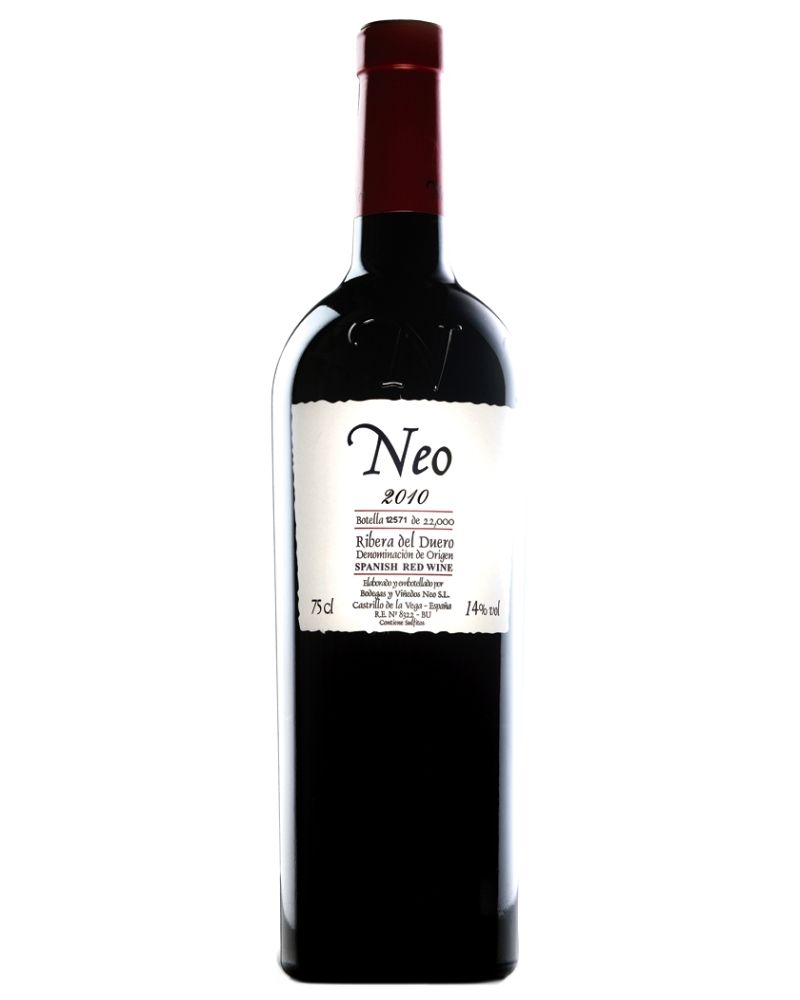
Almost 9% of the all the wines in Ribera del Duero are over 80 years old! Neo is produced from at least 50 old vines Tempranillo and aged 30 months in French oak. Resulting in a tremendous rich, bold style, so common in Ribera del Duero.

Ribera del Duero are Consumed too young 


On one hand debunking new wines in Ribera del Duero is always possible, as the region is highly dynamic and relatively young. On the other hand, prices are skyrocketing. 

In 30 years, the way we consume wine has dramatically changed, producers had to adapt their winemaking skills. New oak, either French or American, is the tendency although more and more winemakers are trying to diminish its impact on the finished wine. Generally speaking, the wines are exceptionally approachable in their youth, but they deserve cellar aging to show their best. Regrettably, the market unquenchable thirst for Ribera del Duero doesn’t allow it. Finally, here a few wines that you should tried after a few years in you cellar: 


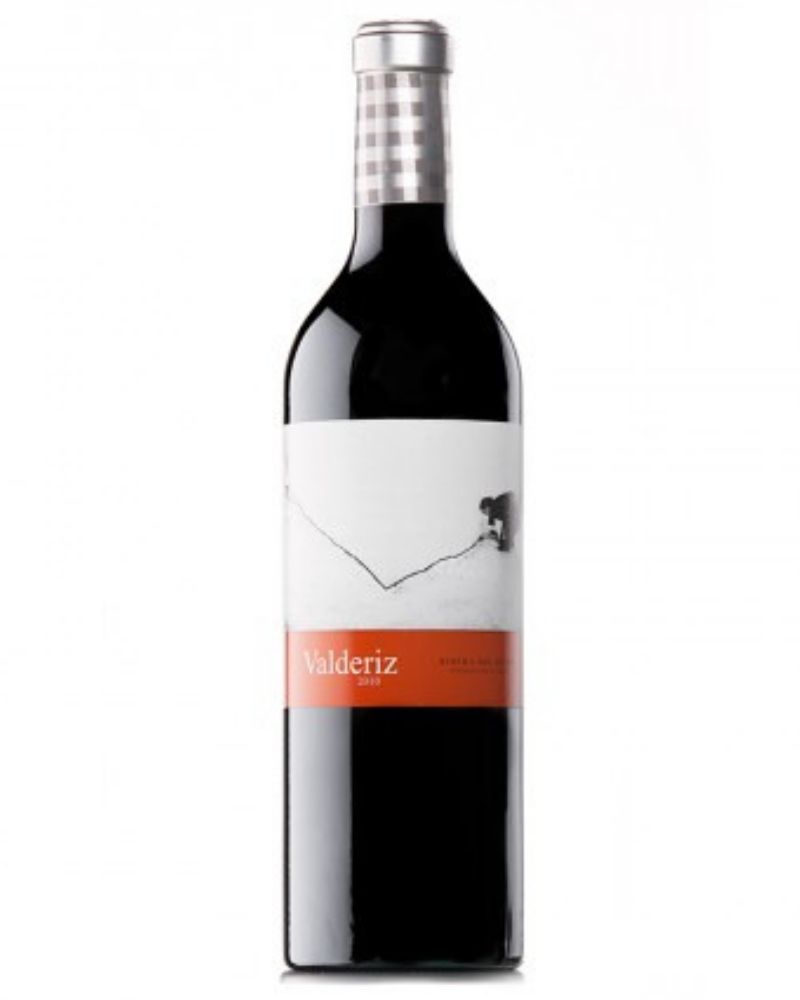
  • Valderiz : Their flagship wine is still offering stunning value. Roughly for 20.00 euros, you will get the best that Ribera del Duero can offer! Rich, smooth and velvety. After 5/8 years it will mature as does fine wines and exhibit more complexity that you could ever imagine. Not to forget their entry level, Valdehermoso Joven 100% Tinta del Pais from their own estate. No oak treatment. keep it for 3/5 years and you will be impressed. For 6.00 Euros/bottle it is worth the experience. 
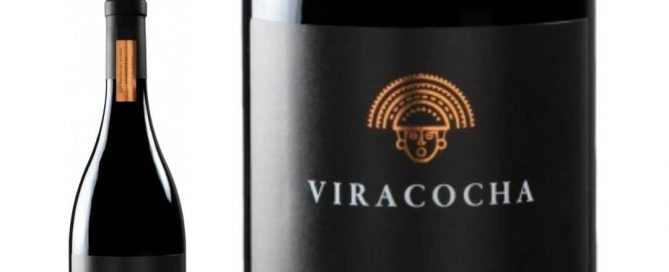
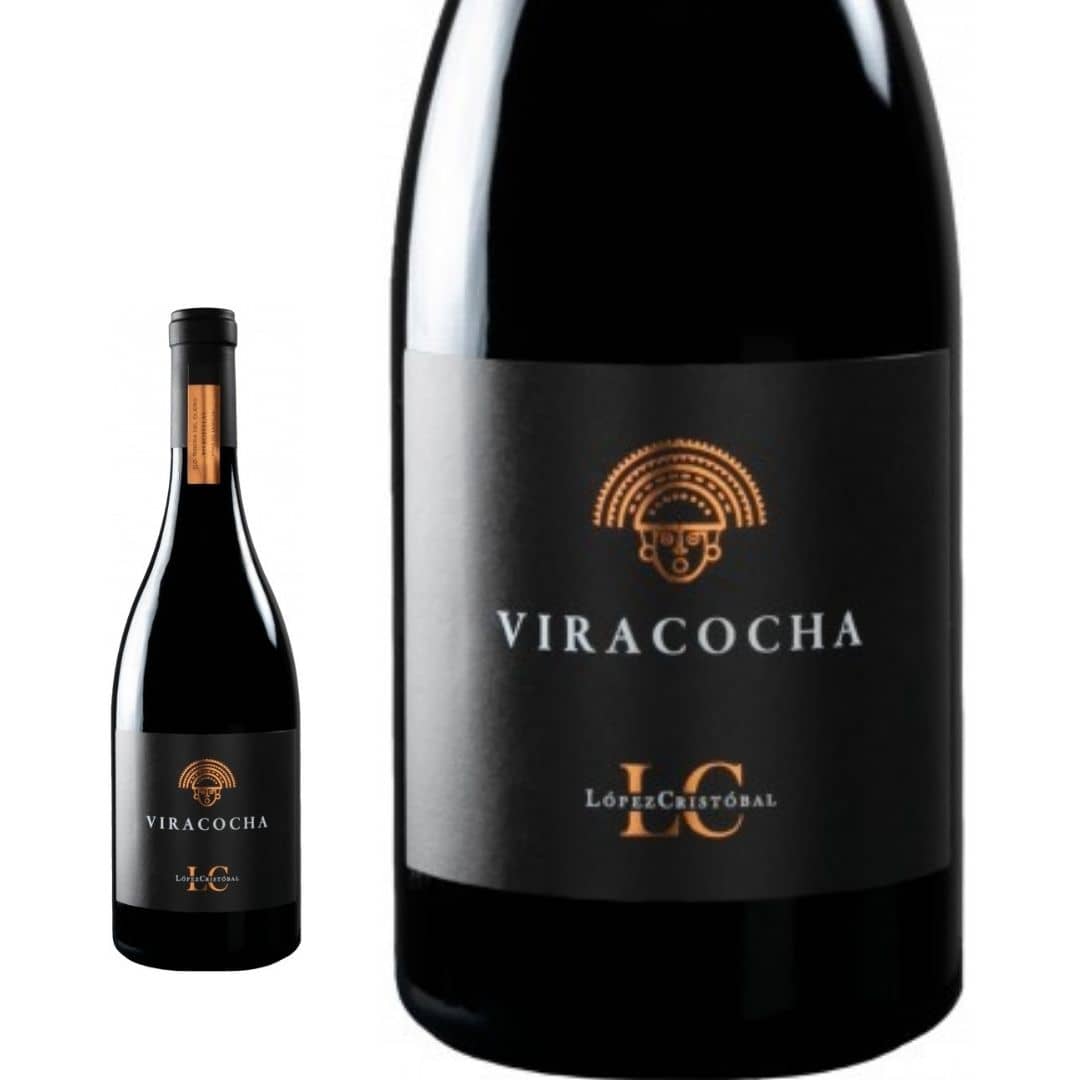
  •  Viracocha : Lopez Cristobal top wine is also one of those wine that requires 5/8 years cellaring. Mind you, it is already very nice. 500 liters barrels are used to minimise the oak treatment. This very specific parcel is from Pedrosa del Duero, old vines at 840 meters above sea level. 127.50 Euros 


viracocha


More information, if you are interested to find out more on this subject you can visit the following link :

https://www.riberadelduero.es/la-do-ribera-del-duero

https://www.foodswinesfromspain.com/


Our selection from Ribera del Duero


Spanish DO’s

Spanish D.O.s


Have ever asked yourself, how many wine regions can we find in Spain? Interesting topic, well this quick post will enlight your doubts.

Officially Spanish D.Os have been created in 1932 to protect their names, notoriety, wines and commerce. With the exception of  La Rioja, that had is Consejo Regulador created in 1925.

So far, Spain has 101 DOPs

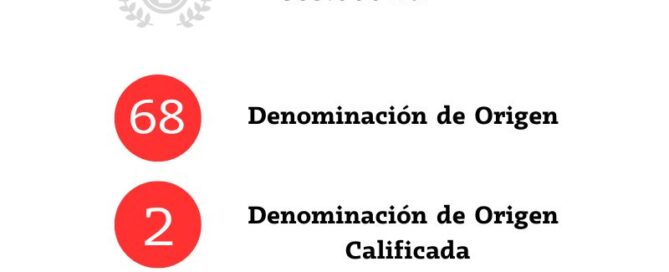
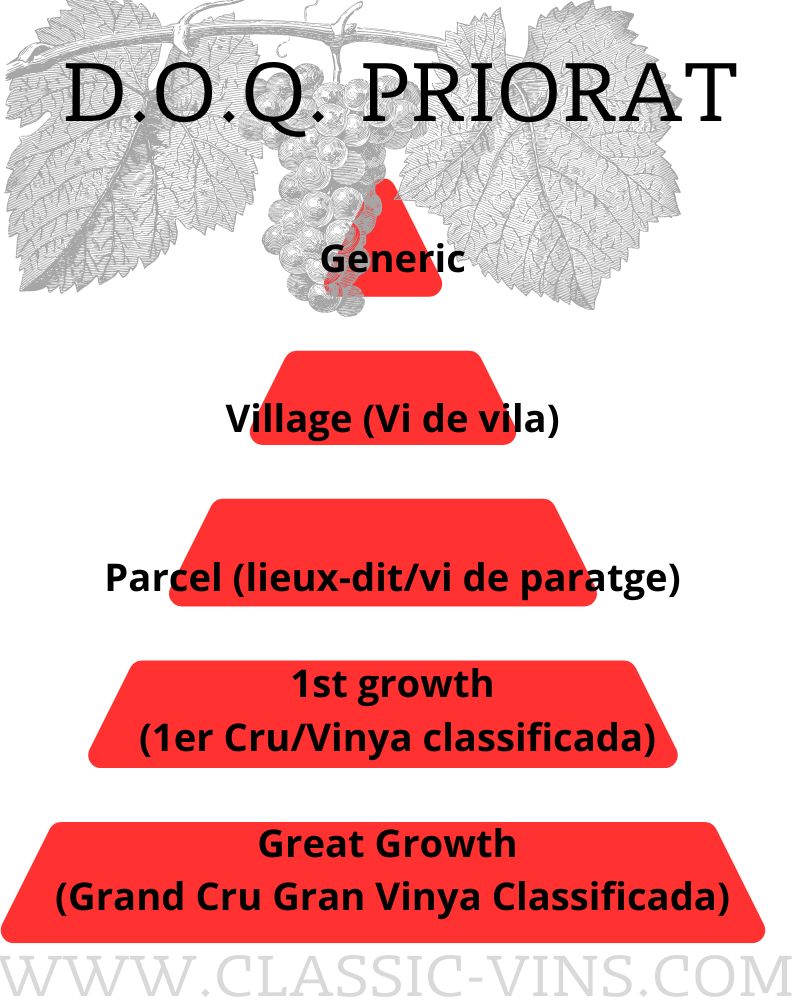
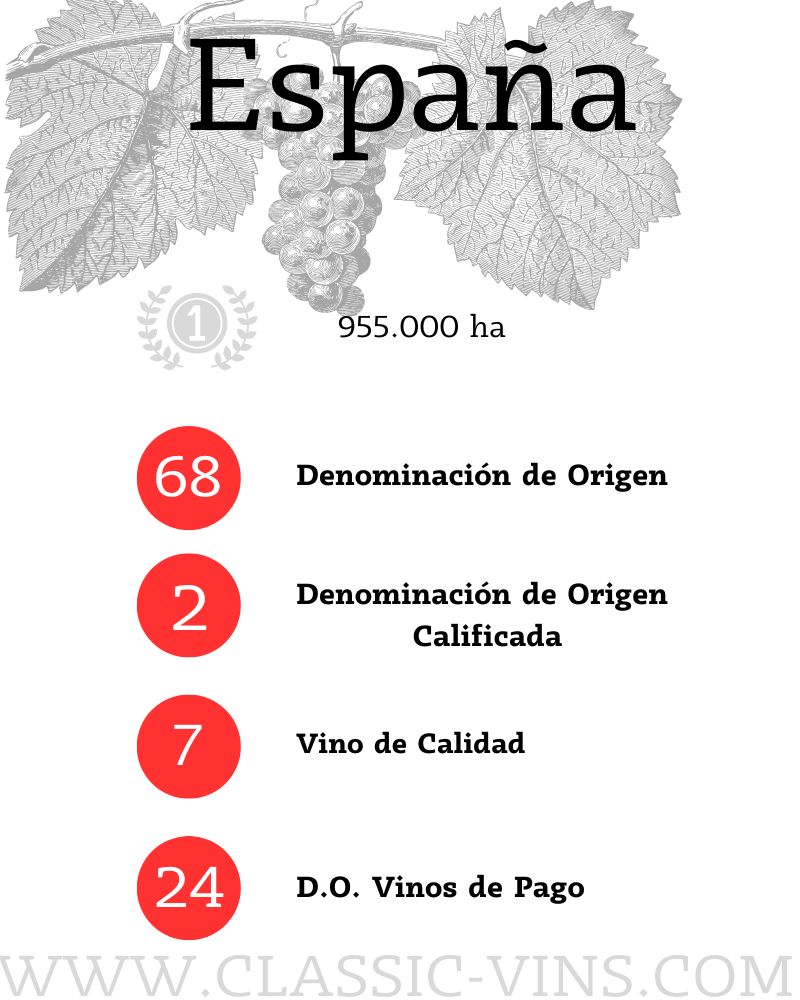
Look at the picture n1, which esplain briefly how it is organized

2 D.O.C.A (Rioja was promoted in 1991, and Priorat in 2000

68 D.O. (La Mancha, Bierzo, Rias Baixas, Manchuela, Ribera del Duero, Granada…)

24 D.O. Vinos de Pago

7 V.C (Cangas, Cebreros…)


68 D.O.s and 2 d.o.c.a


Besides the fact that Spain has a much lower amount of D.O.s than other main players in the industry, especially in Europe. There is no doubt that situation will change over the coming years. Effectively many DOs are huge, DO Castilla-La-Mancha covers 151.000 Ha of vines! Thought to be the largest in the world. Others such as Catalunya with 46.500Ha, Rioja goes up to 66.000ha, Ribera del Duero, Penedes or Jumilla are roughly the same with 22.500Ha each. Such great extension of land cannot offer homogeneity of climate (sunlight, Rain and Temperature), aspect, altitude, or soil. Hence, the necessity to divide such broad wine regions into official sub-regions.

Priorat and Bierzo

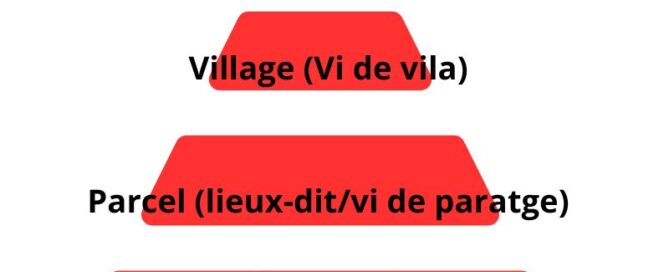
In that sense 2 D.O.s have taken subject even more seriously. Yes, I am talking about Bierzo and Priorat.  Priorat, which represent 2000ha vines, has a 5 steps Burgundy-inspired classification.

Generic

Village (Vi de vila)

Parcel (lieux-dit/vi de paratge)

1st growth (1er Cru/Vinya classificada)

Great Growth (grand Cru. Gran Vinya Classificada)

On the top of it Priorat has regulated the «old vines» mention. Vines must be at least 75 years old!

Bierzo is installing a similar classification where Villages and parcels’ names are appearing on the labels. Villages such as Valtuille, Corullon O Las Medulas are clearly promoted on labels as are some parcels with Rapolao being shared by different winemakers.

It provides precise information to wine lovers which can determinate their preferences. Also, it brings more depth and complexity to a specific wine region. It underlines all the nuances available within a geographically demarcated area.

Specific wines

Furthermore, several DO’s produce peculiar wines, usually traditional and confidential, that cannot be produced in other D.Os or at least it is forbidden to use their name outside their respective D.O.

Dorado/palido from Rueda

Malvasia de Sitges from Penedes

Fondillon from Alicante

Tostado from Ribeiro

Garnacha d’Emporda from Emporda

Every single one of them belongs to their respective D.O.s as Manzanilla de Sanlucar de Barrameda once belonged to Jerez… So I guess there is room for more D.O.s

D.O. Cava

Utterly different, Cava is one D.O. that contrasts from the majority, not because it exclusively elaborates sparkling wine, but for the fact that is a multiregional D.O. A particularity that allows producers to craft and use the word Cava in La Rioja, Aragon, Valencia, Catalunya and Extremadura. An uncomfortable situation that forced some top producers to leave the traditional D.O. for Classic Penedes or Corpinnat. The great majority of Cavas are traditionally produced within the Pendes’area.


24 DO Vinos de Pagos


This category is kind of unique as it is exclusive to one producer. The first one was Finca Elez, and now it includes great names such estates as Abadia Retuerta or Dominio de Valdepusa. Anyway the concentration of D.O.s vino de Pago is exceptionally high in Castilla-La-Mancha.

Generally speaking the quality of the wines are impressive. But as Pedro Ballesteros MW (Master Of Wine) describe them in his brilliant book, they are closer in style to some Australian or Californian wines than Spanish wines. I could not agree more! They tend to focus on international varieties.

The trouble being that the spanish word «pago» in the industry is not exclusive to this category. So, it can appears on labels as some estate are called Pagos de Carraovejas or Pagos de Valcerracin, which in that case both belong to the DO Ribera del Duero. Additionally, a producers’ association also include that word. «Grandes Pagos de España»

7 VC (Vinos de Calidad)

This category are basically future canditate for D.O. 2 of them are already enjoying good exposure, Cangas in Asturias and Cebreros which is now a serious winemaking wine region in the of Sierra de Gredos in Avila.


To conclude, it makes no doubt that Spain’s wine industry will develop even more layers of details within each D.O. Many vineyards and indigenous grape varieties are still waiting their moment. A hand-gifted individual that will mark the difference! It is always a thrill to discover new wines crafted by characters such as Marcos Eguren, Raul Perez, Rafael Palacios, or Javier Pejenaute amongst others!


Spanish wine production and consumption

Spanish wine production


Last month I was reading the OIV 2022’s report, and some numbers truly blew me away! Click on the following link, to acquire the full report.

https://www.oiv.int/sites/default/files/documents/OIV_State_of_the_world_Vine_and_Wine_sector_in_2022_2.pdf

As we regularly organise tastings or courses it is mandatory to refresh and up-date knowledge and some files. As we are in Andorra, Spanish wines dominate our portfolio. Hence, I felt that I had to focus on Spain for a little while.


Largest vineyard in the world

As most of you already know, Spain is the largest vineyard in the world with 955.000 ha in 2022. France comes second, and Italy fourth. The third place belongs to China with an impressive number: 779.000ha. Although only 10% of it is dedicated to wine production.

Keep in mind that vine density is significantly lower than in France. The minimum in La Rioja is 2850 vines per hectare. (4000 vines per hectare is the maximum authorised). In Bordeaux it can be up to 10.000 vines per hectare! Recently Champagne has lowered its minimum to 6000 ha, before that it was 8000 ha. Due to global warming, many top Spaniards winemakers reckon they will have to reduce their planting density too. (As well as planting better suited clones, rootstocks, and training systems). Surely one of the least densely planted vineyard in Spain could be Lanzarote with something close to 625 vines per hectare. Old vines are another important feature in Spain, effectively Spain has surely one the highest concentration of old vines.

Wine Production in volume

The Iberian peninsula takes the third place with 35.7mhl with the 2022 vintage. A particularly dry vintage and hot year. 2018 is generally rated as “classic Vintage” when it comes to quality and volume, with 44.9mhl!!! The OIV’s report is clearly showing how Spain is suffering from global warming and its disastrous effects. How weather patterns have dramatically changed over the years, and each vintage is a new challenge. Judge by yourself

Those who have been implicated with Spanish wines, can recall the following events:

2017

Severe Spring frost.

2020

40.9mhl (Pandemic vintage) many Spanish vineyards were struck by Mildew and Oidium, caused by a heavy rains during spring and followed by a hot summer. Rafael Palacios’O’Soro 2020 received 100 Points R. Parker

Catalunya was probably the most severed affected wine region. As many others Francesc Ferre, co-owner of Celler Frisach in Terra Alta lost more than 60% of its harvest.

2021

Cryptogamic issues in many part of the country.

35.5mhl

2022

35.5mhl. terribly hot summer. In various wine regions vines underwent heat stress.

14.000ha of land were devastated by wildfires in Calatayud.


(Low) Wine consumption per capita 


First, it must mention that world wine consumption has decreased at a regular state since 2018. Second, Covid in 2020, the war in Ukraine in 2022 and the subsequent increase in prices that suffered the wine industry have contributed to this situation.

Anyway, it is still difficult to understand how wine consumption can be so low in Spain. The industry has never been so prepared, trained, and passionate about wine. Spanish winemakers/oenologists, Sommeliers, wine writers or influencers never exhibit so much understanding of this industry. More importantly, several professionals have reach one of the highest international recognition’s title :

  • Almudena Alberca MW
  • Pedro Balellesteros MW
  • Fernando Mora MW
  • Alvaro Ribalta MW

Many restaurants are offering interesting wine selection, new wine-bars are popping like flowers in spring as does wineshops.

Museums dedicated to specific local wines, some “Consejo Reguladores” are also promoting hard. And without mentioning all the tasting and events that are available throughout the country. Unfortunately, it seems that such efforts are pointless to increase the country wine consumption: 24 liter per capita. On the other hand Hispania love ist beer as beer consumption is fetching 58 Liters per capita in 2022… What a drag!


Selling at the wrong price?

Finally the last figure that will leave you speechless is the total value in mEUR of Spain’s exportation. In 2022, Italy and Spain sold more o less the same volume of wine, roughly 22.5mhl. But the difference is that Italians charged 7834mEUR for it, and Spaniards obtained 2984mEUR for the same value. Not even 50%!!! This is a constant conversation that we have with Spanish wine producers. But still good news for most Spanish wine lovers, generally wines are fairly priced. And one will be able to find stunning wines at different and tremendous prices.

One of my favourites is the Sparkling Josep I Coca Brut Nature produced in the Penedes area, in a village called Subirat. A blend of Xarel.lo and Macabeu aged 60 months on the lees before to be released. Yes, 5 years! Tell me it is not a bargain for less than 20.00 euros.

Another great value is Menade’second wine called Casa By Menade from Rueda. Mostly verdejo with a dash of viura and Sauvignon blanc. Light, crisp and fresh. Unoaked. A fantastic quaffer for less than 6 euros.

A totally different category, if you like to cellar your fine wines you should try Las Cabezadas de Matadula 2019. A unique wine produced in Labastida from a single parcel. The grapes used to be sold to Benjamin Romeo, the well-known Contador’s producer. Rich, concentrated and too young! It needs at least 3/5 years to show its best. 45 Euros per bottle.


Garnachas from Navarra and Aragon

Garnacha from Navarra and Aragon


Overshadowed by La Rioja, and too often reduced as great rosé producer Navarra is gaining ground with serious Grenache wines! Recently younger producers and new comers are building a new image for Grenache based wines, Martin de Unx is becoming a repetetive names in discussion concerning Navarra’s great potential. Today we will present you a superb red, produced from a perfectly well-managed co-operative located in Añorbe. Nekeas has been elaborating superb wines from Valdizarbe, one of the most northern sub-region, for quite a while.


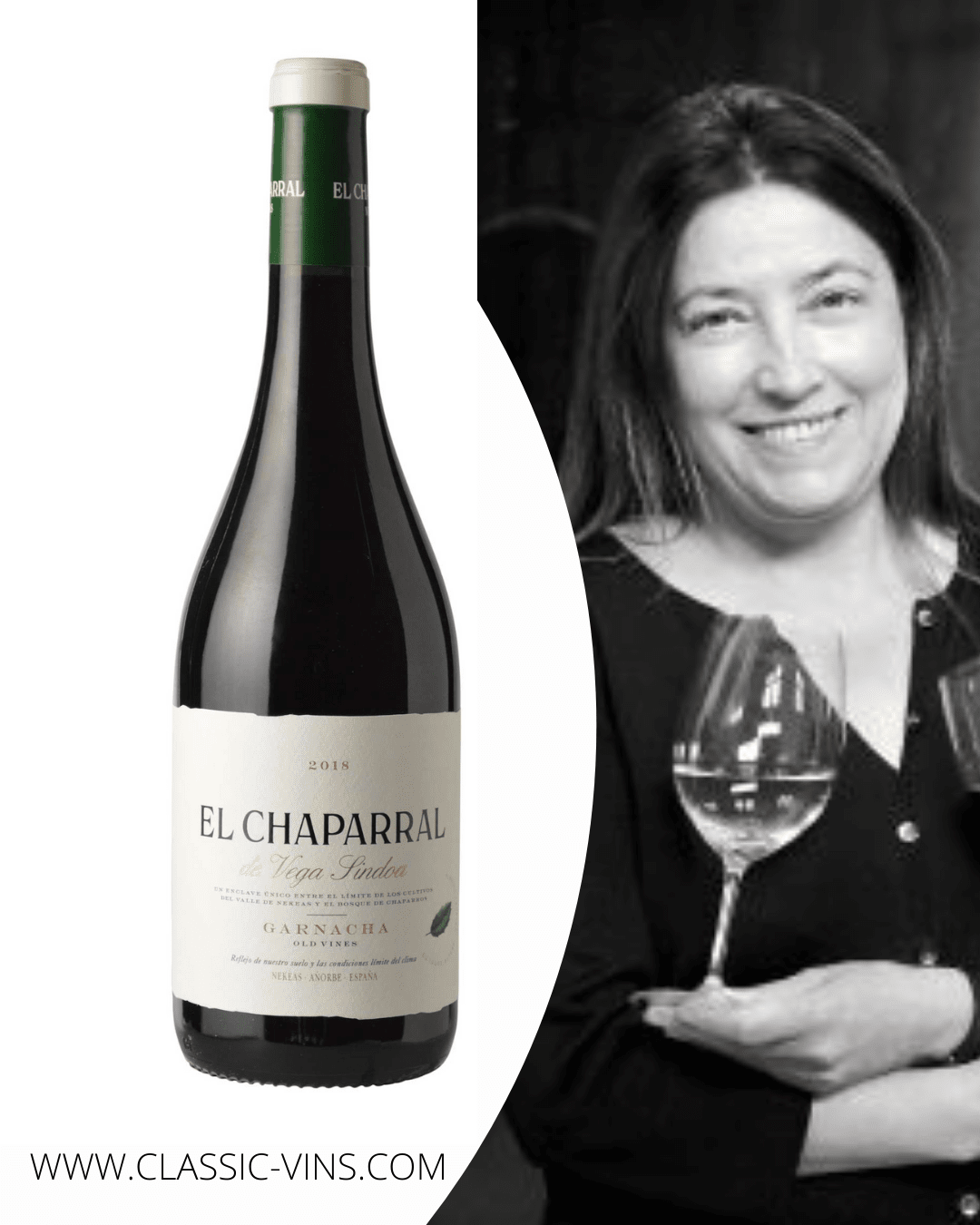
Chaparral https://classic-vins.com/wines-andorra/el-chaparral-2019/

You will be amazed to hear that we tend to describe this red Garnacha as an elegant one, although it is fetching a 15% content. Back in the days, the idea was to produced impressive rich blockbuster. Nowadays Concha Vecino is aiming at a drier style avoiding any sensation of sweetness. I guess that subtle extraction by lowering the amount of remontage (pumping-over) during the winemaking process. Also, the 12 months oak treatment is subtle and do not dominate. A generous and voluminous wine with supple tannins, some ripe dark fruits and a hint of black pepper.

Full-bodied, but the alcohol is amazingly well integrated. The value is mind-blowing!

Ferran Centelles does rate this wine well, and James Suckling gave it a 93/100.

A true bargain!!!


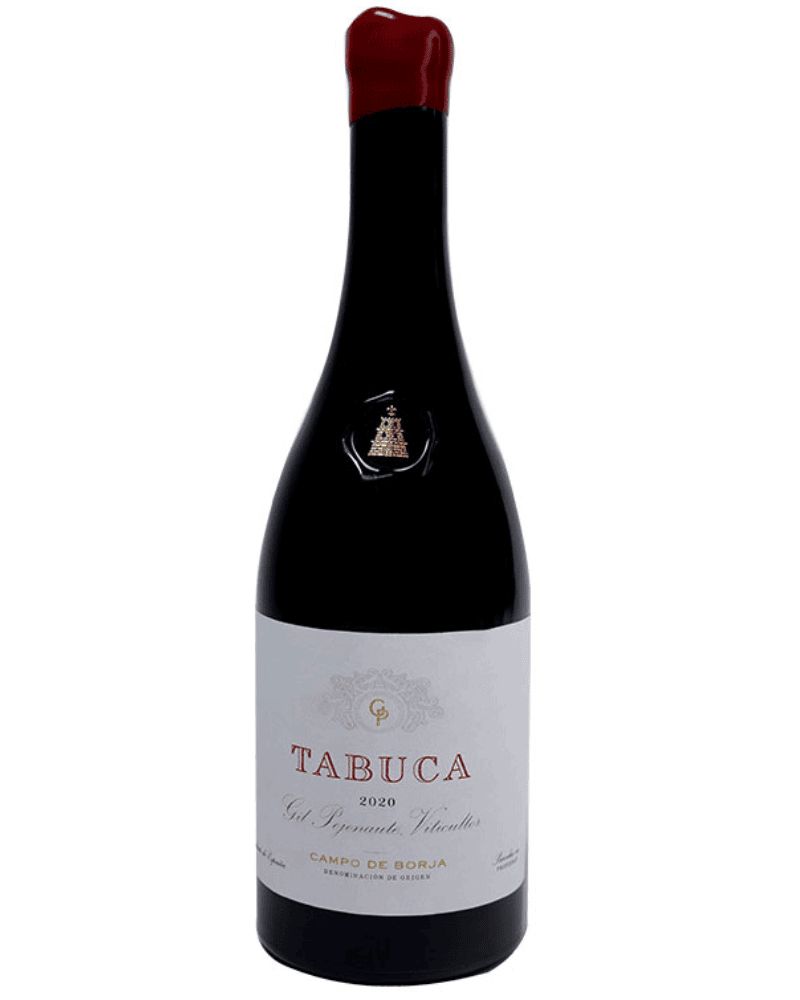
Further south, heading to a new brand adventure in Aragon, in DO Campo de Borja, Gil Pejenaute is «cooking» some interesting stuff! Maybe you have heard of him, as Decanter magazine and Guia Peñin consider that he is one of Spain’s rising stars.

Javier Gil Pejenaute is based in La Rioja Baja and works with the notorious Palacios Family, as one of their winemakers. But recently he has launched this project with his wife in the southern part of Campo de Borja at approximately 500 meters above sea level. The vineyard has great potential, even though the vines are roughly 35 years old young according to Javier.

For the time being, Javier is producing 2 wines.

Tabuca 2020 exhibits some lovely and perfumed aromas. Floral, grapefruit, spices, some ripe dark fruit too. The mouthfeel is gentle and smooth, but dry and elegant. By dry I want to express that there no sweetness sensation whatsoever. The finish is fresh and elegant, even though being a full-bodied wine.

James Suckling 93/100

Tabuca 2021 is not, yet available, but I guess it will arrive before Christmas. So far, my favourite vintage as this one is juicy, fresh, and complex. Also full-bodied but a superb food-friendly wine that run away from the «new worldy» style usually adopted in that Spanish area.

92/100 Robert Parker

Different style but totally worth a try, if you like big, bold wines! Bodega Morca owned by Gil family estates goes for concentrated and impressive wines packed with flavour, rich textured tannins, and strength. In that sense, they can be significantly closed to some classic Australian wines, such as Torbreck.

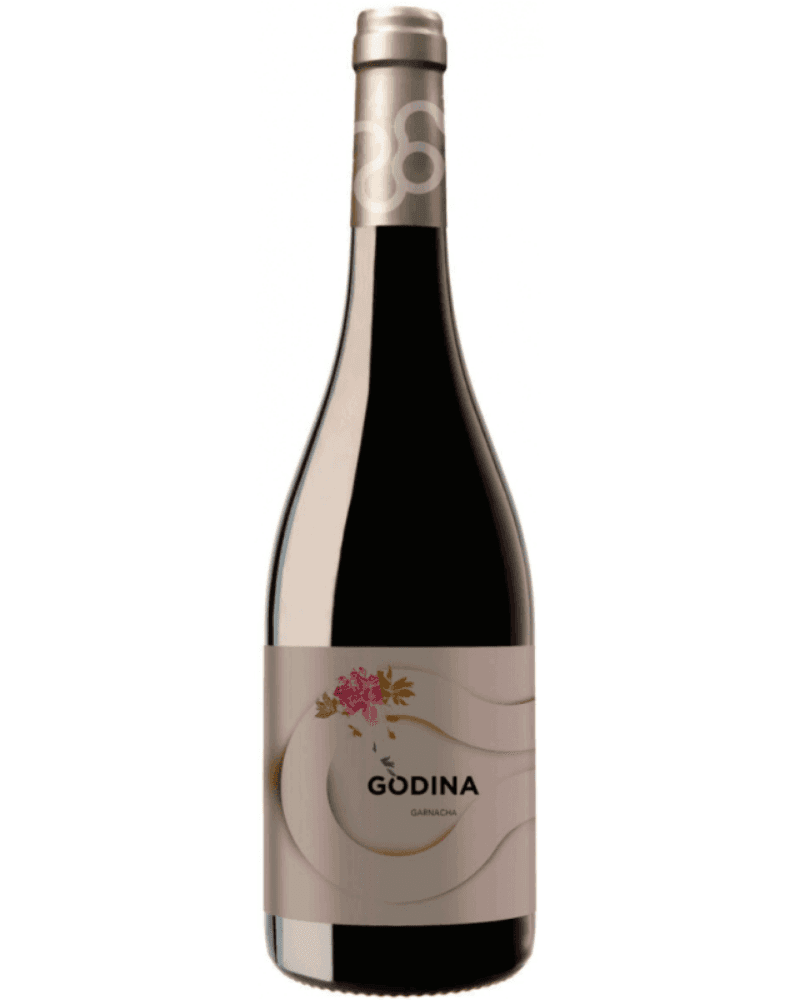
The highly attractive Godina seems to seduce most wine lovers! Hand-harvested, and aged 15 months in French oak this mind blowing blockbuster combines perfectly with hard cheeses such as Comté or mature manchego. Figs, vanilla, chocolate almost porty like. It is rich and intense. Above I mentioned the Australian style, but if you are into Italian’s Amarone don’t search any further. Godina is for you.


Qualitatively Aragon has been stuck during decades and mostly handed by co-operatives, although some of them have done a terrific job. Borsao, Bodegas Aragonesas or Bodegas San alejandro are names that come to mind straight away. But motivated individuals such Robert Norrel MW, Jorge Navascues or Fernando Mora MW are giving new chances to this overlooked wine region.


Calatayud is the southern most DO in Aragon, also a region that has suffered a devastating fire last year. Effectively more than 14.000 Has were charred by the flames in 2022.  Bodegas Atteca has been launched by Gil family Estate and here the style is bold and powerful. And most wines are offering tremendous value.

Not so long algo, we opened a 2013 Atteca Armas their top bottling. An impressive grenache that aged amazingly well. Now we can offer Atteca Armas from the 2015 vintage. Those wines need time to mature, to tame that youthful concentration. Otherwise, they seem to be over the top!

this 2015 is drinking well, more especially if you are into big sunshine wines. Atteca Armas is elaborated exclusively from high altitude old vines grenache.

94/100 Peñin


Go to Top