When wine tastes like stone… Or does it?

When Wine Tastes Like Stone… Or Does It?

Few words have fascinated the wine world as much as minerality. So much so that many producers have gone one step further and named their wines after minerals, rocks, or geological formations. It’s a powerful statement: a way of anchoring a wine to its origin, to the land, to something ancient and immutable.

But let’s pause for a moment.

When growers speak about “soil,” they rarely mean soil as a whole, complex system. More often, the focus narrows to mineral content—limestone, granite, schist—while many other critical parameters quietly step aside: pH, water availability, microbial life, insects, fungi, soil compactness, oxygen exchange… the living, breathing ecosystem beneath the vine.

And yet—this matters—we should never dismiss the grower’s intuition.

As farmers, vignerons develop an intimate, long-term relationship with their plots. Year after year, they observe how vines behave across different sites: the timing of budburst, flowering, nouaison, véraison, and ripening. They see how acidity holds, how sugars accumulate, how phenolic maturity evolves, how aromatic precursors express themselves. This empirical knowledge is not lab science—but it is data, gathered through lived experience.

So yes, it entirely makes sense that growers recognize certain sites as more special than others.

What science has not been able to demonstrate—despite decades of research—is a direct link between the mineral composition of a soil and the taste of a wine. No peer-reviewed paper has proven that limestone tastes “chalky” in the glass, or that granite transmits itself as tension or salinity.

Even more provocatively: the so-called “mineral” aromas sometimes found in wine are not minerals at all. They are often sulfur compounds produced by yeasts during alcoholic fermentation.

And yet… the wines remain compelling.

Because naming a wine after a rock is less about chemistry and more about identity. It’s a way of saying: this place matters.

Here are a few producers who wear their geology proudly on the label:

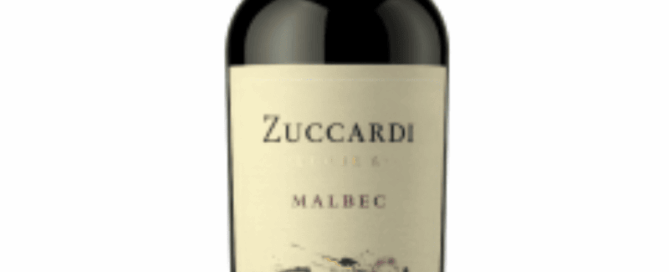
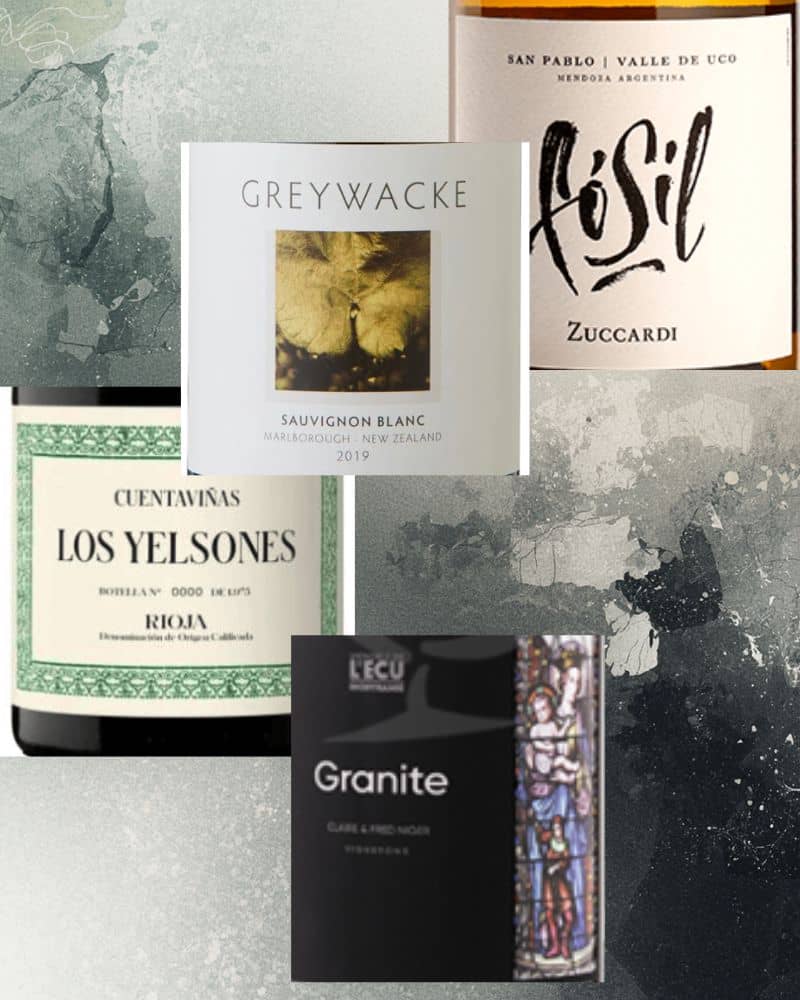
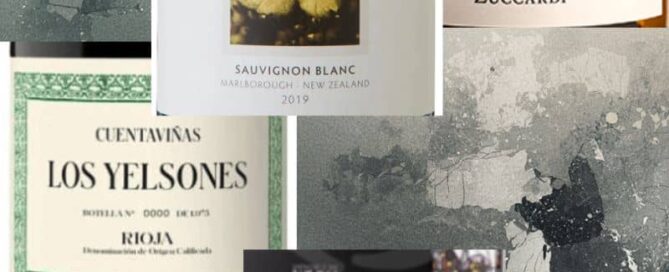
  • Zuccardi Fósil Chardonnay (Argentina)
    A laser-blade Chardonnay: intense yet energetic, citrus-driven, precise, and profoundly vertical. A wine that feels sculpted rather than built.

  • Zuccardi “Alluvial” Series
    A clear reference to sedimentary origins and site expression, explored through different vineyards and textures.

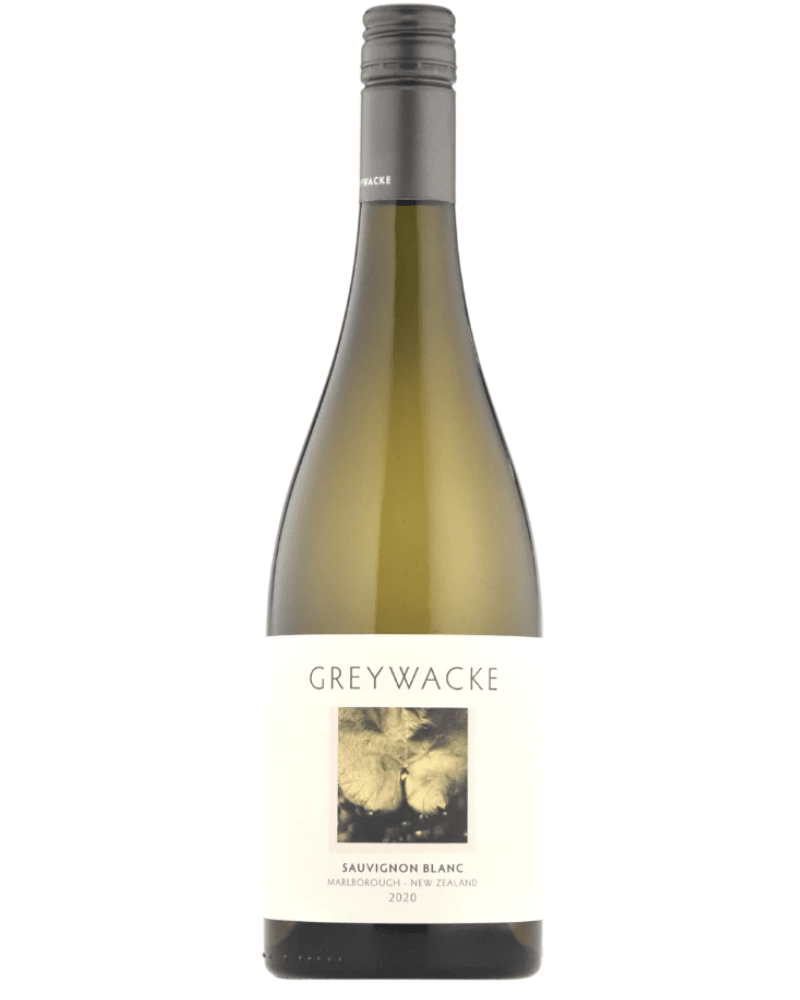
  • Greywacke Estate (New Zealand)
    Named after a well-known sedimentary rock, this now-iconic estate expresses tension, purity, and restrained power—very much in line with its geological inspiration.

  • Domaine de l’Ecu (Loire Valley)
    A deeply artisanal estate that pushes parcel differentiation to the forefront. Their Melon de Bourgogne cuvées Granite and Orthogneiss are as much philosophical statements as they are wines.

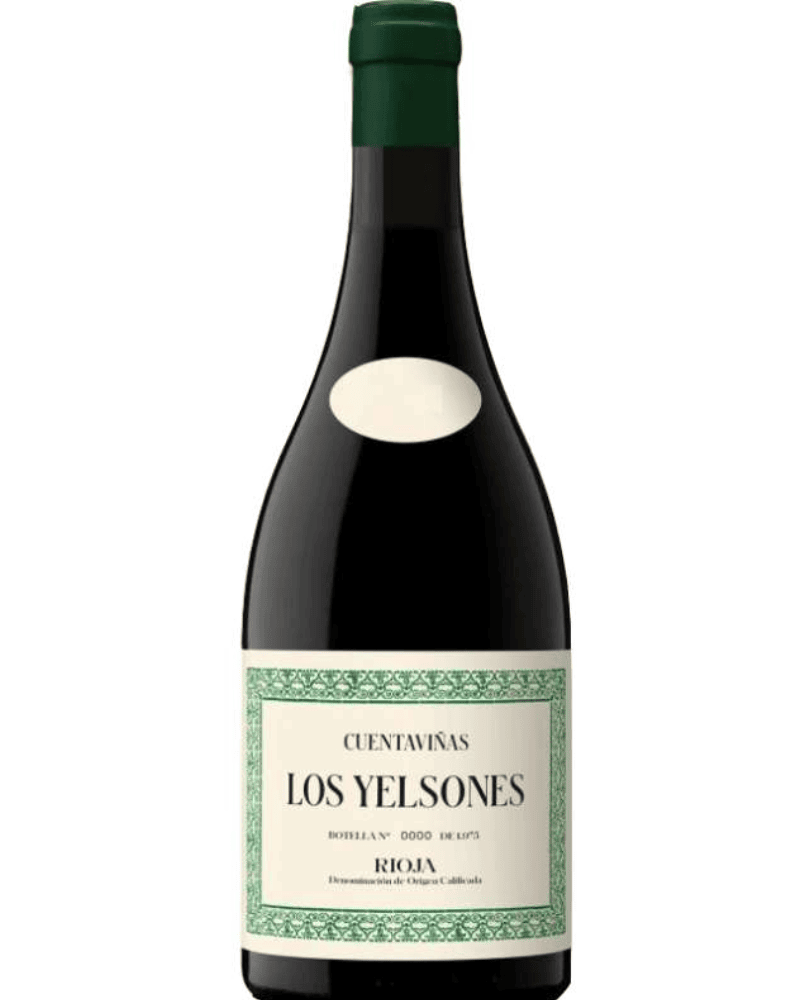
  • Los Yelsones – Eduardo Eguren (Rioja)
    With a vision closer to Burgundy or Barolo than classic Rioja, Eguren names this wine after calcareous rounded stones found in the vineyard—another nod to place over recipe.

So, do these wines taste like rocks?
No.
Do they taste like somewhere? Absolutely.

And perhaps that’s the real value of minerality—not as a literal translation of soil into flavor, but as a poetic language growers use to express their most intimate understanding of place.
The most highly rated wines available according to Parker

The most highly rated wines available – according to Parker

Guides, critics, and sommeliers play an undeniable role in today’s wine world. Many clients, professionals, and seasoned wine lovers claim they are not influenced by scores—and there is some truth to that. Too much information can dilute meaning. Yet the modern wine scene is undeniably crowded with ratings, medals, and influencers competing for attention.

Whether we like it or not, scores still shape perception and buying decisions. Among them, the Parker Guide—despite Robert Parker stepping down in 2012—remains a major reference point. Alongside it, critics such as Tim Atkin and James Suckling continue to set global benchmarks.

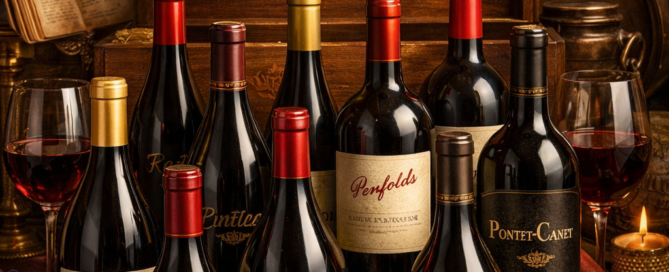
For this post, we focus on the cream of the crop: the highest-rated wines currently available :

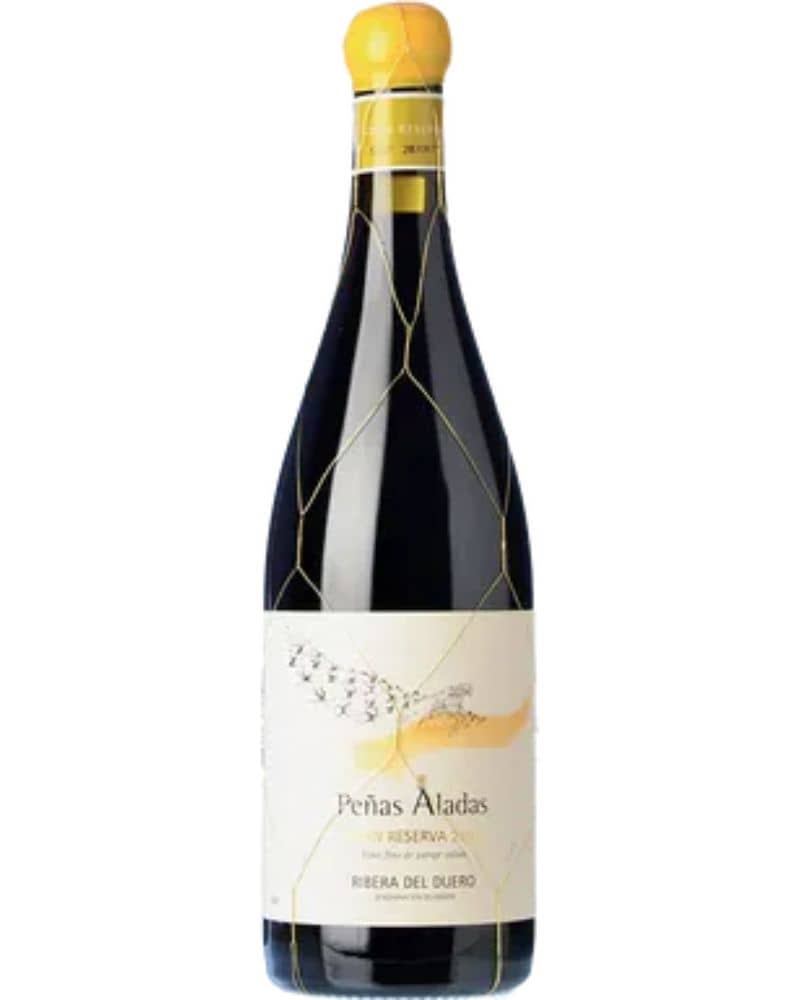
  • Peñas Aladas Gran Reserva Dominio del Aguila 2019 – 99 RP Points

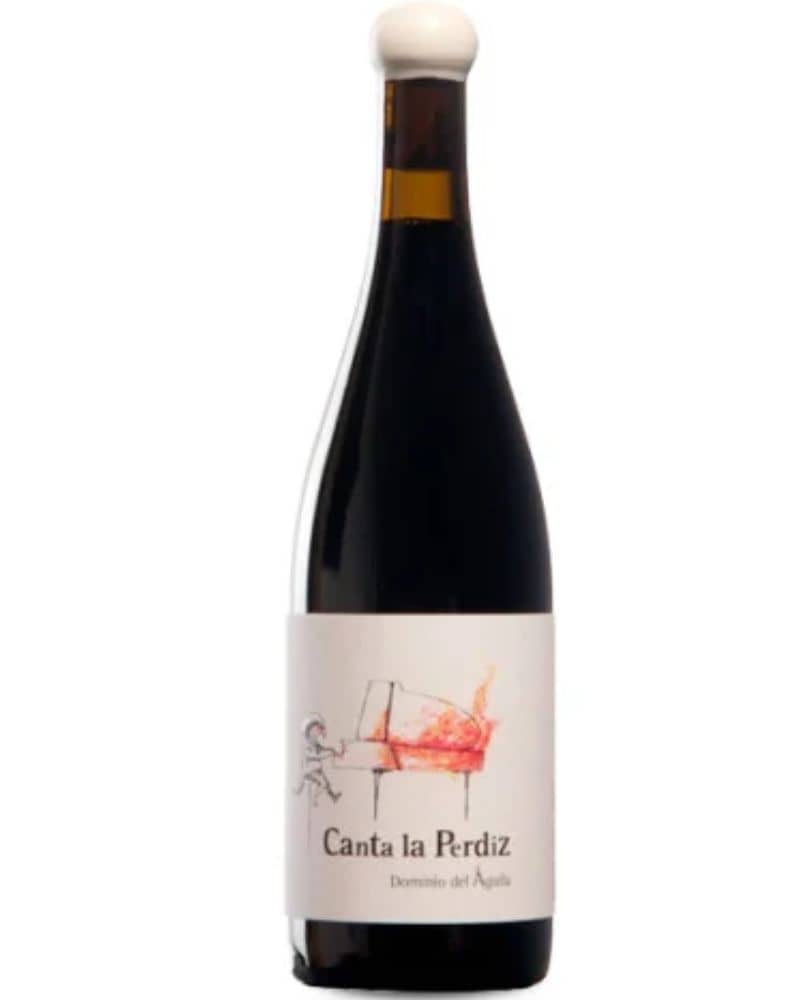
  • Canta La Perdiz Dominio del Aguila 2019 – 98 RP Points

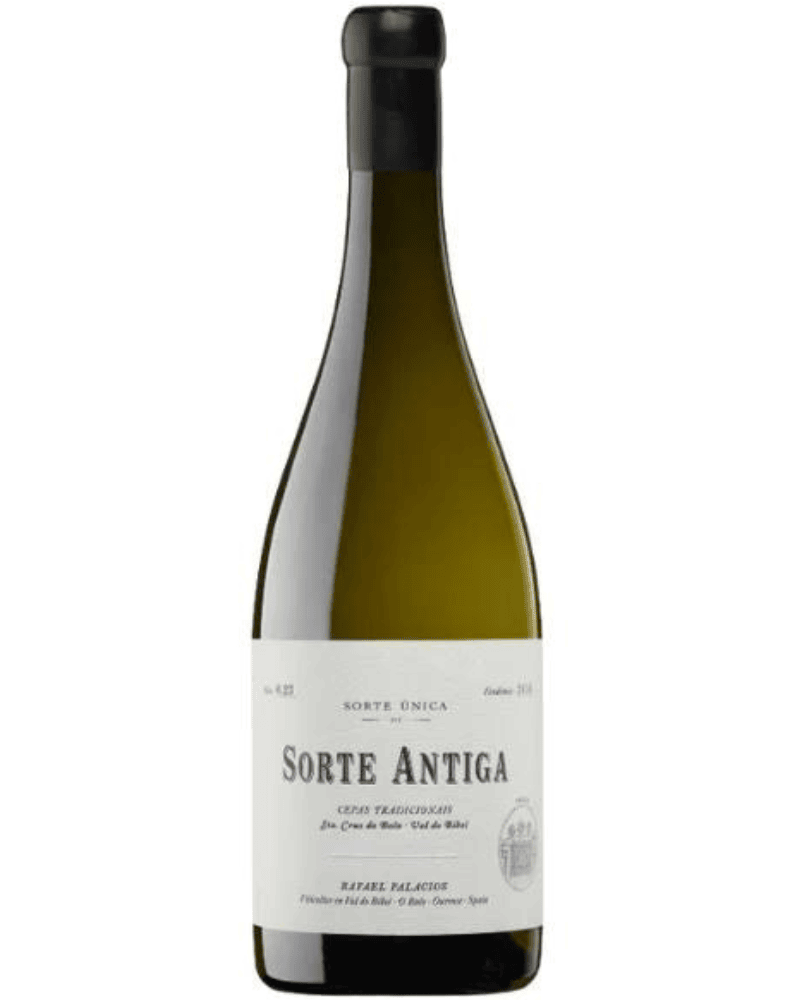
  • Sorte Antiga Rafael Palacios 2023 – 96 RP Points

  • O’Soro Rafael Palacios 2023 – 96 RP Points

  • Ultreia Valtuille Raul Perez 2021 – 98 RP Points

  • Ferrer-Bobet Seleccio Especial 2019 – 97 RP Points

  • Recondita Armonia 1987 – 96 RP Points

  • Montrachet Grand Cru Bouchard Père et Fils 2022 – 97 RP Points

  • Domaine de la Janasse, Châteauneuf-du-pape, Vielles Vignes 2022 – 97 RP Points

  • Château Clinet, Pomerol 2009 – 100 RP Points

  • Château l’Evangile Pomerol 2015 – 97 RP Points

  • Château Pontet Canet, Pauillac 2020 – 98 RP Points

  • Penfold’s Grange 2017 Australia – 98 RP Points

  • Torbreck Runrig 2020 Australia – 97 RP Points

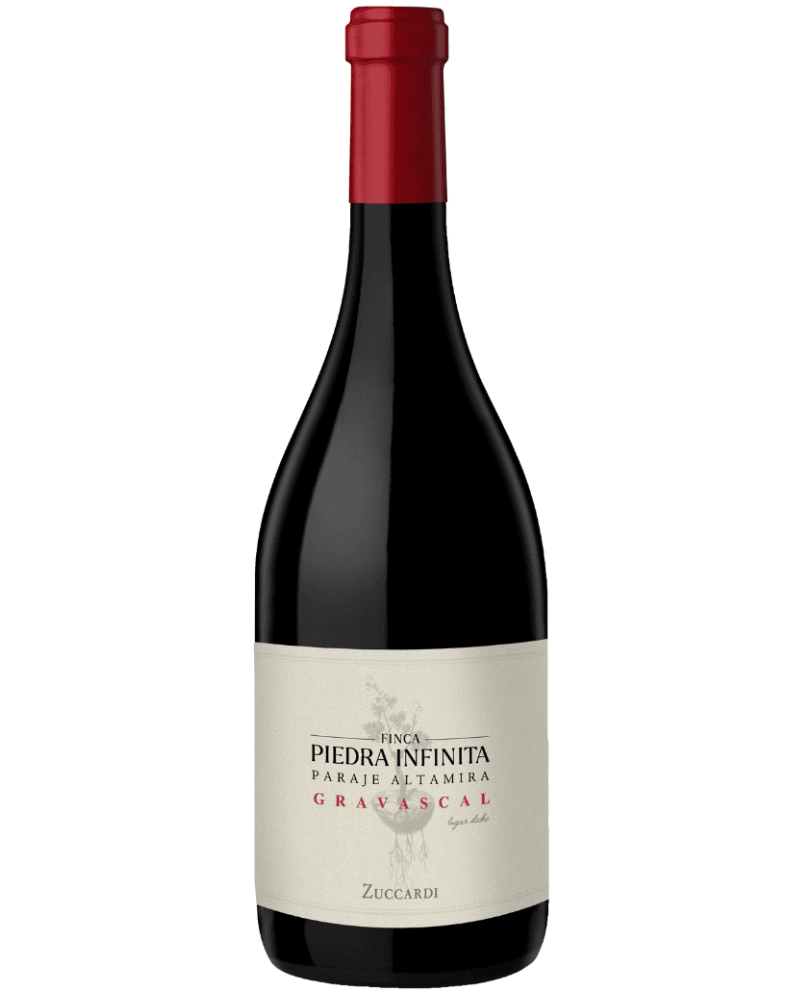
  • Piedra Infinita Gravascal Malbec 2020 – 98 RP Points

  • Piedra Infinita Supercal Malbec 2020 – 98 RP Points

If you are interested to acquire one those wines, do not hesitate to contact us!

Cheers,


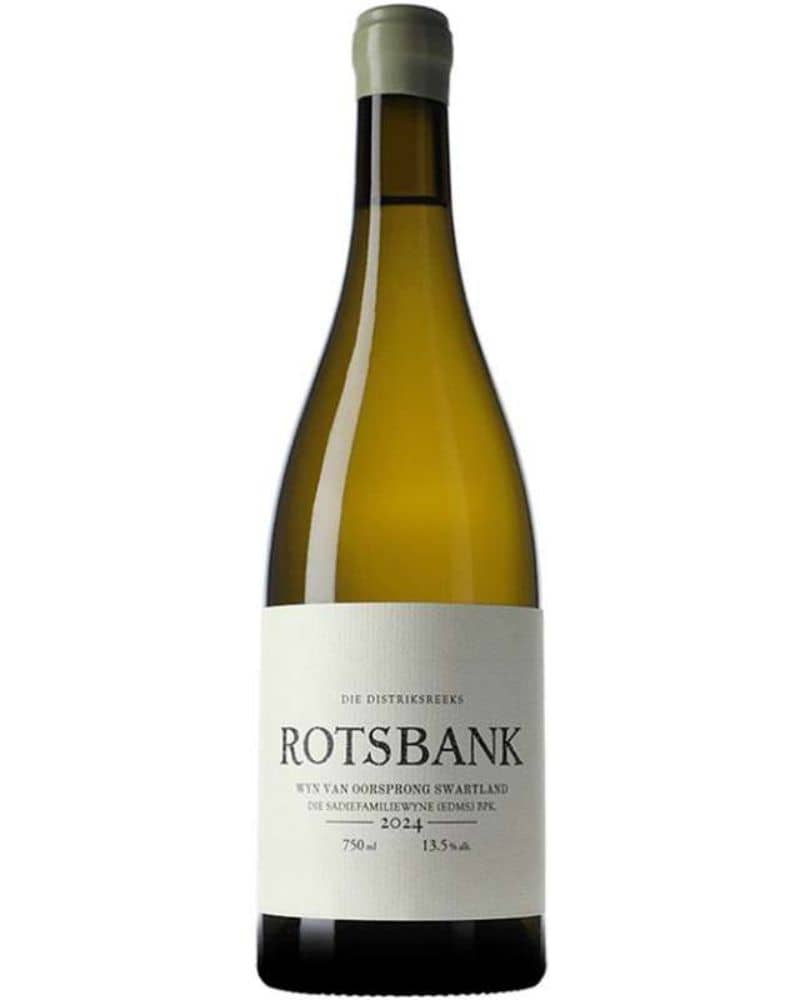
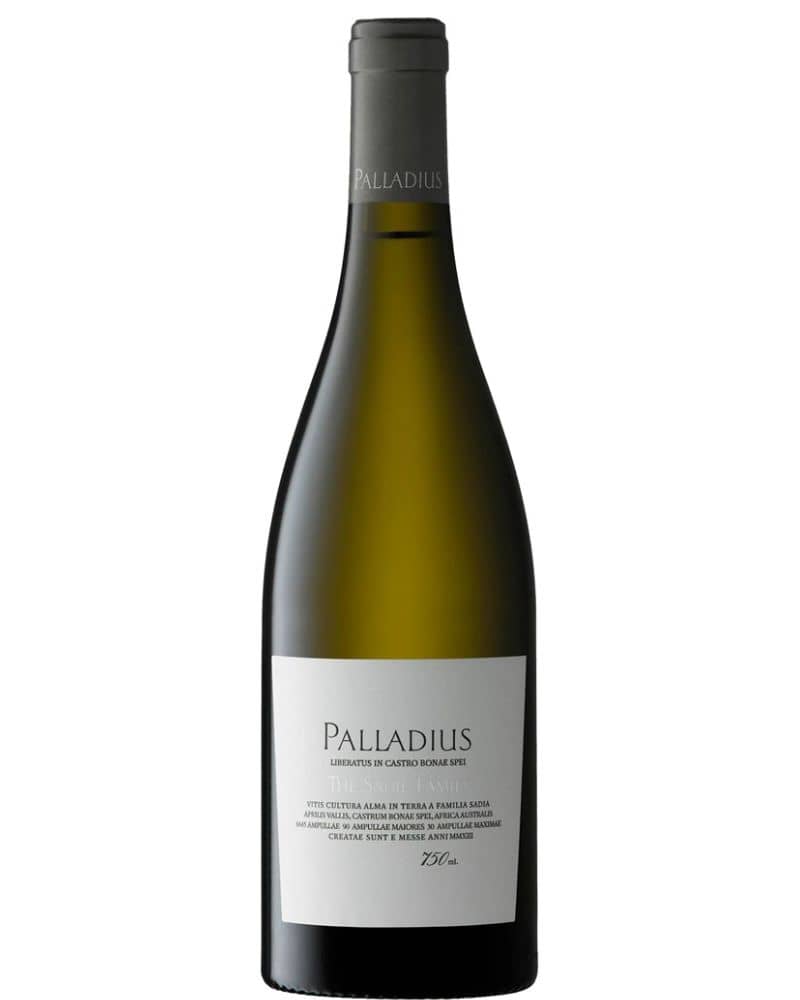
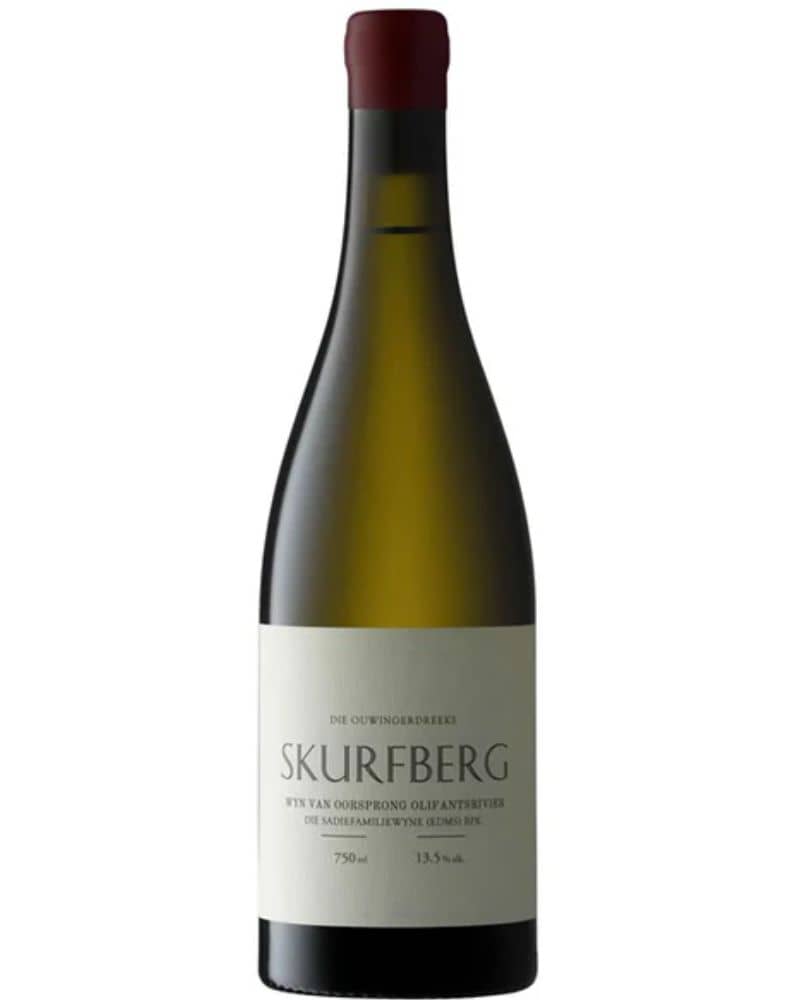
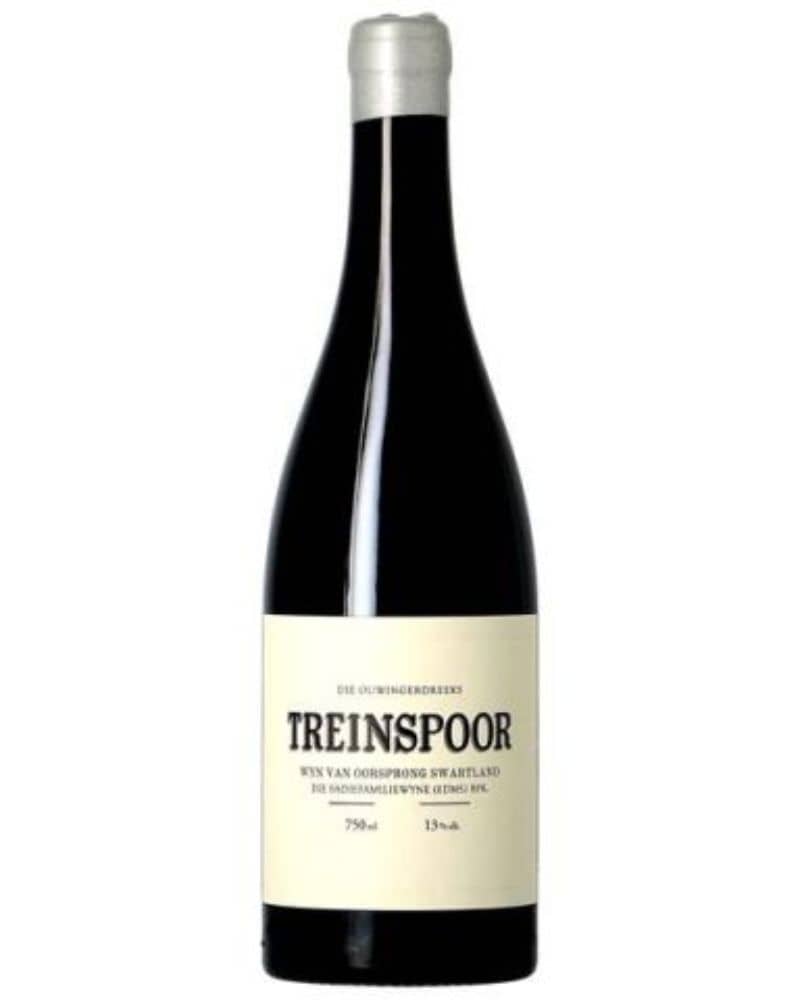
Sadie Family Wines, Cult wines from South Africa

A South African cult wines : Sadie Family


GENERAL OVERVIEW

The Sadie Family Wines was founded on a creative principle and the understanding that we practise agriculture.
The reference to agriculture does not highlight the importance of economy but rather suggests a cultural activity and a relationship with the land as cornerstone. Very little agriculture remains today and sadly so. Most activities are better defined as agri-businesses with the main objective to take the maximum from the earth with zero  understanding of the true responsibility we have as citizens of the very land we inhabit.

We are merely borrowing this land and planet from the next generation, therefore we should aim to return it in a better state than we found it in at our point of entry. As a collective we have failed the planet here. However, in our company we are committed to do everything in our power to become a great citizen of the globe. One should not be a hypocrite either and ultimately there is a cost to any activity. In the view of that cost, it is of utter importance that our produce is worthy and of the highest possible standard so as to warrant that cost.

We have various charters in place with defined policies on important aspects like going off the grid, recycling packaging, water saving and the provenance of every component that forms part of our activity. Much care is taken to make the best decisions and cost is not the driving factor because great wine is produced outside the realm of spreadsheets and in a relationship with the soil, the atmosphere, the plant, the people involved and oneself. Currently, we have a team of 36 people attending to the daily workings at the Domaine. We now farm 51 hectares, of which 24 hectares are in production from our own vineyards, and an additional 27 hectares are being rented but worked by our team.

We typically sell around 25% of our grape production, as we produce more fruit than we need. Our general yield is approximately 4 tons per hectare, which places our annual production in bottles at around 90,000 bottles.

The Illusion of Decline: Why the Wine Industry Misreads Its Own Crisis

The Illusion of Decline: Why the Wine Industry Misreads Its Own Crisis

Across much of the world, wine consumption is said to be “collapsing.” The headlines are dramatic: record-low per-capita figures, shrinking domestic markets, and the supposed death of the everyday wine drinker. Yet the truth, as so often in wine, is more complex than the numbers suggest. The decline is not only statistical; it is cultural. And the way the industry interprets it may be leading us further away from the solution.


1. The mirage of declining consumption

Global wine consumption figures are, at best, approximations. They are derived from production, imports, exports, and assumed stock variations. But what we call “consumption” rarely equals drinking. A substantial volume of wine today never reaches the glass.

Much of it rests in professional cellars, merchant warehouses, and restaurant inventories that have expanded dramatically over the last forty years. Add to that the rise of speculative storage—where investment funds, trading platforms, and collectors hold fine wines as financial assets—and you begin to see the scale of the disconnect. The wine exists, it circulates as capital, but it is not being consumed in the traditional sense.

At the same time, private households—the historical heart of the wine-drinking culture—now stock less than ever. The days of buying by the case, cellaring, and patiently waiting for a vintage to mature are largely gone. Most consumers purchase in small quantities and drink within days. The world’s cellars may be full, but glasses are emptier.


2. The financialisation of a cultural good

Since the early 2000s, wine has been steadily transformed into an asset class. Indexes like Liv-ex have formalised the speculative dimension of fine wine, while storage facilities around London, Geneva, and Singapore quietly hold millions of bottles that may never be opened.

This shift has brought liquidity and visibility to the fine-wine market—but it has also distorted the emotional economy of wine. Bottles once meant to mark celebrations or express identity are now spreadsheets of unrealised gains. Prices rise, access narrows, and the human act of sharing wine becomes a casualty of financial abstraction.


3. The lost domestic culture

Parallel to this financialisation is the erosion of the domestic wine culture. Urban living, smaller homes, mobility, and changing habits have made private cellars obsolete. “Drinking less but better” was once a noble goal; it has evolved into “drinking rarely and expensively.”

The consequence is a market structure built on professional inventory and collector demand, rather than everyday consumption. The social glue that once bound wine to ordinary life—family meals, local pride, conviviality—has weakened.


4. The industry’s time capsule: thinking like it’s 1999

Yet, the industry continues to produce, market, and price wine as if it were still the late 1990s. The psychological imprint of the Parker era remains deep: power, oak, ripeness, and prestige are still mistaken for relevance.
Premiumisation was hailed as the strategic answer to falling volumes: if people drink less, make them pay more. But the result has been a dangerous narrowing of the market. Entry-level wines disappear; aspirational labels multiply. The middle ground—the space where future wine lovers used to be created—has collapsed.
Premiumisation serves producers and investors, not the long-term vitality of wine culture. It is a comforting illusion: value per litre may rise, but the number of actual drinkers continues to fall.


5. A generation lost in translation

Young adults are not rejecting wine itself—they are rejecting the experience surrounding it.
To them, wine too often feels opaque, elitist, and disconnected from modern lifestyles. The industry’s communication still relies on heritage and hierarchy, not transparency and inclusion.

The product formats (always 750 ml glass bottles), the high alcohol levels, the technical jargon, and the price escalations—all of this signals that wine is a world for insiders. Meanwhile, beer, cocktails, kombucha, and low-alcohol beverages speak in the language of curiosity, lightness, and immediacy.

Wine is not losing relevance because of its nature, but because of its narrative. The industry still talks to its past audience, not to its future one.


6. The paradox of abundance

Ironically, the quality of wine worldwide has never been higher. Regions once peripheral are now producing extraordinary, authentic wines. Viticulture and enology have advanced at breathtaking speed. Yet this explosion of quality meets a contracting audience.

Wine’s problem today is not one of product—it is one of positioning. It has become a luxury good in a world increasingly sceptical of luxury.


7. Re-imagining the future

The path forward requires a collective cultural reset.

  • Reposition wine as accessible pleasure, not cultural homework.

  • Encourage wines that fit contemporary lives: lighter, fresher, more transparent, sometimes in smaller formats.

  • Rebuild trust in pricing: less fetish for “premium,” more attention to fair, honest value.

  • Humanise communication: tell stories that connect emotion, not ego.

Wine can again be a living culture rather than a financial instrument—but only if producers, merchants, and educators stop speaking the language of twenty years ago.


Conclusion

The decline of wine consumption is not purely a matter of taste or demographics. It is a symptom of the industry’s reluctance to evolve. The liquid in the bottle may be timeless, but the culture around it cannot be.

Wine has survived wars, famines, and revolutions; what threatens it now is complacency. To secure its future, the industry must rediscover the courage to be relevant—not just respectable.

New Arrival in Our Porfolio: Zuccardi wines

New Arrival in Our Portfolio: Zuccardi Wines

From the Uco Valley, Argentina


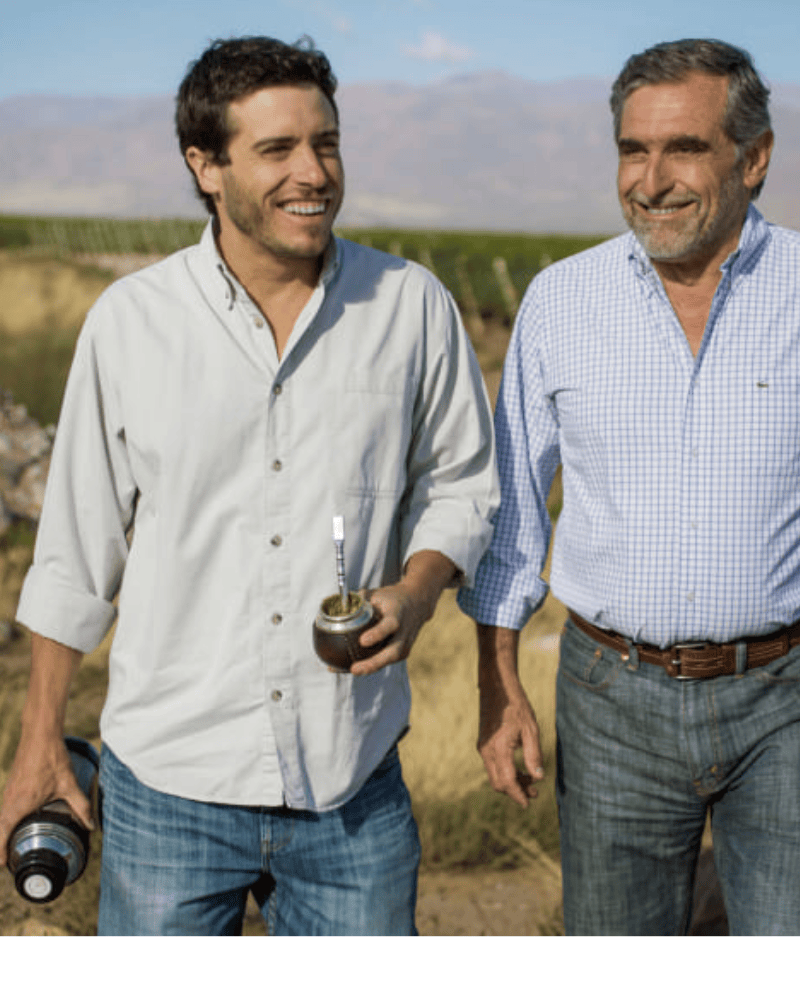
Founded in 1963 by Alberto “Tito” Zuccardi in Maipú, this iconic Argentine estate is now in the hands of the third generation. Sebastián Zuccardi, who joined the family business in 2005, has since redefined the direction of the winery with a visionary focus on terroir.

Under Sebastián’s leadership, the heart of Zuccardi moved to the Uco Valley, where high-altitude vineyards reveal the unique character of sites such as Altamira, Gualtallary, and San Pablo. His philosophy is simple yet uncompromising: fermentations with native yeasts, minimal oak, and a relentless pursuit of wines that express their place of origin—soil, altitude, climate, and grape adaptation in perfect harmony.

In 2008, Sebastián established a dedicated Research & Development department, underscoring his obsession with understanding terroir in depth. The results have been nothing short of extraordinary. In 2022, Zuccardi became the only winery in Argentina to achieve three perfect 100-point scores from Robert Parker’s Wine Advocate—a milestone that firmly placed Paraje Altamira among the world’s greatest wine-growing regions.

We are thrilled to welcome Zuccardi to our portfolio and share their story, passion, and world-class wines with you.

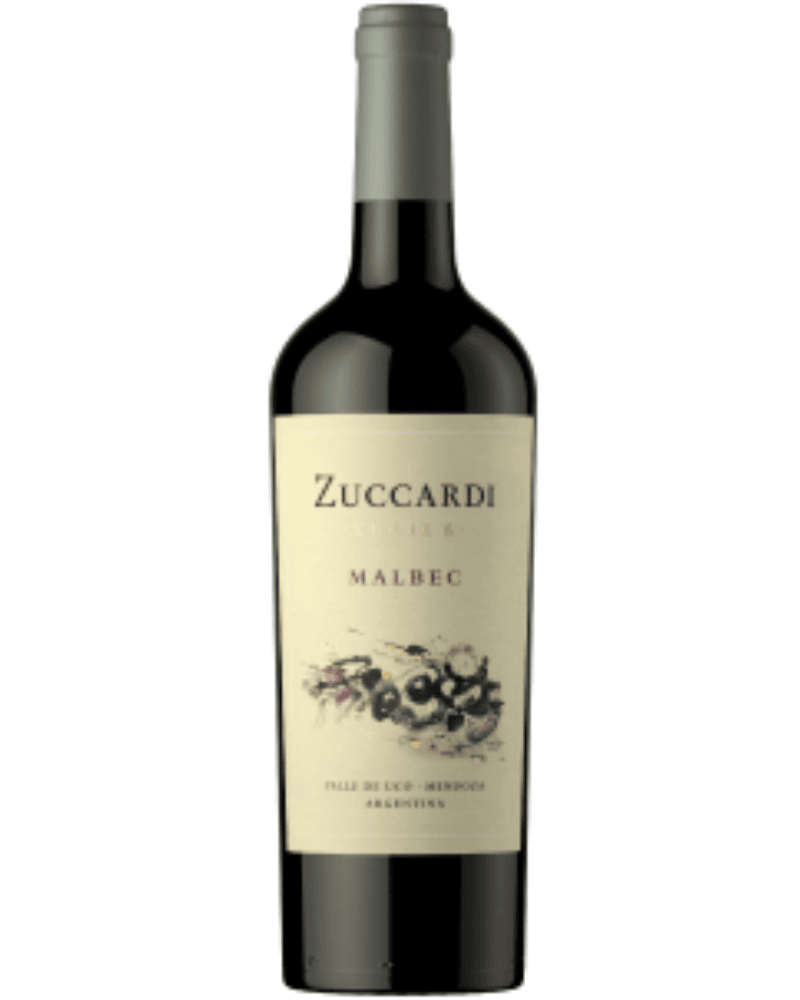
Serie A Malbec, Valle de Uco 2023
Crafted from Malbec vineyards planted between 950 and 1,400 meters above sea level, this wine captures the essence of the Uco Valley. Unlike most of Zuccardi’s range, a portion is aged in oak, adding subtle depth and texture. The result is a concentrated yet approachable Malbec—serious in character, highly pleasurable, and the perfect introduction to Zuccardi’s signature style.

12.50 Euros

91 points James Suckling

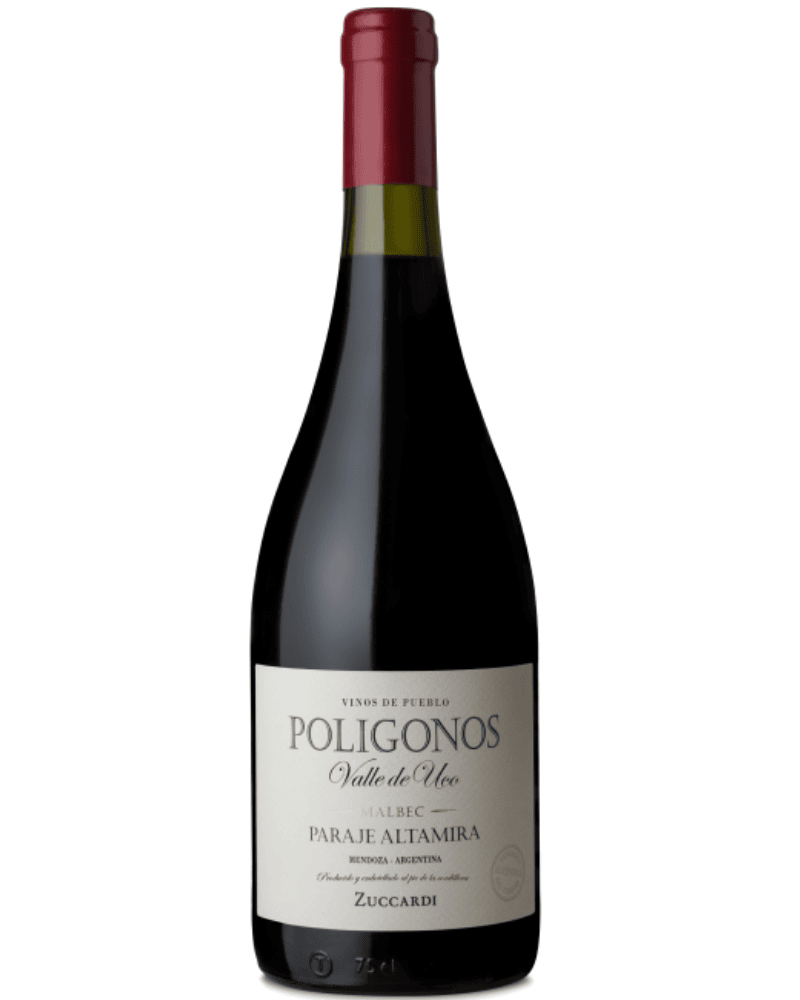
Polígonos Malbec, San Pablo, Valle de Uco 2023
Sourced from the high-altitude subzone of San Pablo at 1,400 meters above sea level, this Malbec reflects the cooler climate and long, slow ripening process that allows aroma precursors to develop beautifully. Entirely fermented and aged in concrete, it is a pure expression of Zuccardi’s philosophy: wines shaped by place rather than oak. Earthy yet floral, rustic yet refined—this is Malbec in its most profound and elegant form.

27.50 Euros

94 points James Suckling

94 points Tim Atkin

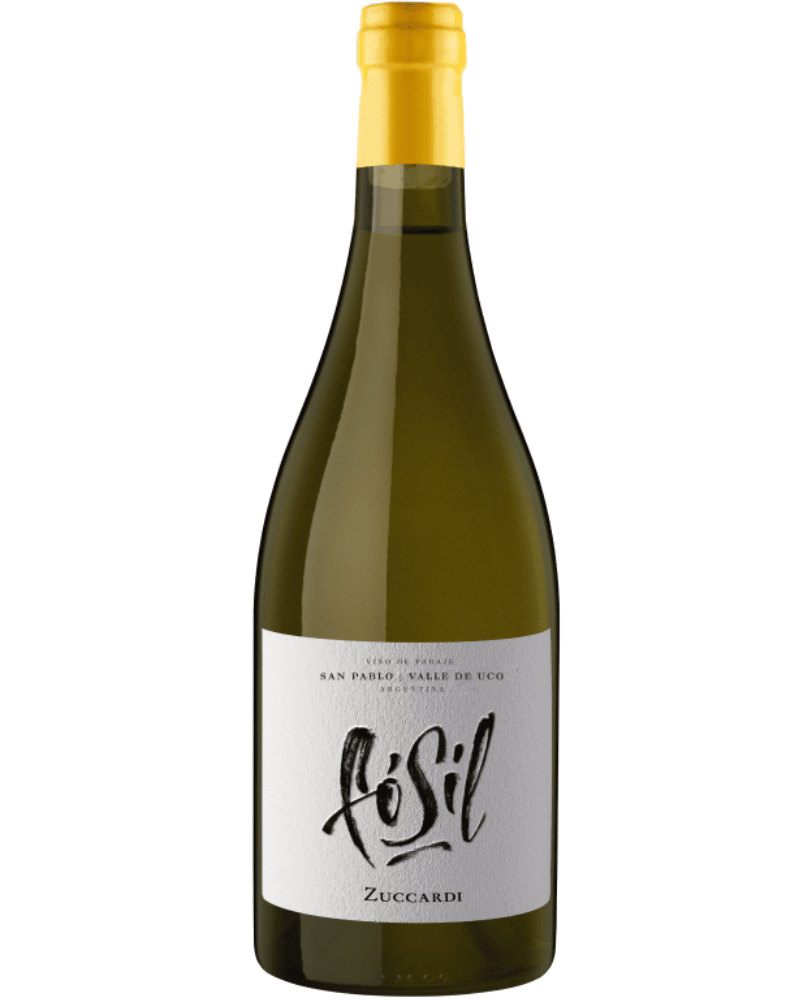
Zuccardi Fósil Chardonnay, San Pablo 2021
A thrilling cool-climate Chardonnay from vineyards at 1,400 meters above sea level in San Pablo. Fermented mostly in concrete (70%) with a portion aged in used 500L oak (30%), the wine undergoes no malolactic fermentation, preserving its piercing natural freshness. Electric and mineral, with citrus vibrancy and remarkable depth, this is an elegant, racy Chardonnay that will delight lovers of top-tier Chablis.

65.00 Euros

96 points Robert Parker

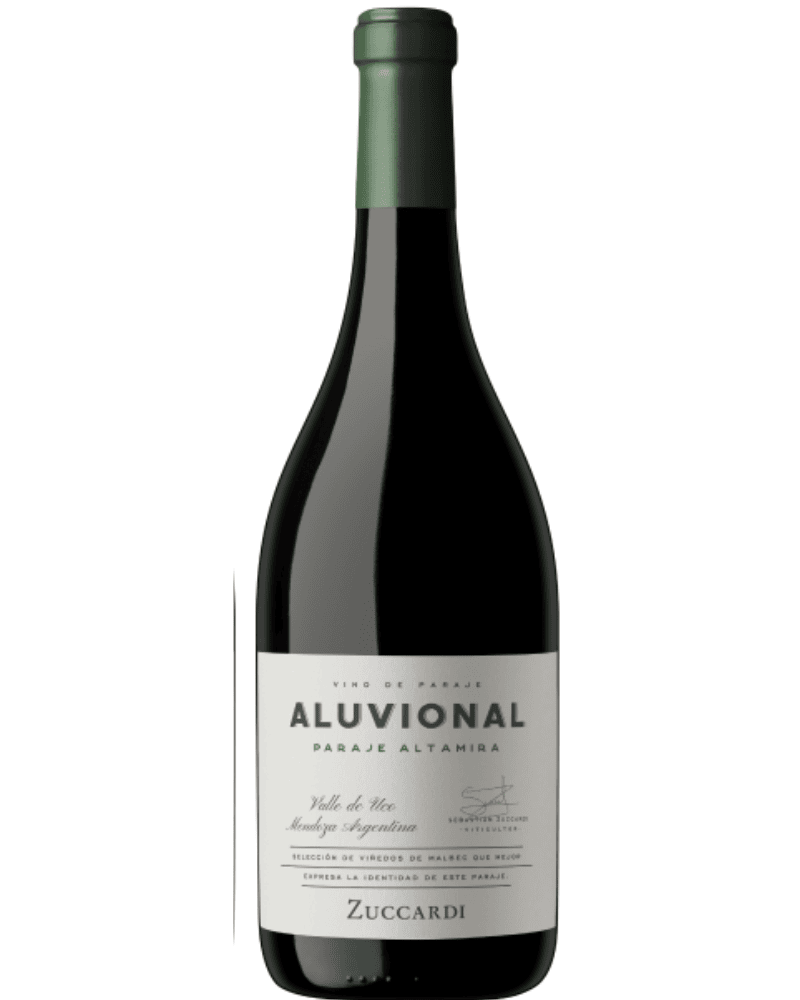
Aluvional Altamira Malbec, Valle de Uco 2017
A superb expression of Malbec and outstanding value in the realm of fine wine. Sourced from Altamira—one of the most prized sites in the Uco Valley—at 1,050–1,150 meters above sea level, where granite and calcareous soils shape its identity. Entirely fermented and aged in concrete, the wine displays a beautiful chalky texture, pure juiciness, and a striking mineral character. A liquid expression of place—Malbec at its very best.

60.00 Euros

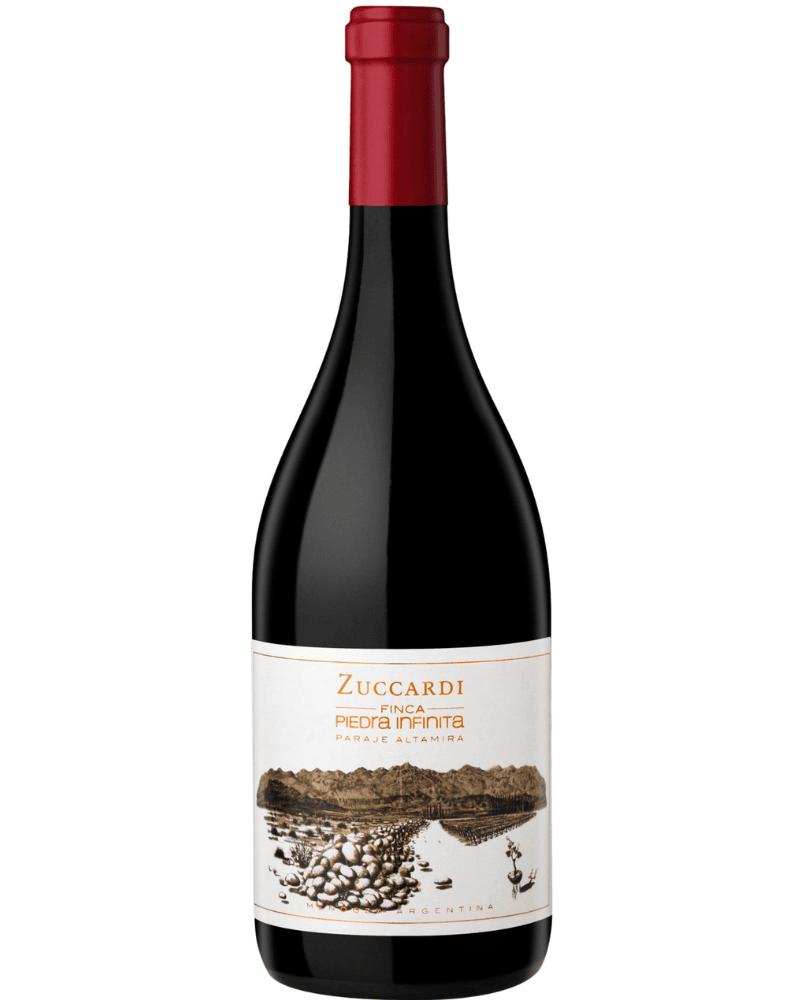
Finca Piedra Infinita Malbec, Altamira 2018
From a unique and iconic parcel in Paraje Altamira at 1,100 meters above sea level, where the soils are exceptionally stony and calcareous. Its name—“Piedra Infinita”—pays homage to the seemingly infinite effort required to clear the vineyard of stones before planting. Fermented and aged entirely in concrete, this is one of Argentina’s most elegant wines: sapid, profound, and defined by finesse rather than power. A true benchmark of Malbec.

150.00 Euros

99 points Robert Parker

99 points James Suckling


Finca Piedra Infinita Gravascal, Altamira 2020
The pinnacle of Zuccardi’s terroir-driven vision, this minute 0.73-hectare parcel is strewn with large gravel, granite, and calcareous stones. True to the estate’s philosophy, fermentation and aging take place exclusively in concrete, with no oak influence. The result is a wine of remarkable finesse and precision—chalky and mineral, layered with graphite notes and a distinctive saline finish. Profound and unforgettable, this is truly the cream of the crop.

260.00 Euros

98 points Robert Parker

99 points Tim Atkin

Jean Claude Berrouet: Merlot whisperer

Jean-Claude Berrouet – Merlot whisperer


Born in 1942, Jean-Claude Berrouet is not merely a winemaker; he is a philosopher of Merlot, a quiet master whose legacy resonates through the vineyards of Bordeaux and far beyond. For 44 vintages, from 1964 until his retirement in 2007, Berrouet was the voice — soft-spoken yet unwavering — behind the wines of Établissements Jean-Pierre Moueix, including the mythical Château Pétrus. His appointment by Jean-Pierre Moueix at the tender age of 22 would mark the beginning of one of the most influential careers in the history of modern winemaking.

Jean-Claude Berrouet is a man of nuance and subtlety. A lover of literature and poetry, his approach to winemaking is deeply humanistic — respectful of terroir, humble in intervention, and firmly anchored in the belief that great wine should whisper, not shout. He eschewed excessive extraction, shunned overuse of new oak, and was always wary of modern winemaking techniques like micro-oxygenation. In his hands, Merlot became not a vehicle for power, but for elegance, grace, and quiet longevity.

Though now officially retired, his impact continues — not least through his son Olivier, who today oversees winemaking at Établissements Moueix, ensuring that the Berrouet dynasty remains intimately woven into the fabric of Right Bank Bordeaux.

Jean-Claude’s influence, however, extends well beyond the borders of Pomerol. His insight and savoir-faire are sought across the globe: in Israel at Tzora Vineyards since 2010, in Argentina with Tapiz since 2011, in China at Château Rongzi, and in select French estates where he remains a guiding hand. His remarkable contribution to the world of wine was formally recognised when he was named Winemaker of the Year by the Institute of Masters of Wine in 2018.

A winemaker of international repute, his name appears frequently in the pages of La Revue du Vin de France, Wine Spectator, The Wine Bible (Karen MacNeil), Jane Anson’s writings, Ian D’Agata’s works, Bianca Bosker’s explorations, and José Peñín’s latest opus — a testament to his quiet but resounding influence on generations of wine lovers and professionals alike.

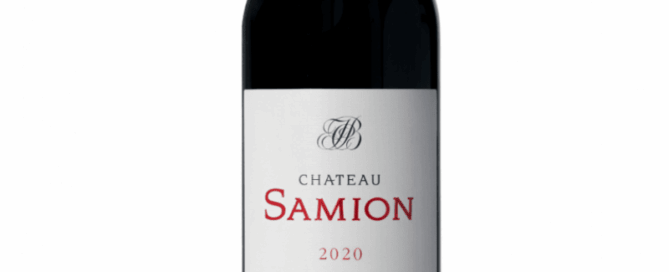
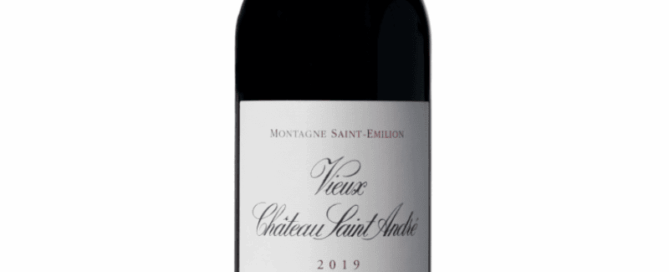
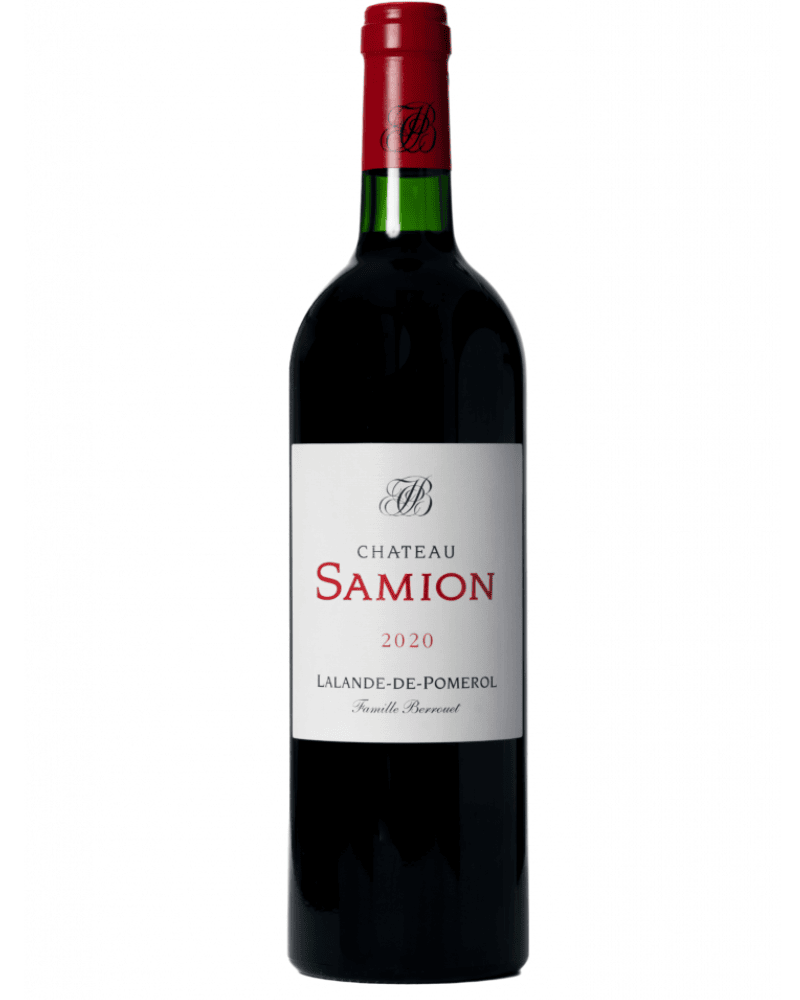
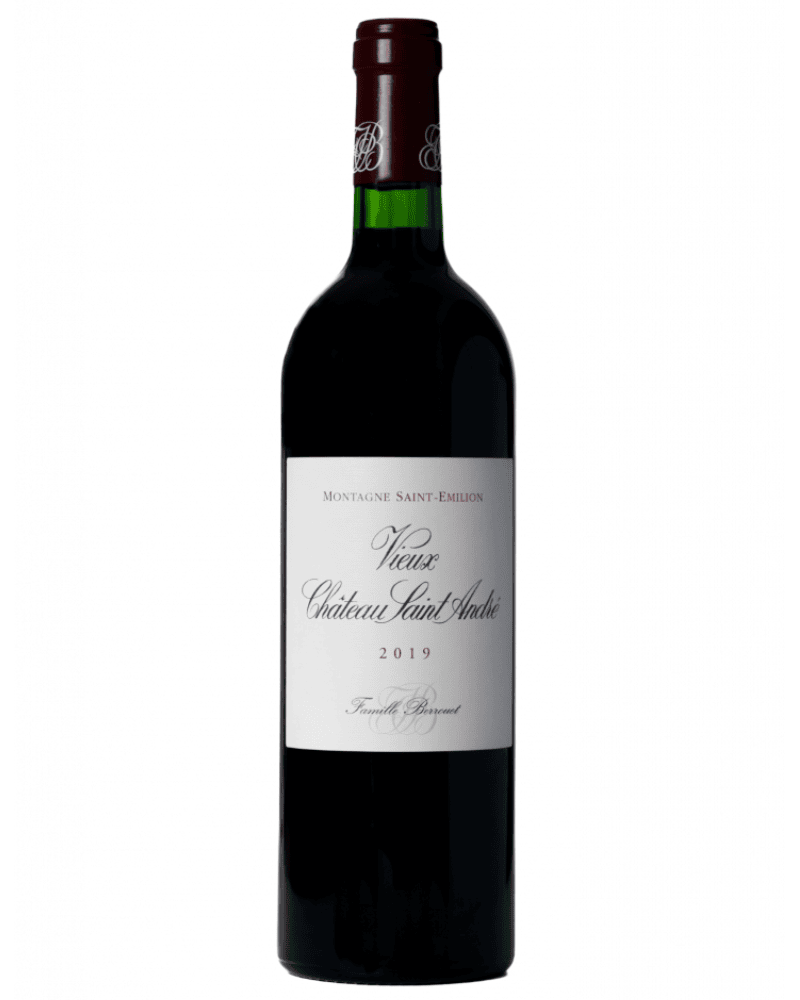
Jean-Claude also cultivates his own vision through the family’s personal estates. Château Samion in Lalande-de-Pomerol, acquired in 1982, is plush and generous — a warm embrace of Merlot. Meanwhile, Vieux Château Saint André in Montagne-Saint-Émilion, with its classic structure and freshness, speaks of tradition and restraint. His second son, Jean-François Berrouet, now oversees both estates with the same integrity and finesse inherited from his father.

Both wines are available through us — two understated yet noble expressions of a family philosophy deeply rooted in authenticity and terroir. In 2019, they also acquired 2 other estates Château Bonneau and Hyon la Fleur.

To meet Jean-Claude Berrouet is to encounter a rare kind of humility — one that comes only from a lifetime of listening to the land, and from the joy of quietly shaping some of the world’s most treasured wines. His wisdom is shared generously, without affectation, and always with that gentle voice — a voice that has helped define the soul of Pomerol.

BLIND TASTING: WINE’S ULTIMATE GAME OF TRUTH

BLIND TASTING:

WINE’S ULTIMATE GAME OF TRUTH

Of all the ways to taste wine—by theme, by region, by grape variety or vintage—blind tasting is often hailed as the gold standard. Why? Because it strips away every influence: no label, no bottle shape, not even a clue from the cork or screwcap. It’s just you and your senses. No safety net.

Yes, it’s hard. Yes, it’s humbling. But it’s also a brilliant exercise—whether you’re training your palate or simply putting your confidence to the test. And let’s be honest, it’s way more fun when a humble unknown wine steals the show from a big-name bottle.

At Classic Vins, we taste wines blind a lot (no surprise there!). It sharpens our judgment, reveals hidden gems, and—most importantly—helps us decide if a wine delivers real value and real pleasure. Because that’s what we care about: is it worth your money?

But here’s where it gets interesting. Blind tasting isn’t always as objective as it seems. Why?

  1. The Wine Itself Changes.
    Even the same wine, same producer, same vintage, can taste different from one bottle to another. Age adds more variability. And if you’re opening it on a stormy Tuesday versus a sunny Friday… well, some blame the atmospheric pressure. Others swear by the Biodynamic calendar. Whatever the cause, wine is alive—and unpredictable.

  2. The Taster Changes Too.
    Even pros aren’t immune to their own moods. A bad night’s sleep, a stressful morning, or even the weather can subtly shift perception. One day it’s a beauty, the next day it’s “meh.” The truth? We’re only human.

So while blind tasting is a powerful tool, it’s also a humbling reminder: wine is not a science, it’s a living art.

Cheers to discovering wines with open minds (and covered labels)!

Ribeira Sacra: Spain’s Next Cult Wine Region?

Ribeira Sacra: Spain’s Next Cult Wine Region?

Tucked away in the dramatic canyons carved by the Sil and Miño rivers, DO Ribeira Sacra is one of Spain’s most breathtaking and historically rich wine regions. Its steep, terraced vineyards—shaped by centuries of monastic viticulture—are a testament to human determination and respect for nature.

But this isn’t just about ancient roots. Ribeira Sacra is on the rise. With its mosaic of minifundios, rare indigenous grape varieties (some shared with neighboring Portugal), and an increasingly vibrant winemaking culture, this region is drawing comparisons to what Priorat was two decades ago: rugged, authentic, and full of potential.

Not long ago, the wines here were rustic and forgettable. Today, thanks to meticulous vineyard work and refined winemaking, they’re expressive, pure, and full of life.

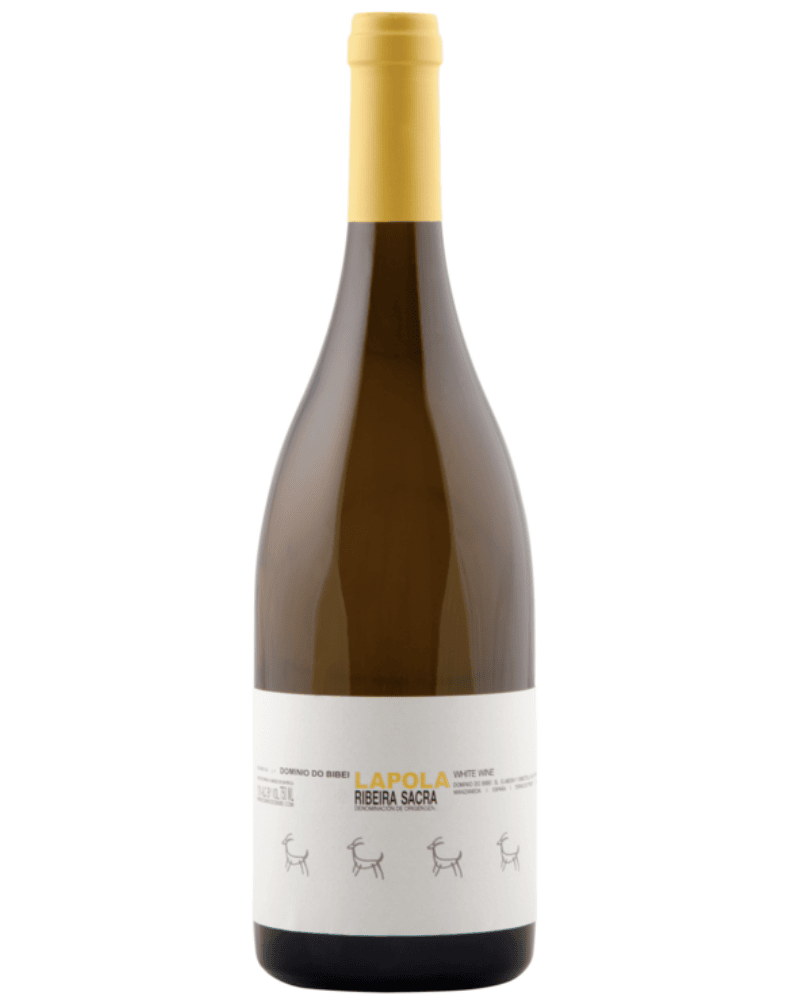
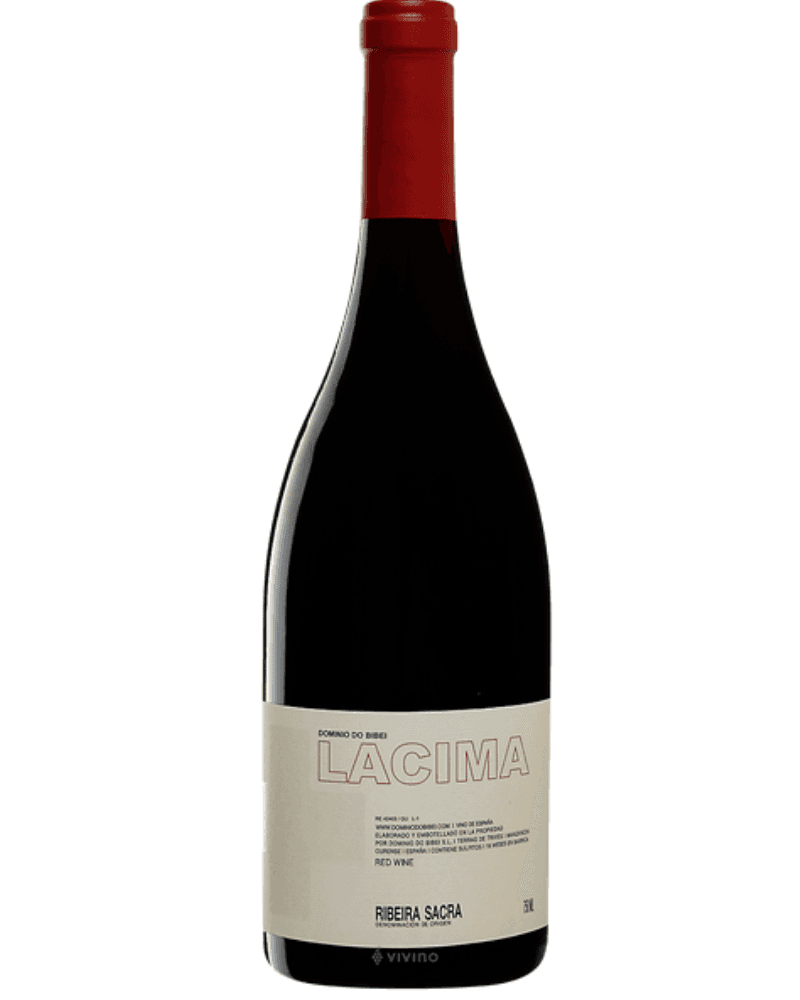
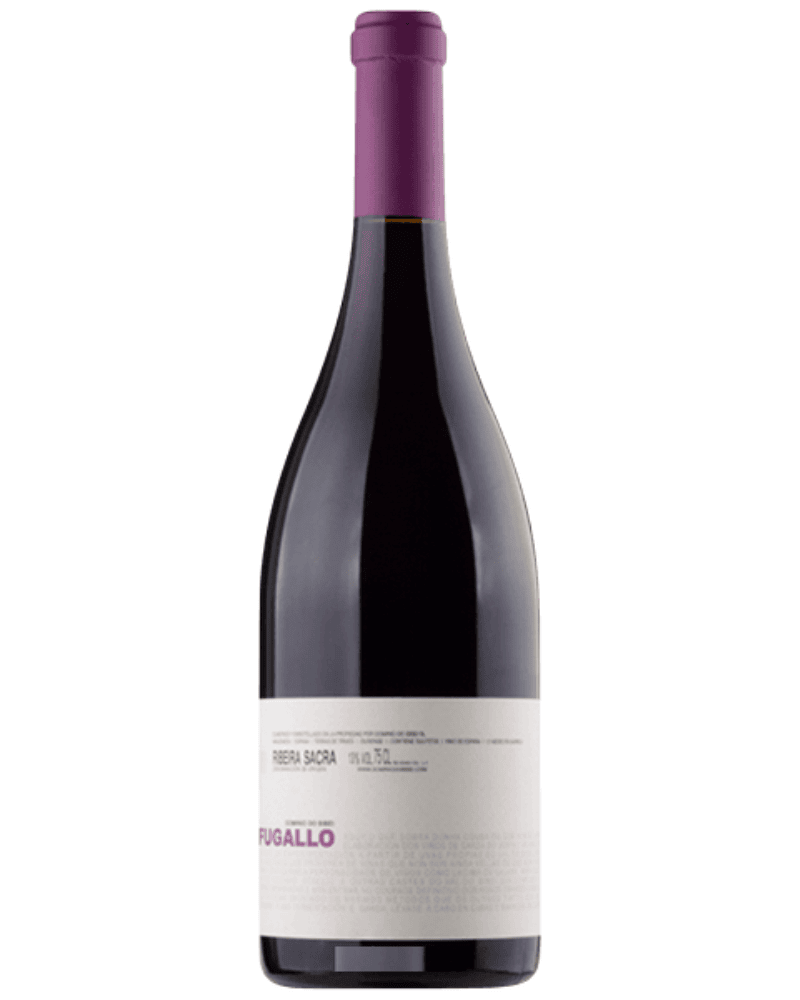
One estate leading the charge? Dominio do Bibei. Their wines are absolutely electrifying—from the silky, terroir-driven Lalama, to the elegant Lacima, and the textural, mineral Lapola. These are wines that speak softly but leave a deep impression.

And for something more casual yet utterly delicious, don’t miss Refugallo—their juicy, aromatic red made for summer BBQs and long nights. The name means “the leftovers,” but make no mistake: this bottle punches way above its price tag.

Ribeira Sacra isn’t the future of Spanish wine—it’s the now.

Go to Top