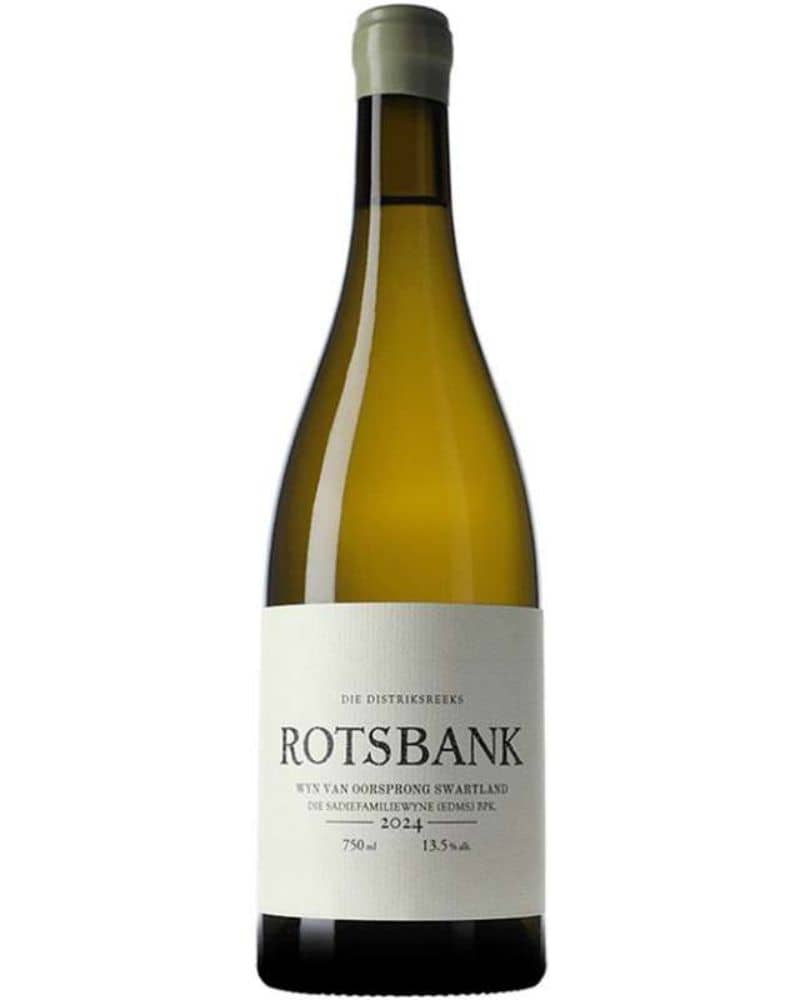
Rotsbank

75.00 

Rotsbank, Eben Sadie Family

100% Chenin Blanc

12 months in Old Foudres

VINIFICATION

After harvesting, the grapes are placed in a cooling room to reduce the temperature since the average temperatures are often 35 degrees or more – pressing warm grapes comes with its series of problems. We then do whole bunch pressing, a process that takes about 3 hours, during which time there is a margin of settling of the juice in the collecting tank. The juice is then transferred to two old foudres for fermentation.
AGEING

The wine is left in a cask on the fermentation lees for the first 12 months, and we bottle from the lees. Only about 60ppm of sulphur is added two weeks before bottling.
NOTES

The Rotsbank vineyard is located in the Paardeberg in the Aprilskloof on a rock shelf that barely has 30 – 50 cm of soil in most parts. It is incredible to think that this vineyard survives year after year. Many of the roots in the soil have found cracks in this rock shelf, and the limited natural growth of this vineyard makes for incredibly concentrated fruit. Since 2008 we have wanted to produce a Swartland Chenin Blanc, but the 2022 vintage materialised as the first after we were very fortunate to purchase the vineyard.
Description

Rotsbank

Eben Sadie Family

100% Chenin Blanc

12 months in Old foudres


In the cellar, the entire process from grape to wine has been simplified to its most basic steps, and all the wines, both white and red, are vinified similarly. The whites are whole-cluster pressed and left to settle for 12 hours. As minor settling is completed, we transfer the white juice to concrete and old wooden casks with high turbidity levels. The white juice is left to start its fermentation, and we will, for the first time, add 40 ppm of sulfur after the malolactic fermentation is complete. In some vintages, malolactic fermentation is completed relatively early, while in others, it may only be halfway complete by the following spring.

The whites are left on the lees till bottling. For the reds, we have 30% of the tanks filled with whole clusters and 70% of destemmed grapes. The fermentations can take anywhere from 7 to 10 days to commence, and then we start with one very small “bucket-over” daily, just wetting the cap of the grapes on top of the fermenting tank. We usually leave the reds on the skins for  month and then basket press to concrete tanks or old foudres.

The reds stay on the lees until the next Spring, and then we rack them off the lees to allow for final settling before bottling, as we bottle without filtration.


Go to Top