When Wine Tastes Like Stone… Or Does It?
Few words have fascinated the wine world as much as minerality. So much so that many producers have gone one step further and named their wines after minerals, rocks, or geological formations. It’s a powerful statement: a way of anchoring a wine to its origin, to the land, to something ancient and immutable.
But let’s pause for a moment.
When growers speak about “soil,” they rarely mean soil as a whole, complex system. More often, the focus narrows to mineral content—limestone, granite, schist—while many other critical parameters quietly step aside: pH, water availability, microbial life, insects, fungi, soil compactness, oxygen exchange… the living, breathing ecosystem beneath the vine.
And yet—this matters—we should never dismiss the grower’s intuition.
As farmers, vignerons develop an intimate, long-term relationship with their plots. Year after year, they observe how vines behave across different sites: the timing of budburst, flowering, nouaison, véraison, and ripening. They see how acidity holds, how sugars accumulate, how phenolic maturity evolves, how aromatic precursors express themselves. This empirical knowledge is not lab science—but it is data, gathered through lived experience.
So yes, it entirely makes sense that growers recognize certain sites as more special than others.
What science has not been able to demonstrate—despite decades of research—is a direct link between the mineral composition of a soil and the taste of a wine. No peer-reviewed paper has proven that limestone tastes “chalky” in the glass, or that granite transmits itself as tension or salinity.
Even more provocatively: the so-called “mineral” aromas sometimes found in wine are not minerals at all. They are often sulfur compounds produced by yeasts during alcoholic fermentation.
And yet… the wines remain compelling.
Because naming a wine after a rock is less about chemistry and more about identity. It’s a way of saying: this place matters.
Here are a few producers who wear their geology proudly on the label:
-
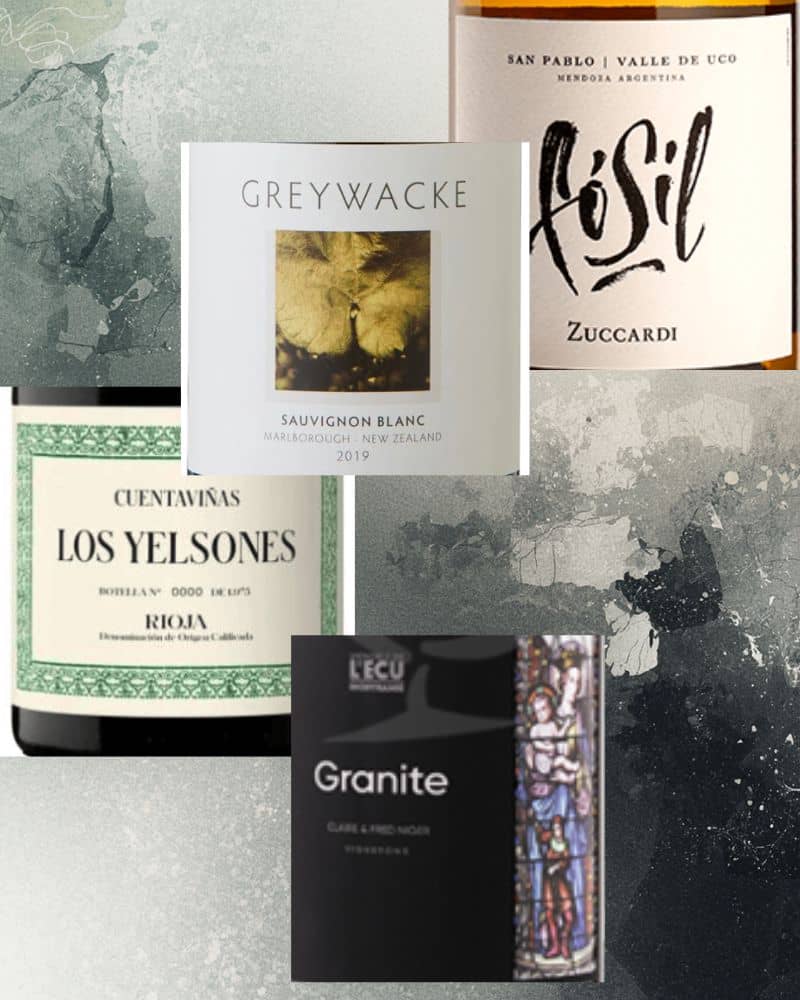
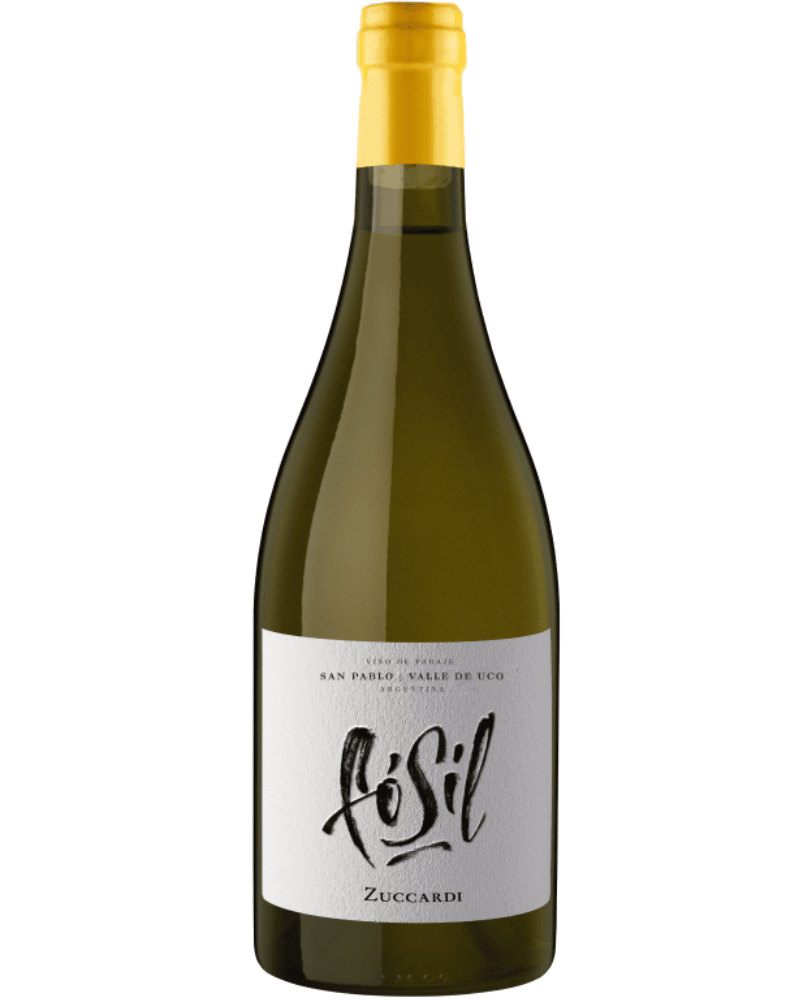
Zuccardi Fósil Chardonnay (Argentina)
A laser-blade Chardonnay: intense yet energetic, citrus-driven, precise, and profoundly vertical. A wine that feels sculpted rather than built. -
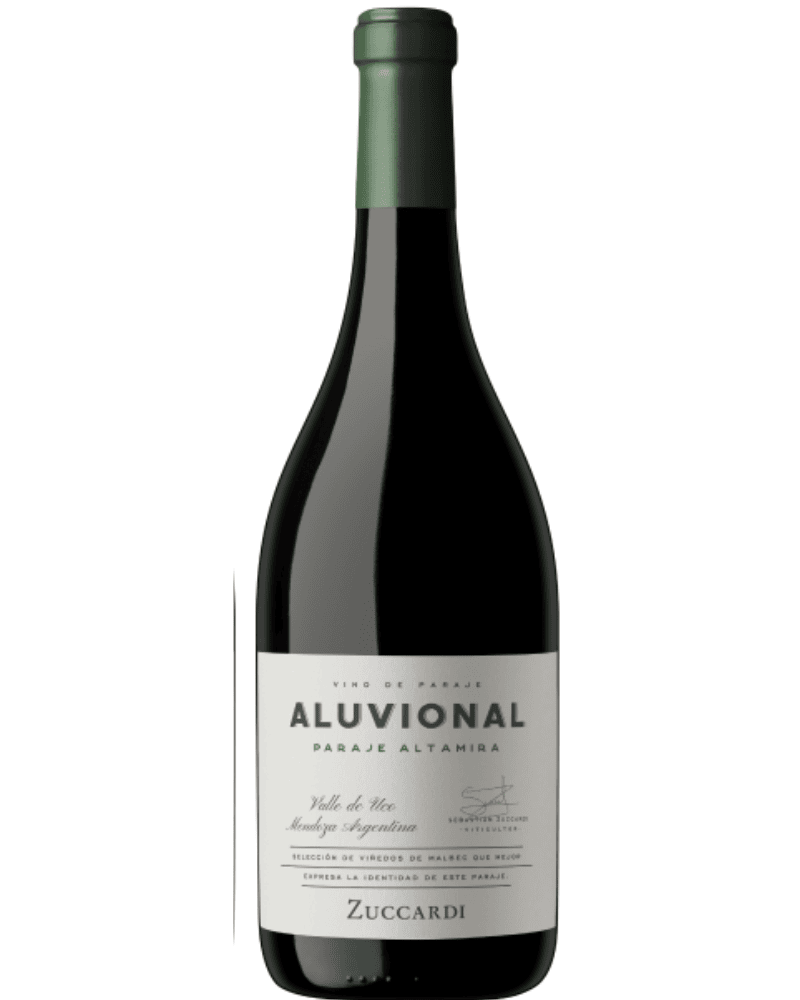
Zuccardi “Alluvial” Series
A clear reference to sedimentary origins and site expression, explored through different vineyards and textures. -
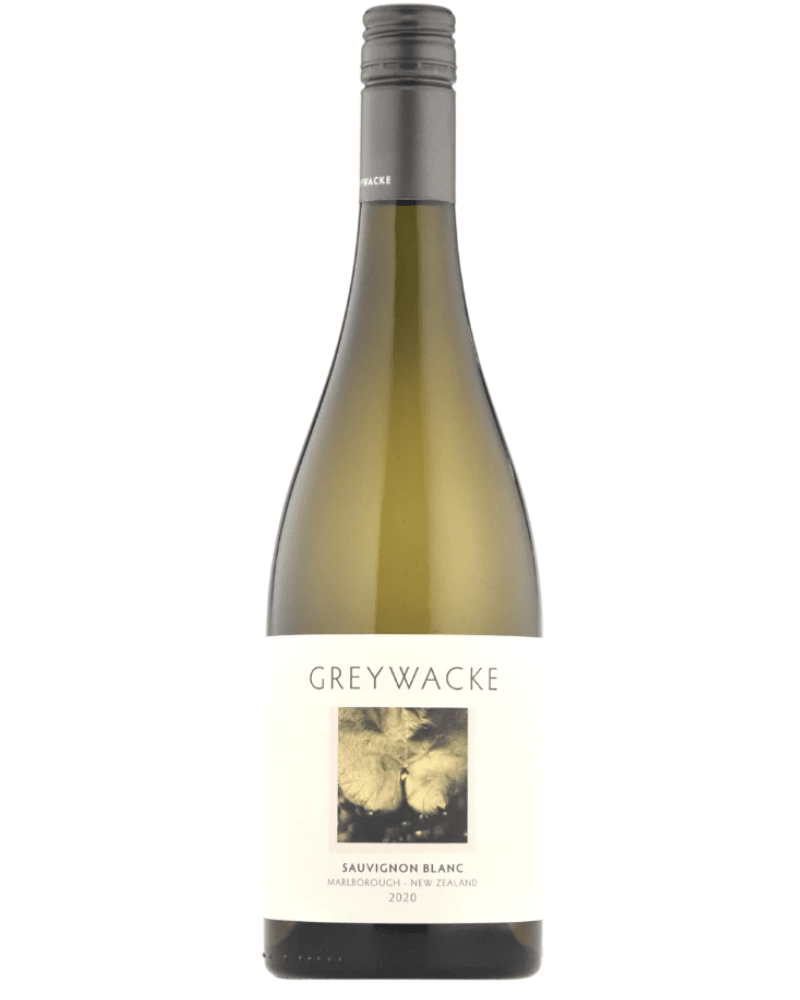
Greywacke Estate (New Zealand)
Named after a well-known sedimentary rock, this now-iconic estate expresses tension, purity, and restrained power—very much in line with its geological inspiration. -
Domaine de l’Ecu (Loire Valley)
A deeply artisanal estate that pushes parcel differentiation to the forefront. Their Melon de Bourgogne cuvées Granite and Orthogneiss are as much philosophical statements as they are wines. -
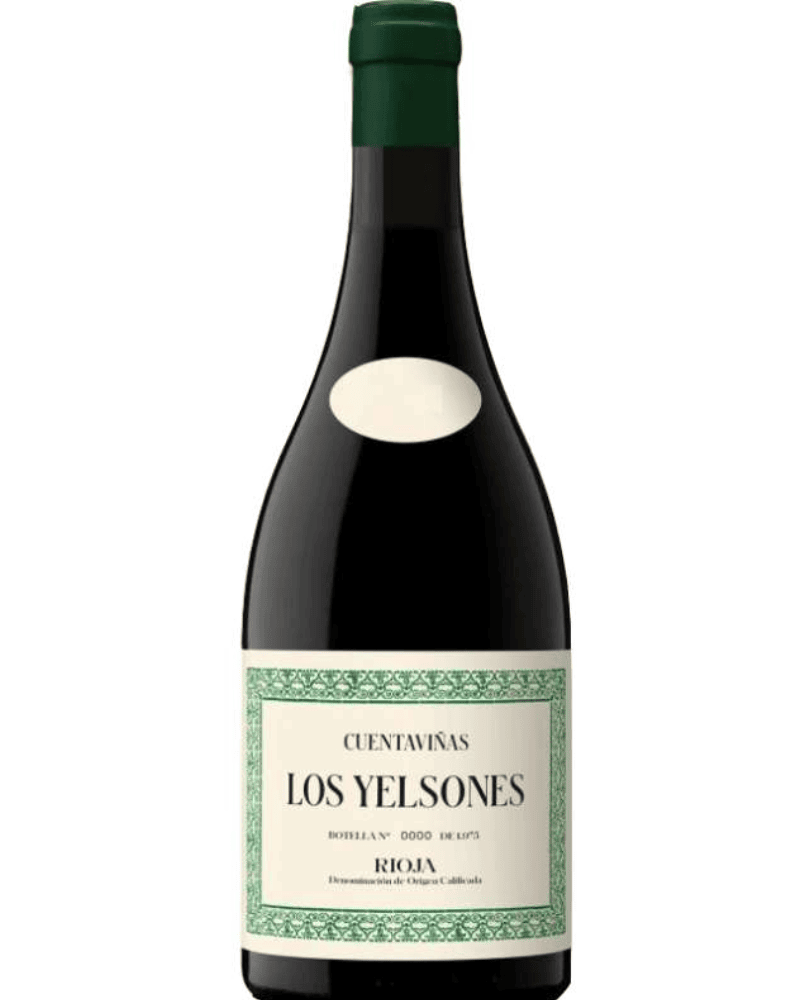
Los Yelsones – Eduardo Eguren (Rioja)
With a vision closer to Burgundy or Barolo than classic Rioja, Eguren names this wine after calcareous rounded stones found in the vineyard—another nod to place over recipe.
So, do these wines taste like rocks?
No.
Do they taste like somewhere? Absolutely.
And perhaps that’s the real value of minerality—not as a literal translation of soil into flavor, but as a poetic language growers use to express their most intimate understanding of place.