Skip the Traffic: Free Home & Hotel Delivery Across the Principality
Skip the Traffic: Free Home Across the Principality
-
- Andorra la Vella & Escaldes-Engordany
- La Massana, Arinsal & Ordino
- Encamp, Canillo & Soldeu
Few words have fascinated the wine world as much as minerality. So much so that many producers have gone one step further and named their wines after minerals, rocks, or geological formations. It’s a powerful statement: a way of anchoring a wine to its origin, to the land, to something ancient and immutable.
But let’s pause for a moment.
When growers speak about “soil,” they rarely mean soil as a whole, complex system. More often, the focus narrows to mineral content—limestone, granite, schist—while many other critical parameters quietly step aside: pH, water availability, microbial life, insects, fungi, soil compactness, oxygen exchange… the living, breathing ecosystem beneath the vine.
And yet—this matters—we should never dismiss the grower’s intuition.
As farmers, vignerons develop an intimate, long-term relationship with their plots. Year after year, they observe how vines behave across different sites: the timing of budburst, flowering, nouaison, véraison, and ripening. They see how acidity holds, how sugars accumulate, how phenolic maturity evolves, how aromatic precursors express themselves. This empirical knowledge is not lab science—but it is data, gathered through lived experience.
So yes, it entirely makes sense that growers recognize certain sites as more special than others.
What science has not been able to demonstrate—despite decades of research—is a direct link between the mineral composition of a soil and the taste of a wine. No peer-reviewed paper has proven that limestone tastes “chalky” in the glass, or that granite transmits itself as tension or salinity.
Even more provocatively: the so-called “mineral” aromas sometimes found in wine are not minerals at all. They are often sulfur compounds produced by yeasts during alcoholic fermentation.
And yet… the wines remain compelling.
Because naming a wine after a rock is less about chemistry and more about identity. It’s a way of saying: this place matters.
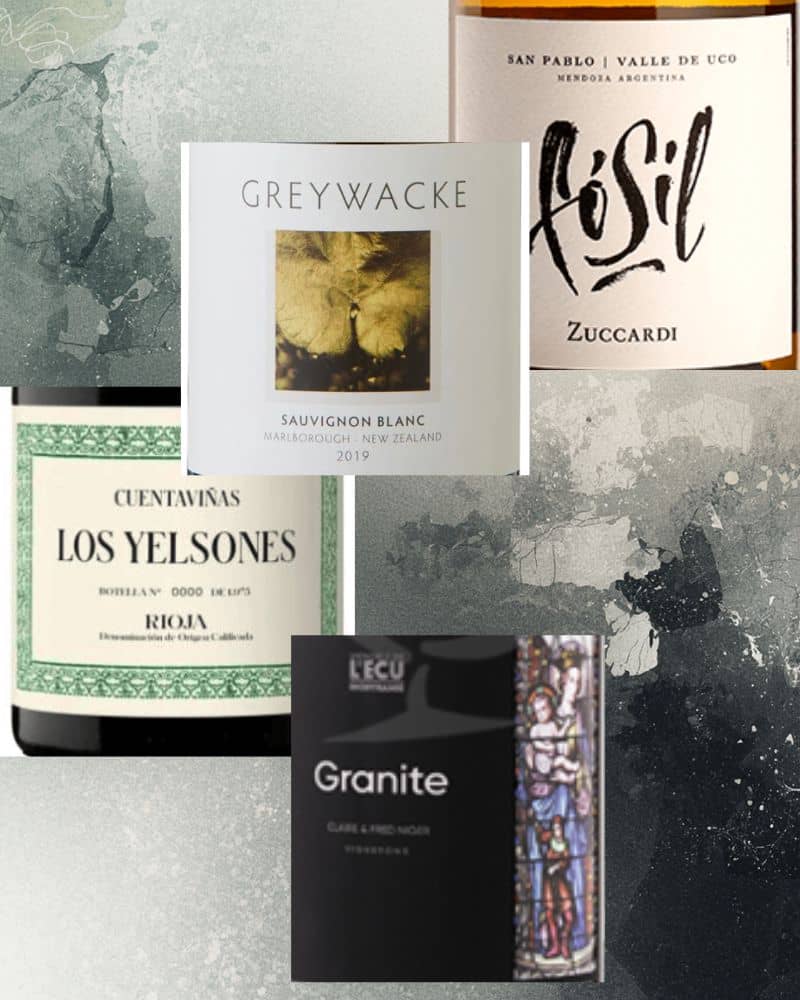
Here are a few producers who wear their geology proudly on the label:
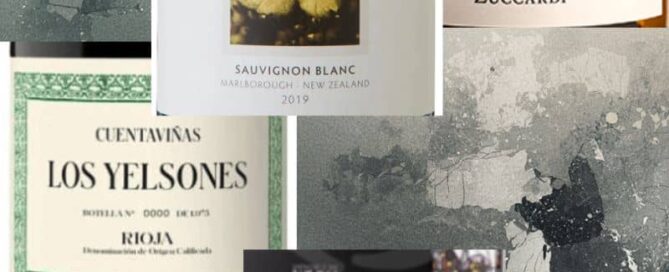
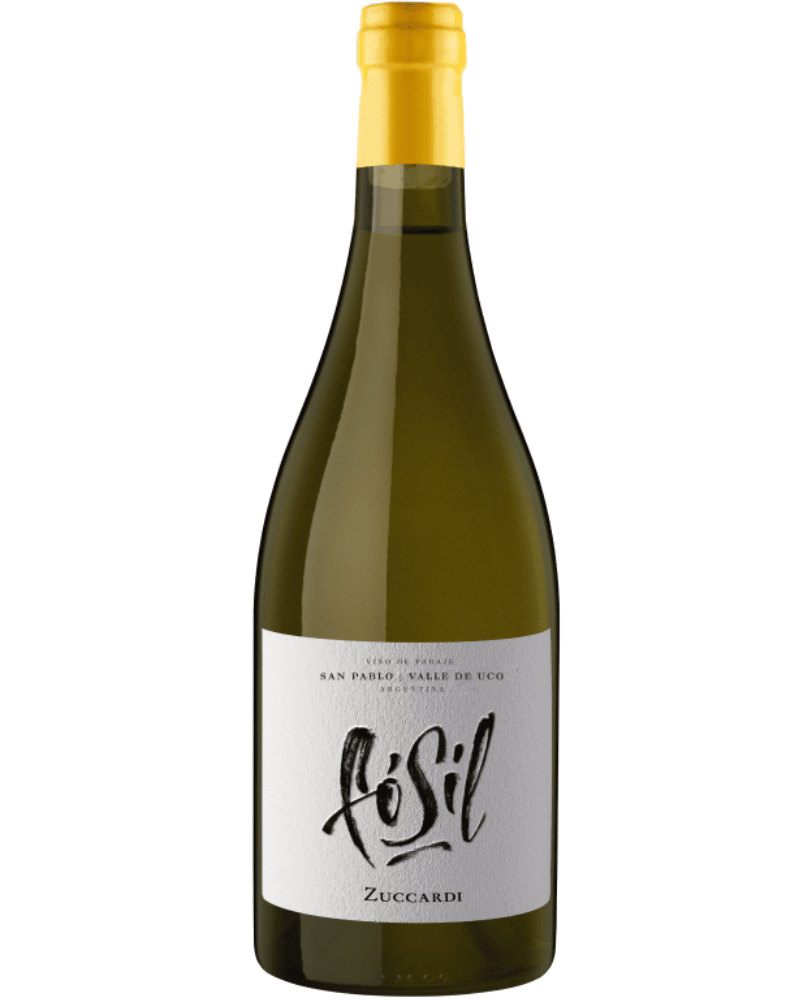
Zuccardi Fósil Chardonnay (Argentina)
A laser-blade Chardonnay: intense yet energetic, citrus-driven, precise, and profoundly vertical. A wine that feels sculpted rather than built.
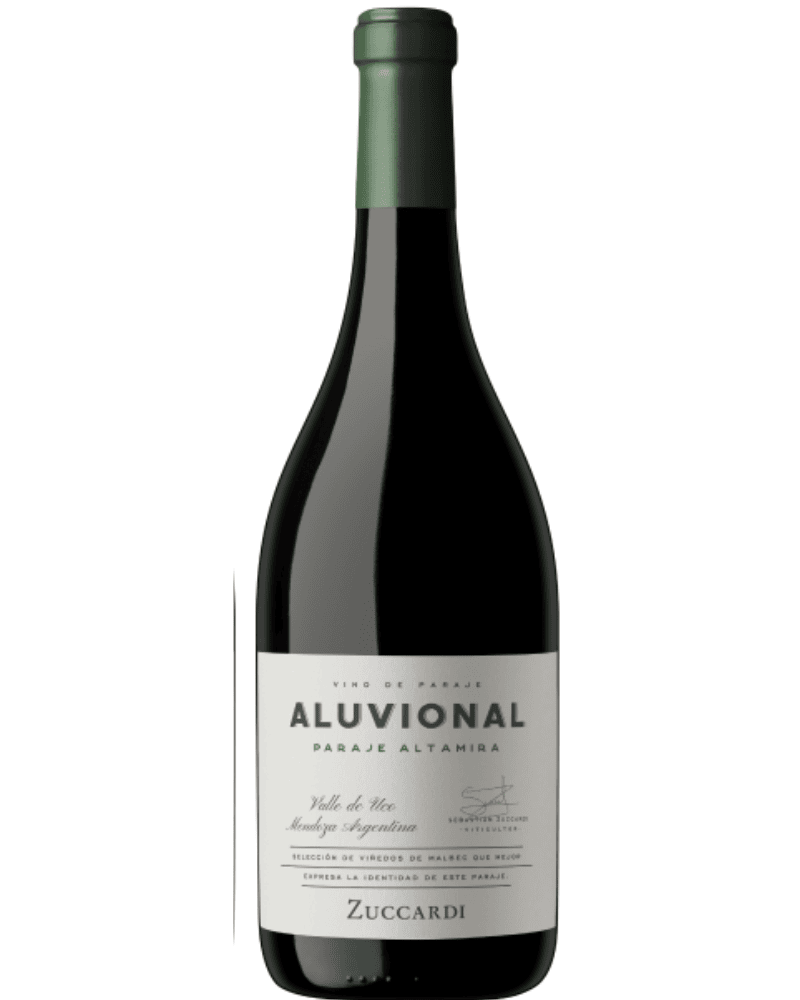
Zuccardi “Alluvial” Series
A clear reference to sedimentary origins and site expression, explored through different vineyards and textures.
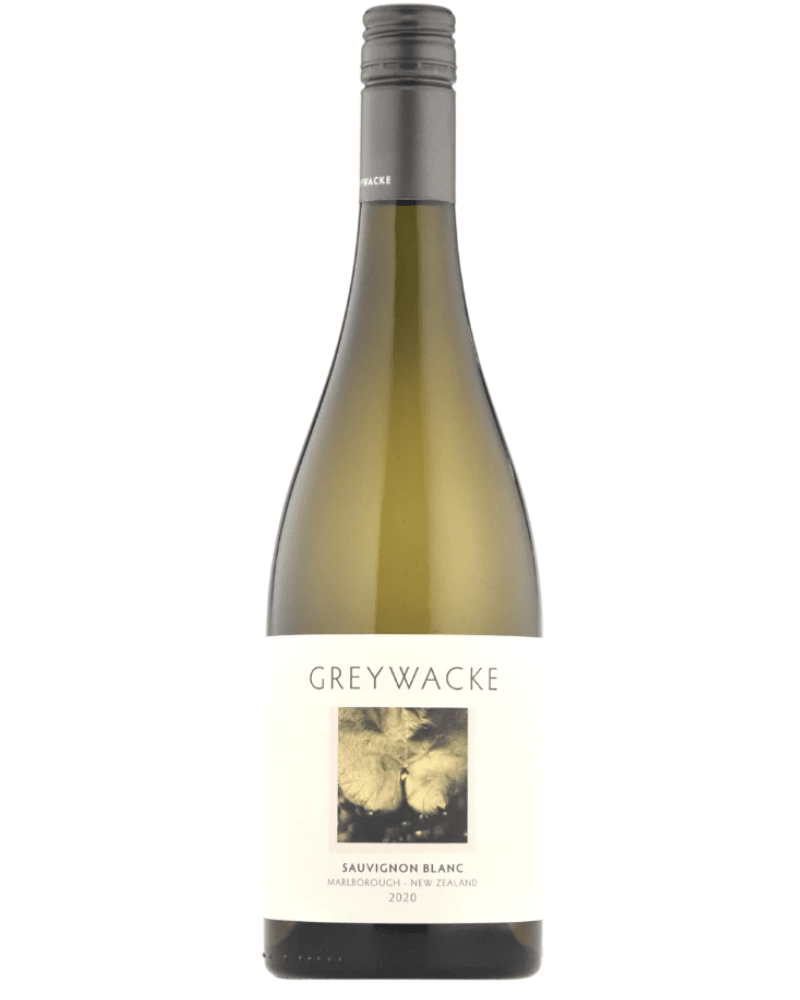
Greywacke Estate (New Zealand)
Named after a well-known sedimentary rock, this now-iconic estate expresses tension, purity, and restrained power—very much in line with its geological inspiration.
Domaine de l’Ecu (Loire Valley)
A deeply artisanal estate that pushes parcel differentiation to the forefront. Their Melon de Bourgogne cuvées Granite and Orthogneiss are as much philosophical statements as they are wines.
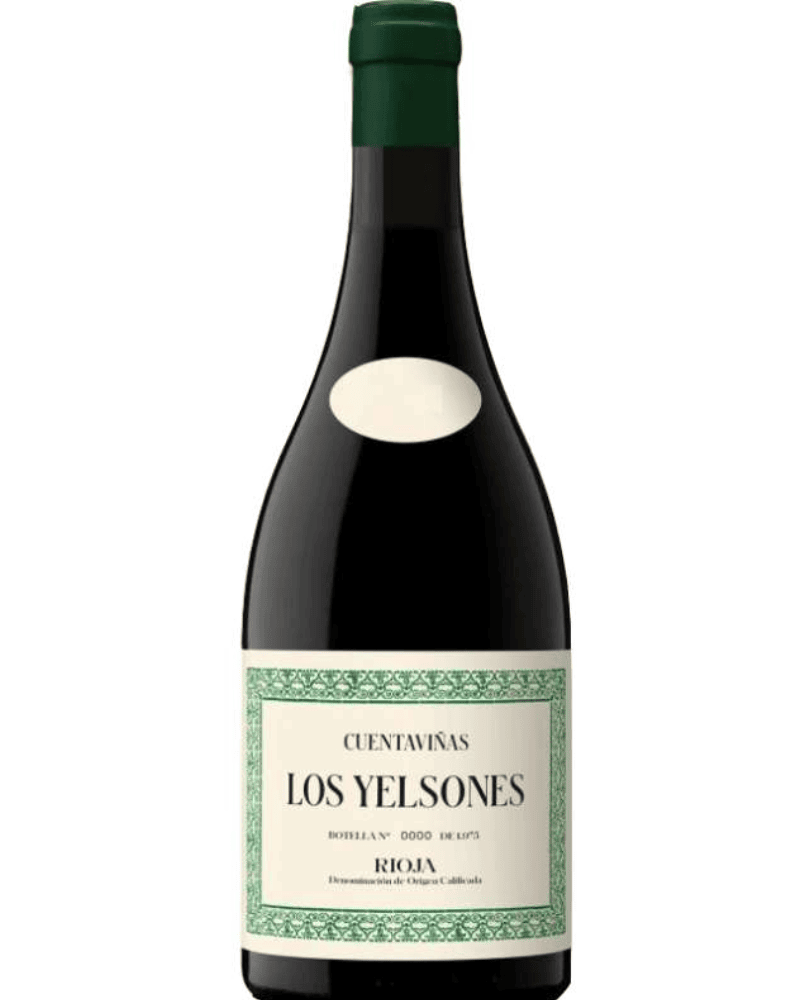
Los Yelsones – Eduardo Eguren (Rioja)
With a vision closer to Burgundy or Barolo than classic Rioja, Eguren names this wine after calcareous rounded stones found in the vineyard—another nod to place over recipe.
So, do these wines taste like rocks?
No.
Do they taste like somewhere? Absolutely.
And perhaps that’s the real value of minerality—not as a literal translation of soil into flavor, but as a poetic language growers use to express their most intimate understanding of place.
Last night, we had a lovely event at Odetti Bistro, in Escaldes-Engordany. The venue is great, cosy and spacious and the food as stunning. On the top of it, Jose Antonio Guillermo (the Owner) has been helped by friends such as Pere Canturri (pollastre Can Tu), Sasa (used to own Celler d’en Toni), Juan Carlos (grupo Japomex, Adelita, San Telmo), and also Juan, co-owner and the Chef from Dylan’s in el Tarter.
We had several tables of 2, 4 and 2 tables of 5 persons.
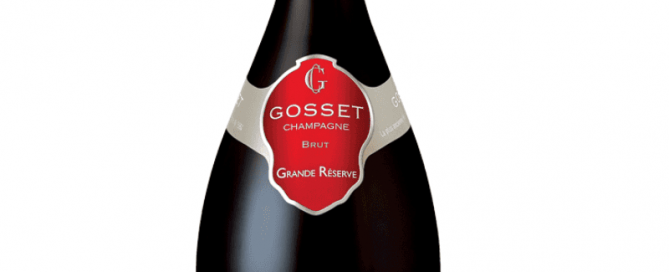
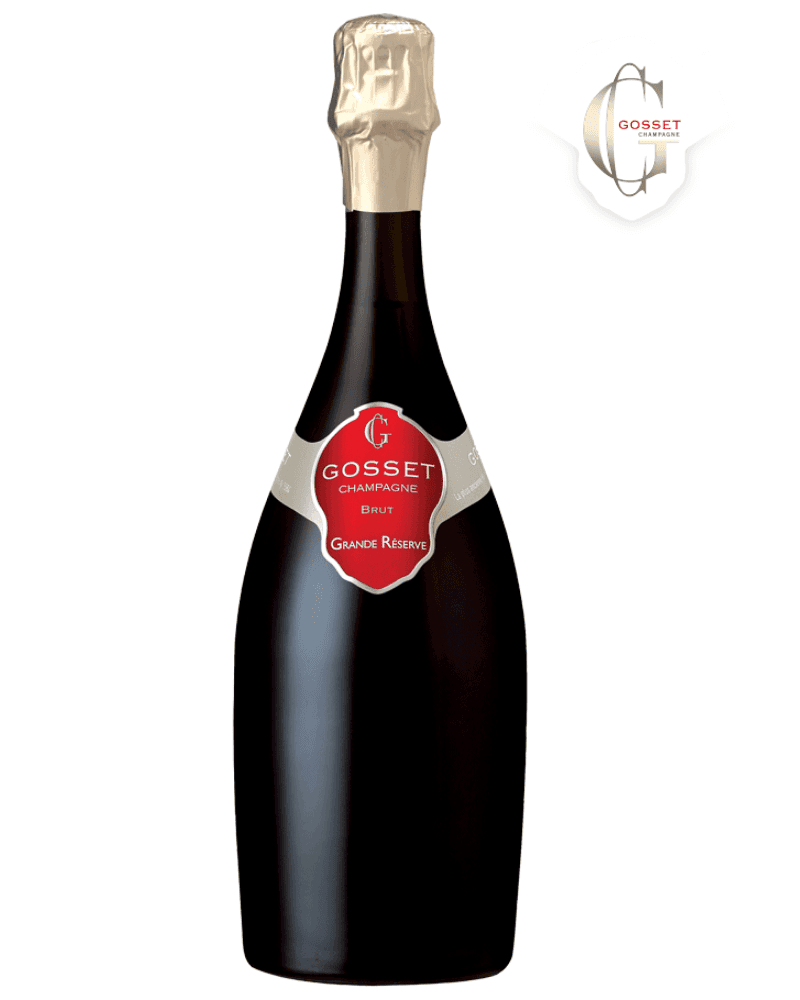
Champagne Gosset Brut Réserve has been the first glass we served to our guests. The bubbles is fine, the style is crisp and fresh, but don’t get fooled, it is aged 3 years on the lees, and it has layers and layers of elegant complexity. Bready, muesli, Honey, White prunes. Just like the very confidential Champagne Salon, Champagne Gosset do not make use of malo-lactic fermentation.
It was served, with a terrine of Foie Gras with apples in 3 textures (Creamy, Roasted and Crispy). Very interesting match, as the acidity of the apples brought freshness to the dish, and made the right connection with the Champagne.
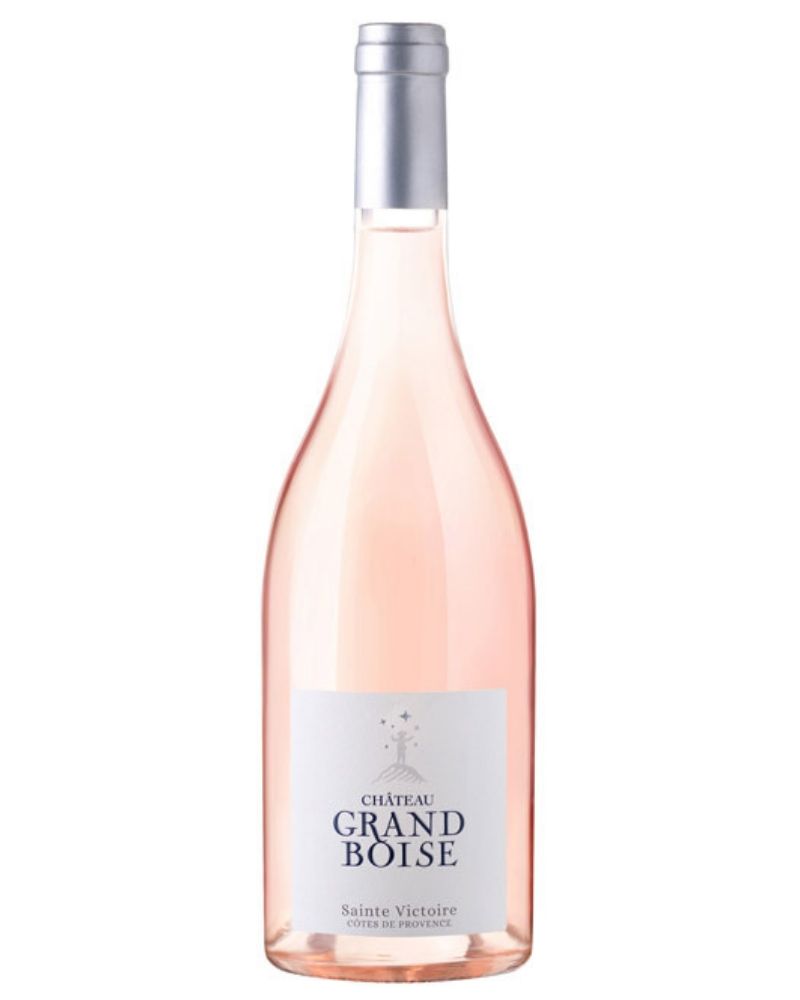
After, we travelled to Provence where 89% of the production is dedicated to rose, and just a little 4% to white wine. So it becomes pretty clear that white wine from the area is a rarity. Château Grand Boise is located, away from the coast, inland close the Sainte-Victoire mountain. Actually, very close from a tiny Aoc Called Palette!
They work organically, and produce mostly rosé, what a surprise! Although they owned a small north-facing parcel, planted with Rolle or Vermentino, which produce a delicious, crisp and aromatic white wine, that has a lovely texture. Grapefruit, herbal infusion and watermelon on the nose, the palate is fresh, but not acidic, medium-bodied it is concentrated but not oily. It is persistent, elegant with some rooty/gentiane character. Long finish, gentle saltiness.
Scallops were served with this wine, and this was a mind-blowing food-match.
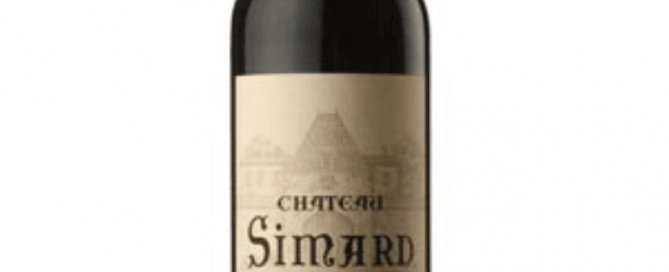
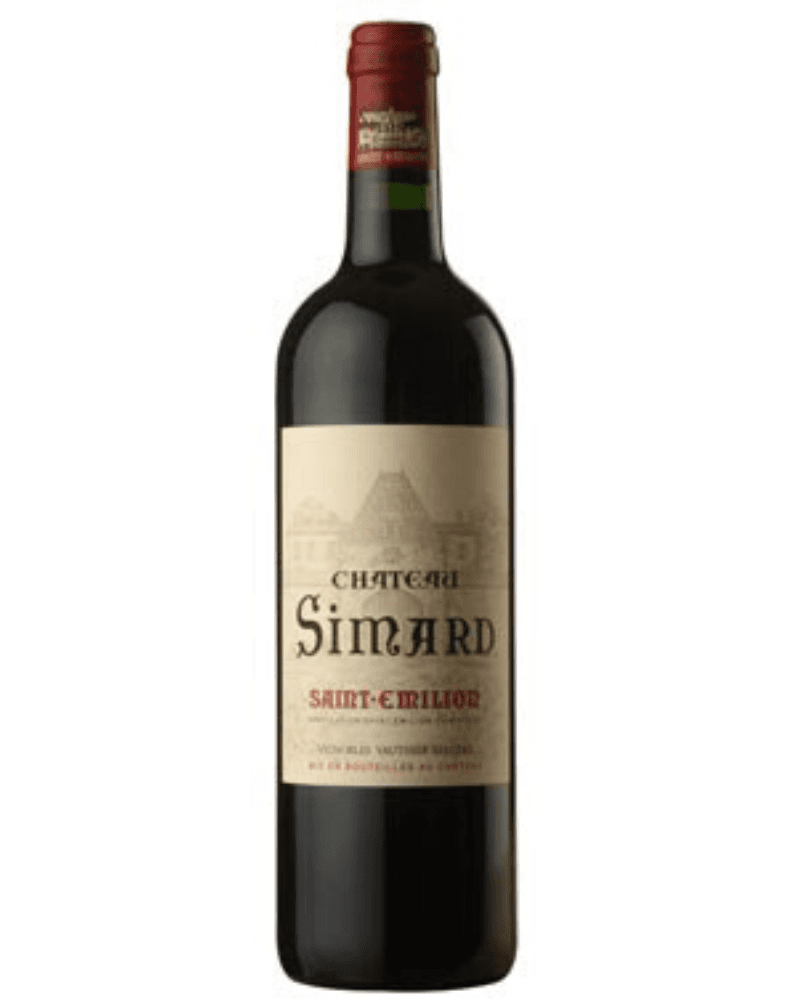
The main course was a stew, pork’s cheeks with a creamy pumpkin purée, rich and savory! Château Simard, a Grand Cru Classé from Saint-Emilion was showing particularly well! A fairly modern Bordeaux, as it is fetching 14% of alcohol, so yes it is ripe but not jammy. The oak treatment is subtle, and stays behind. It is fluid, although young as it is a 2015, the tannins were tamed by the slightly concentrated sauce.
The well-exposed Château Simard is owned by the Vauthier’s Family, and although Pascal Delbeck used to work there as an oenologist, now Pauline Vauthier takes care of the winemaking process. The Great and world sought-after Château Ausone, situated just above Ch. Simard on the plateau, belongs to the Vauthier Family, as Château Fonbel.
Then, we had a delicious desert with different texture and color. A pleasure for the eye, but not solely ;-))
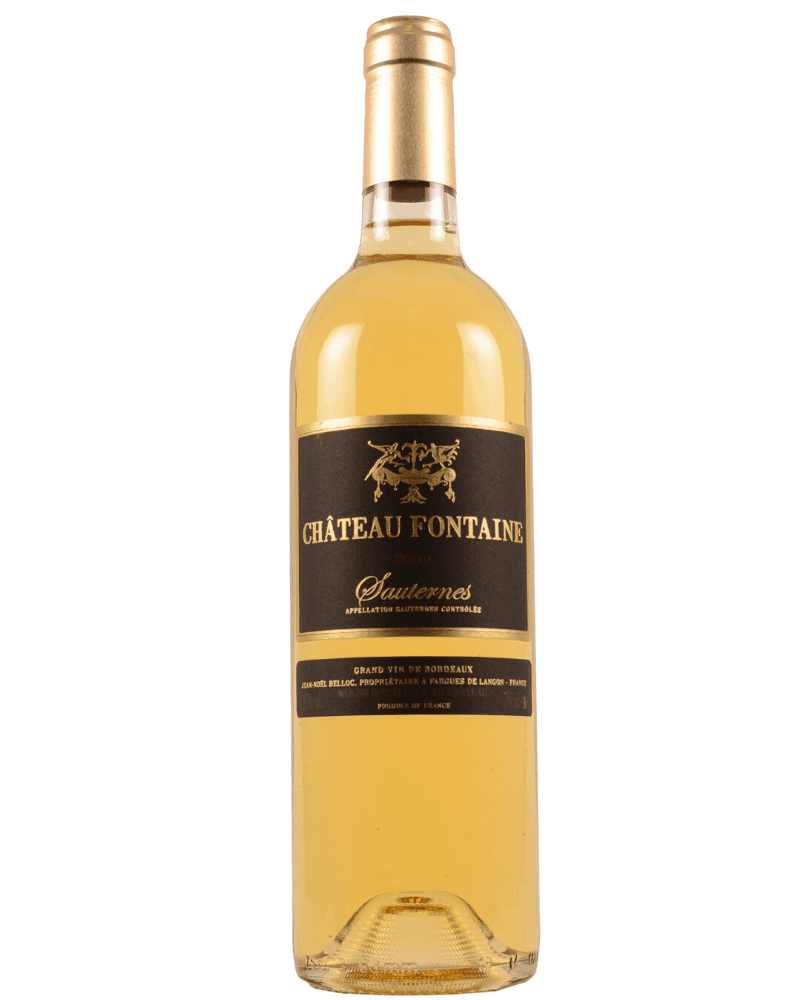
Château Fontaine 2016, from Sauternes and more exactly from the Fargues’ commune, was a tremendous choice to match our last dish. Rich, full-bodied, clearly Botrytis-affected on the nose it still offers freshness, the residual sugars are not overwhelming and are really well balanced. Apricot, honey, the mushroom character mixed with spices such as cinnamon, also noted in great sweet wines from Burgenland in Austria or Tokaji in Hungary, proved that Ch. Fontaine is truly a fine wine to discover.
Again, we must thank Jose Antonio and his Team (Anna and Cathy). A last word or comment about the very quiet «Pita», who works in the kitchen, and was in charge of the fabulous Foie Gras! What a good job! every single guest has enjoyed our evening of fine cooking and special wines.

Next week, we will organize tutorial tasting on-line. which will cost 115 euros, more or less for a case of nine wines.
The format would be a 30/40 minutes video through ZOOM, while tasting 3 different wines. The main idea is to do something entertaining and fun while we are stuck at home. We designed 3 themes, although, if you think you have better ideas, well, they are welcome!
Basically, learning the great differences (body, acidity, texture, dryness, intensity, flavor…) between cool to warm climate.
1 mediterranean wine, 1 continental, 1 Atlantic (maritime)
Here, the idea is to discover what Garnacha has to offer. We will discuss its capacity to produce very different wines. From white, rosé, light simple and highly reliable red to superb intense beauty, sweet and fortified…
3 Grenache wines from different places.
Hopefully, soon we will be able to socialize around a great event such as a nice BBQ in our Andorra Mountain… But to make the most of it you need the appropriate wines. Here, we discuss what could be your best choices.
1 – White – 2 reds
Please let us know if you are interested by calling us on the 368 363 or just order the Confined Wine Box
Due to Covid-19, we are all stuck at home. Let’s do some E-tasting!
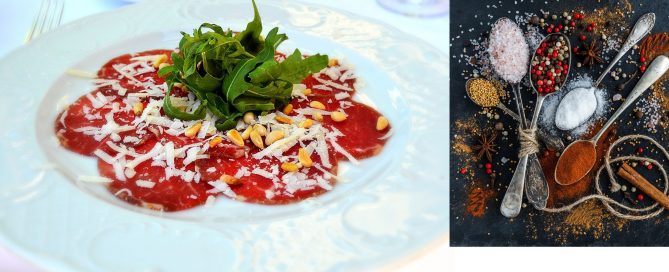
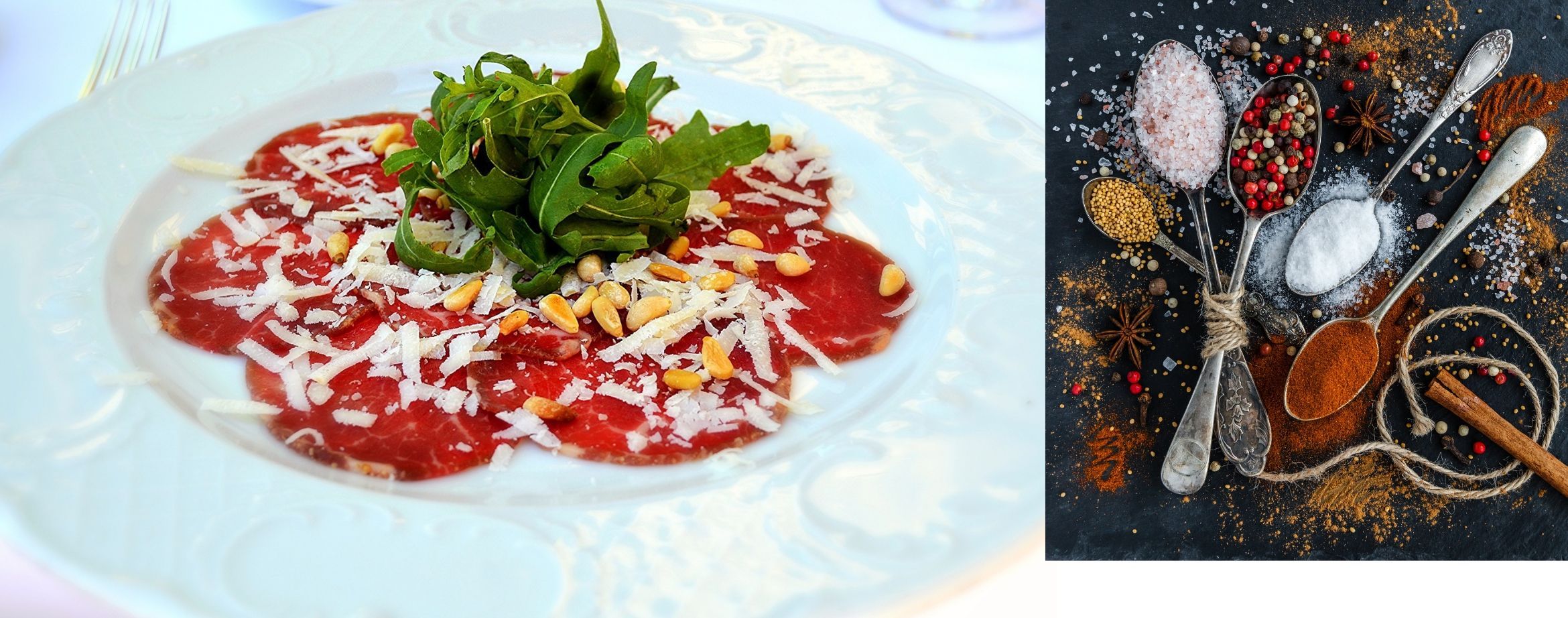
Today we thought we could challenge us. On one side we have the delicate Beef Carpaccio and on the other side, we have the savory and intense steak tartare. Both raw, though!
Lalama, a mencia blend from Ribera Sacra in Galicia. It is complex, intense but not tiring, very fresh thanks to its atlantic influence.
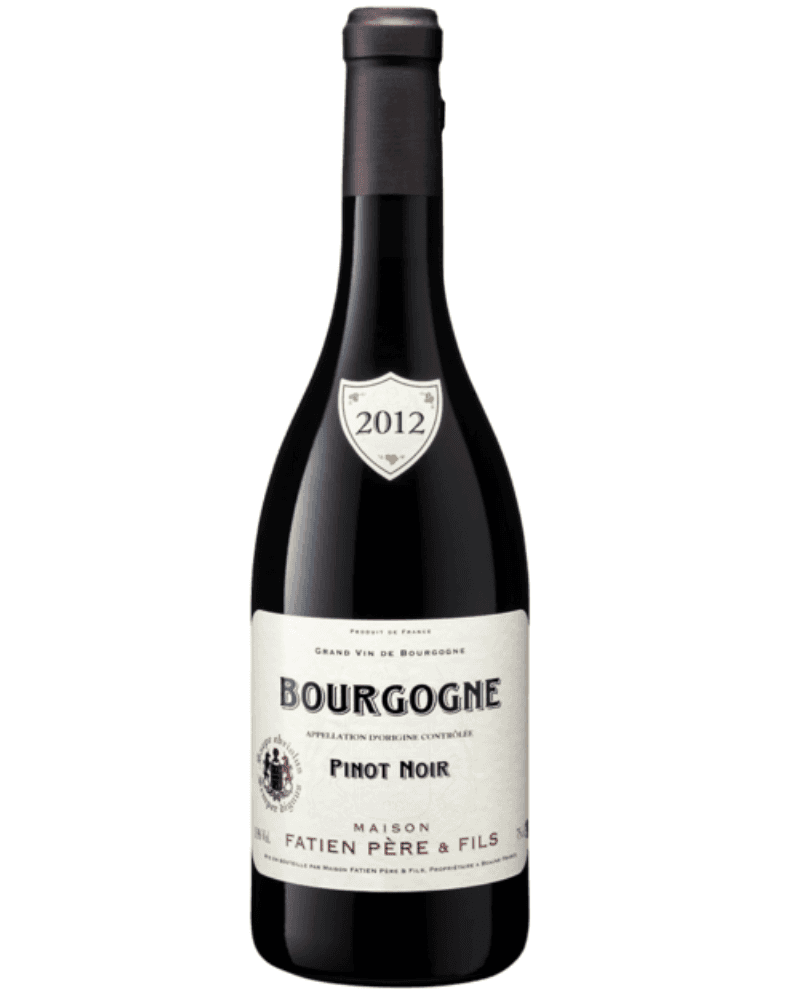
Bourgogne Maison Fatien, a Pinot noir fine and elegant that has enough structure to stand a dish like this one. Perfumed, polished tannins, and a touch of leatheryness
Manganite from Vignes du Mayne in Macon. 100% gamay, a juicy but serious wine. Fresh and complex. This will be a great experience. (low avaibility)
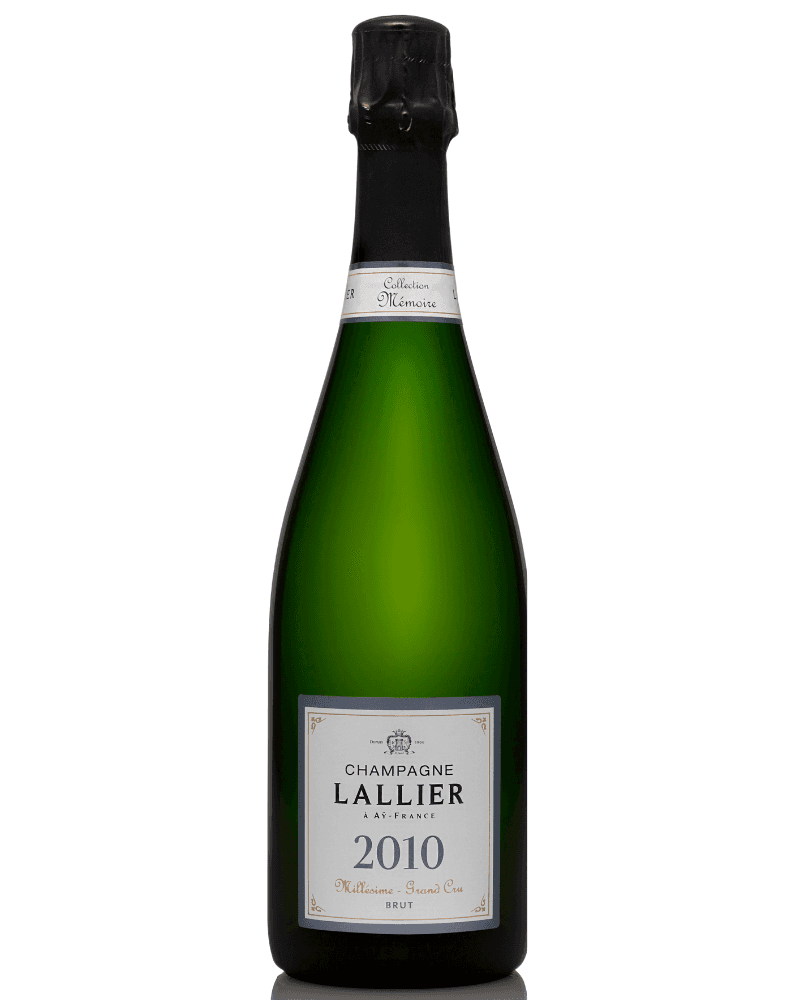
Champagne Lallier Grand Cru 2008. Not the cheapest option but a great wine. Intense, muesli, honeyed and smooth texture. a lovely champagne that has enough body and personality to stand such a flavorsome dish.
As always, these are just suggestions,
Please, give us your opinions,