Less Alcohol, More Freshness: The No/Lo Wine Revolution is Here!

Less Alcohol, More Freshness: The No/Lo Wine Revolution is Here!

Over the past 50 years, the wine scene has changed dramatically. The days of stocking up entire cellars like older generations did are fading. Wine was arguably more affordable back then, but more importantly: wines were definitively lighter.
In the past, a fine Rioja rarely fetched an alcohol content above 12%. Nowadays, many top fine wines easily exceed 13.5%, and it is absolutely common to spot bottles at 14.5% or even 16%. Unsurprisingly, consumers are now looking for fresher, lighter options. This aligns perfectly with our modern lifestyles. We eat more salads and vegetables than ever, and the general trend for many of us is simply to eat lighter.
At Classic Vins, our sommeliers Jean-Louis and Bertrand have noticed an important attitude change: consumers are increasingly curious about alcohol content.
The great news is that the demand for low alcohol wines and alcohol free wines is booming! Here is a curated look at how producers worldwide are satisfying this new demand.

🚫 100% Alcohol-Free Wines

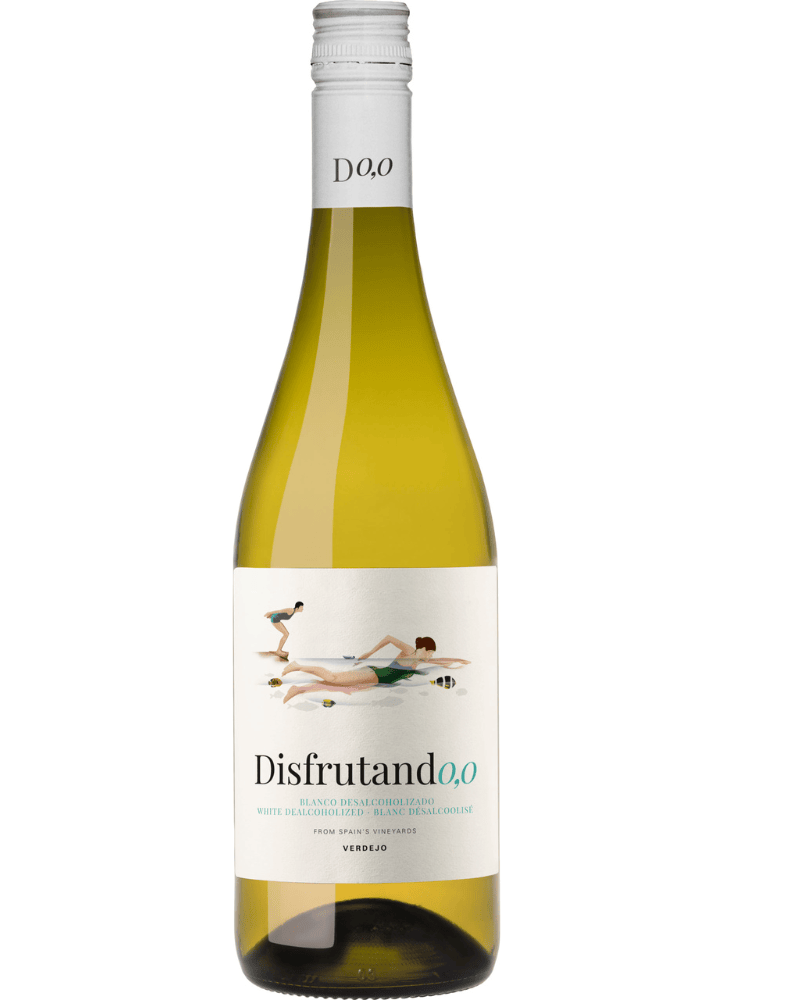
  • Disfrutando Verdejo: Our most popular choice. Light, fresh, and fruity for less than 8€. Pro-tip: serve it with a dash of soda water to make it even more refreshing!
  • Disfrutando Sparkling: A stunning alcohol-free sparkling wine perfect for any celebration.
  • Disfrutando Red: A very nice, well-crafted red alternative that does not disappoint.
  • Tarima Alcohol-Free Moscatel (Bodegas Volver): Crafted by owner and winemaker Rafael Cañizares, this clever creation gives the perfect illusion of drinking a classic Mediterranean-style white wine. Lovely!

📉 Naturally Low in Alcohol

You do not always need to look for dealcoholized options. Many traditional styles are naturally low in alcohol while offering incredible depth:
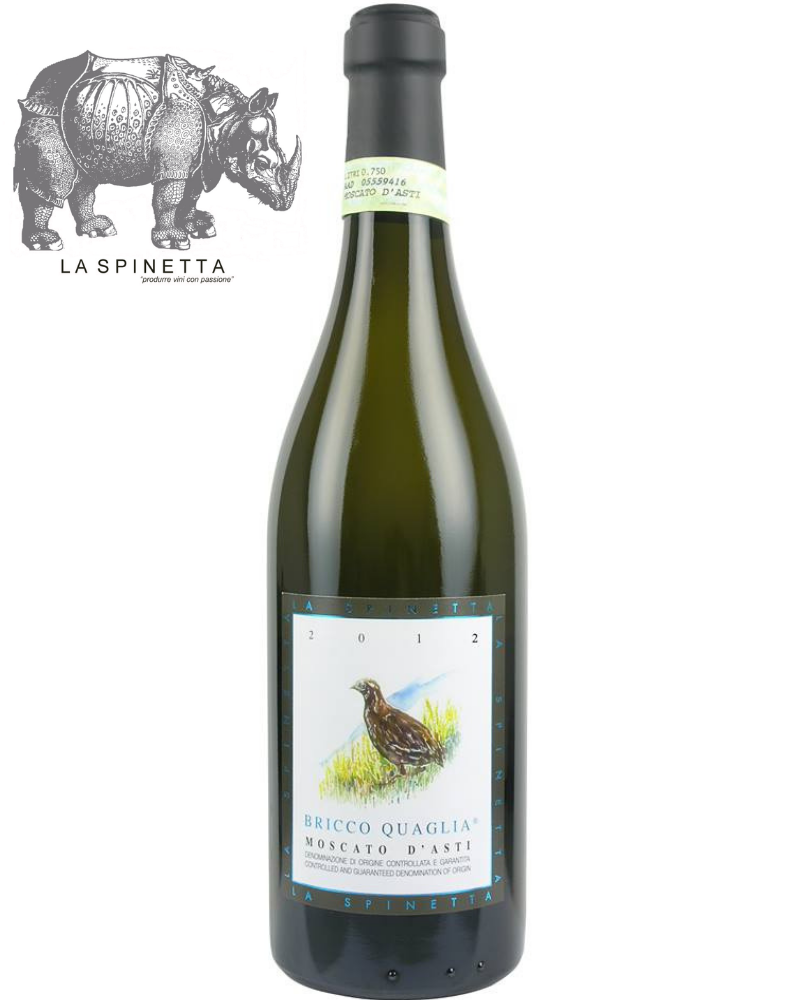
  • La Spinetta – Moscato d’Asti (6.5%): A sweet sparkling wine that seduces many palates, especially during the summer.
  • Joh. Jos. Prüm – Riesling Kabinett (9%): A classic German masterpiece on everyone’s radar.
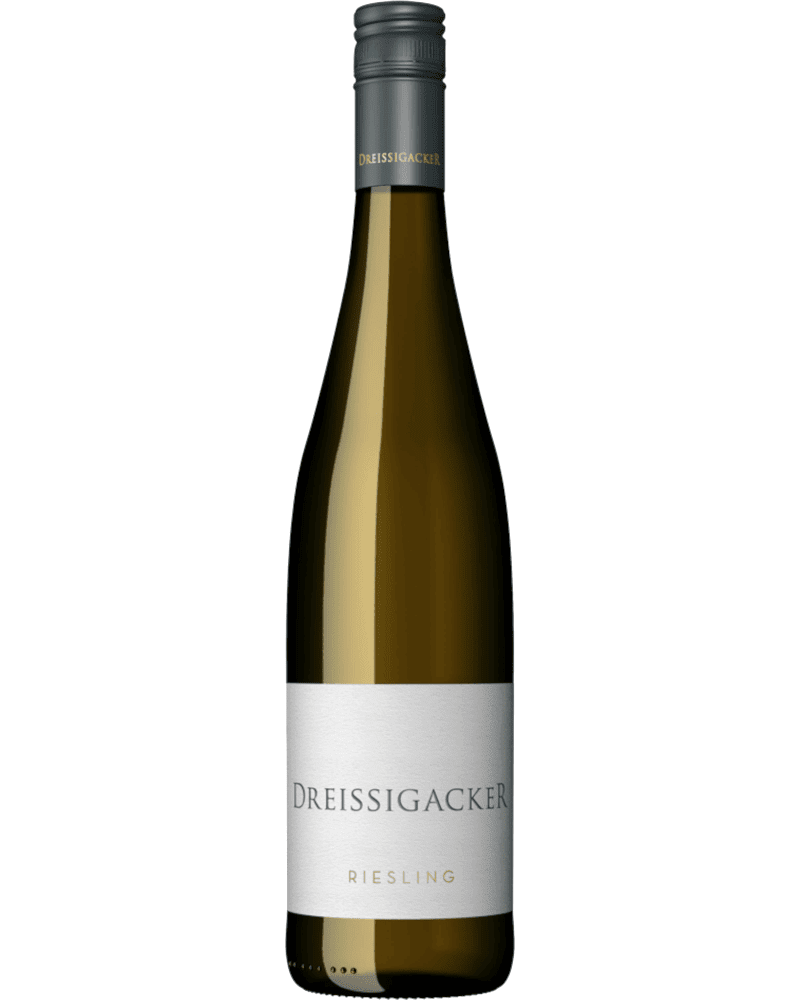
  • Dreissigacker – Dry Organic Riesling (11.5%): A clean, vibrant, and organic German white.
  • Castellroig – Corpinnat (11.5%): Elegant, crisp Spanish sparkling bubbles.
  • La Dame de Onze Heures – Muscadet (12%): The ultimate bone-dry, refreshing white.

Light & Refreshing Reds

Who says red wine has to be heavy? You can enjoy rich flavors with a lighter body:
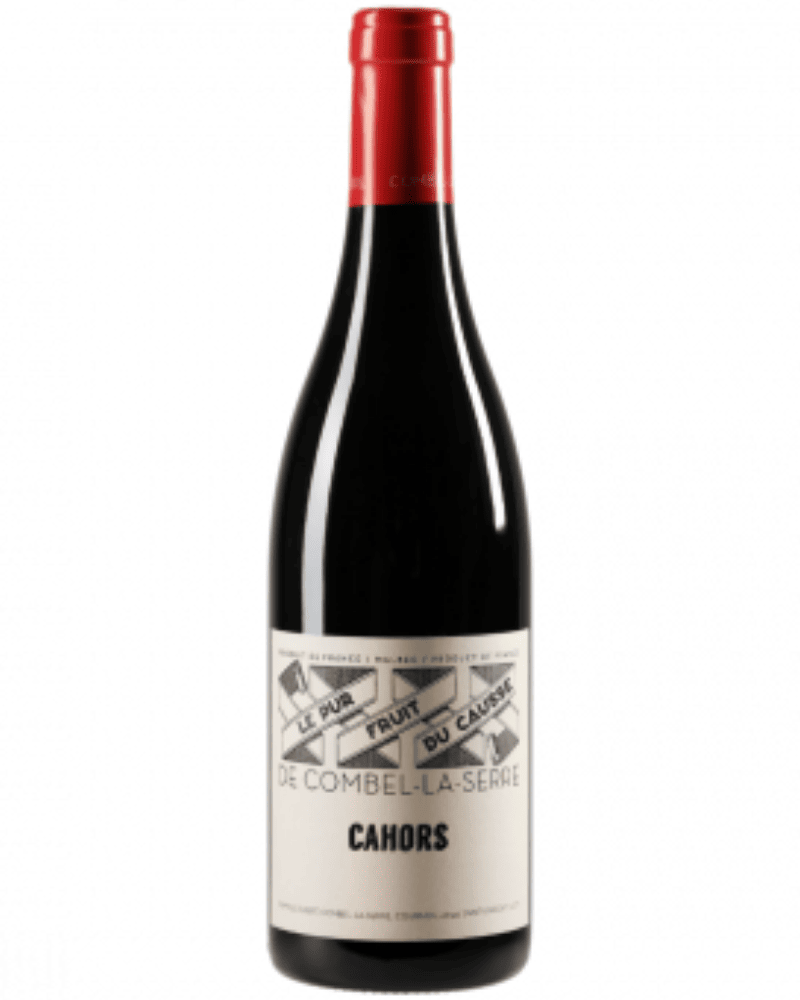
  • Combel-La-Serre – Cahors (12.5%): A Malbec packed with fresh fruit and a touch of earthy character, moving away from the traditionally heavy style.
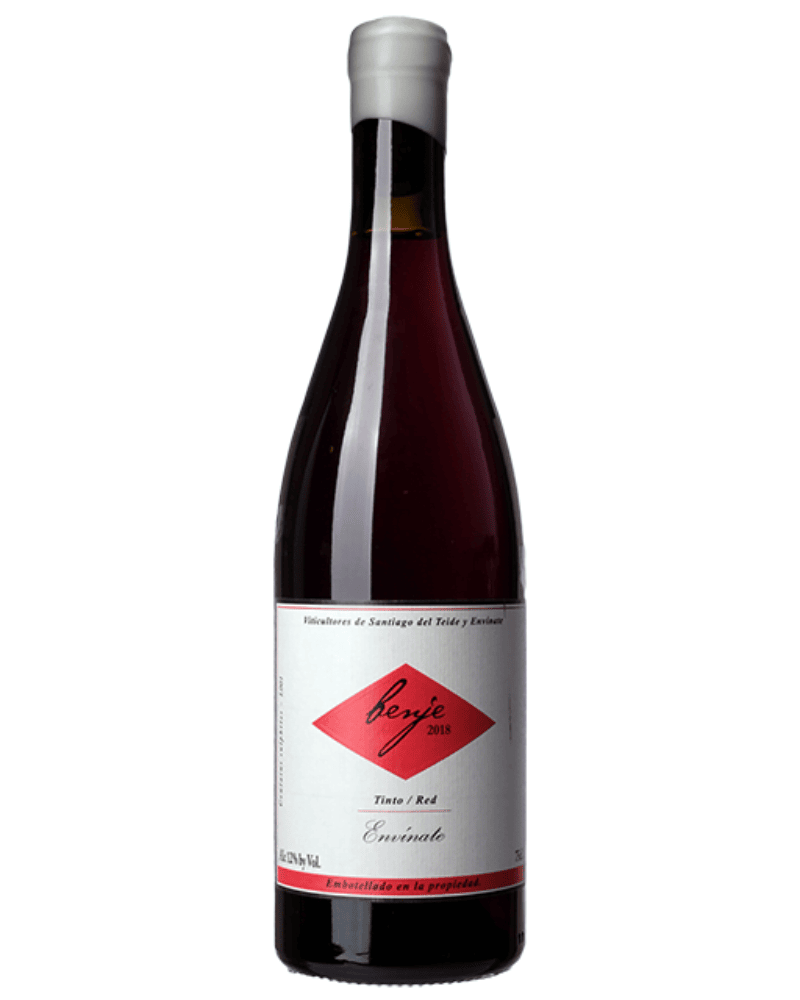
  • Envínate – Benje Red (12%): Produced at high altitude in Tenerife by one of the most sought-after wine estates in Spain. It is dry, smoky, light-bodied, and highly exotic.

Curious to browse around? Visit us at our warehouse or contact our team of sommeliers. Jean-Louis and Bertrand will be more than happy to introduce you to our premium selection of no/lo wines available here in Andorra!
And don’t forget we can deliver your wine order,-))
The World of Wine Delivered to Your Door in Andorra! 

The World of Wine Delivered to Your Door in Andorra! 

Need to restock your cellar without leaving your couch? At Classic Vins, we select the best from global vineyards for you. From the prestige of Classic Burgundies to the refreshing originality of Sparkling English wine, our catalog will surprise you.
Prefer Spanish classics? Enjoy the character of our Riojas, the power of our Riberas, or the crisp freshness of our Albariños.

The best part?

Delivery is completely free anywhere in Andorra from Monday to Friday for any order over €50. Whether you are at home or the office, just send us your full address and telephone number. We take care of the rest.
Order today:
Browse on our website
or
classicvins@gmail.com
or
Phone/whatsapp us
+376 368363 – Jean Louis
+376 359 113 – Bertrand

Vega Sicilia in Andorra: Secure Your Allocations Before They Are Gone!

Vega Sicilia in Andorra: Secure Your Allocations Before They Are Gone!

Excellence does not wait. Buying wine in Andorra becomes a major challenge every year, especially when it comes to the legendary cuvées of Tempos Vega Sicilia. Due to skyrocketing global demand and strict quotas, accessing these exceptional bottles is harder than ever.
With us, you get direct access to these prestigious estates. Do not risk missing out on this year’s vintage. Contact us today and secure your exclusive allocation.

Your Vega Sicilia Collection Available for Pre-Order

Reserve the icons of the Spanish wine world and its international gems right now:
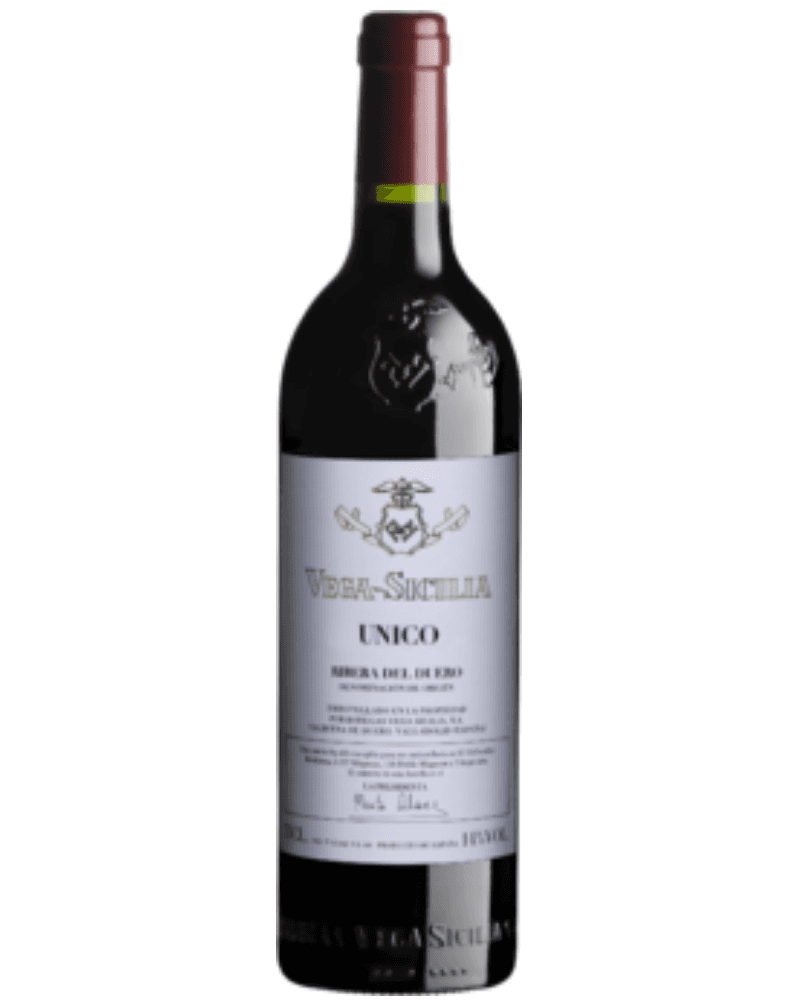
    • Vega Sicilia Único: The pinnacle of Ribera del Duero. A legendary wine built for aging.
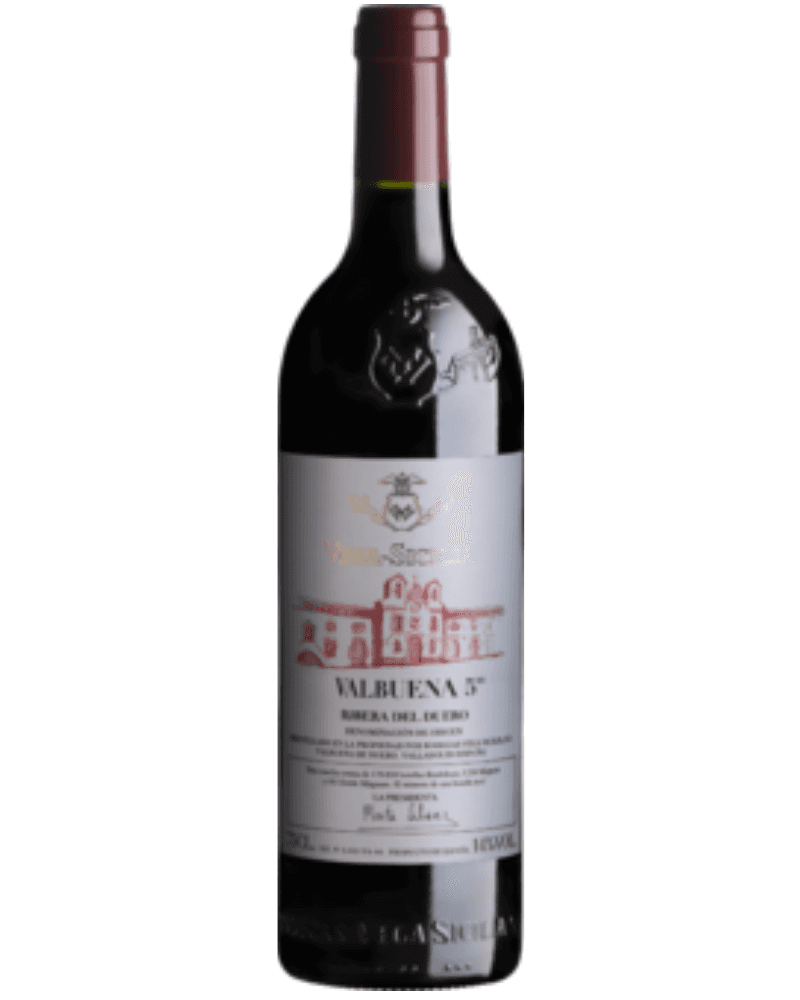
    • Valbuena 5°: The pure expression of Tempranillo. A masterclass in elegance and power.
    • Alión: Modern, fleshy, and deeply seductive.
    • Pintia: Bold character and deep structure from the Toro region.
    • Macán: Contemporary vision and finesse born from a historic collaboration in Rioja.
    • Oremus: Liquid gold from Hungary. Divine dry and sweet Tokaj wines.

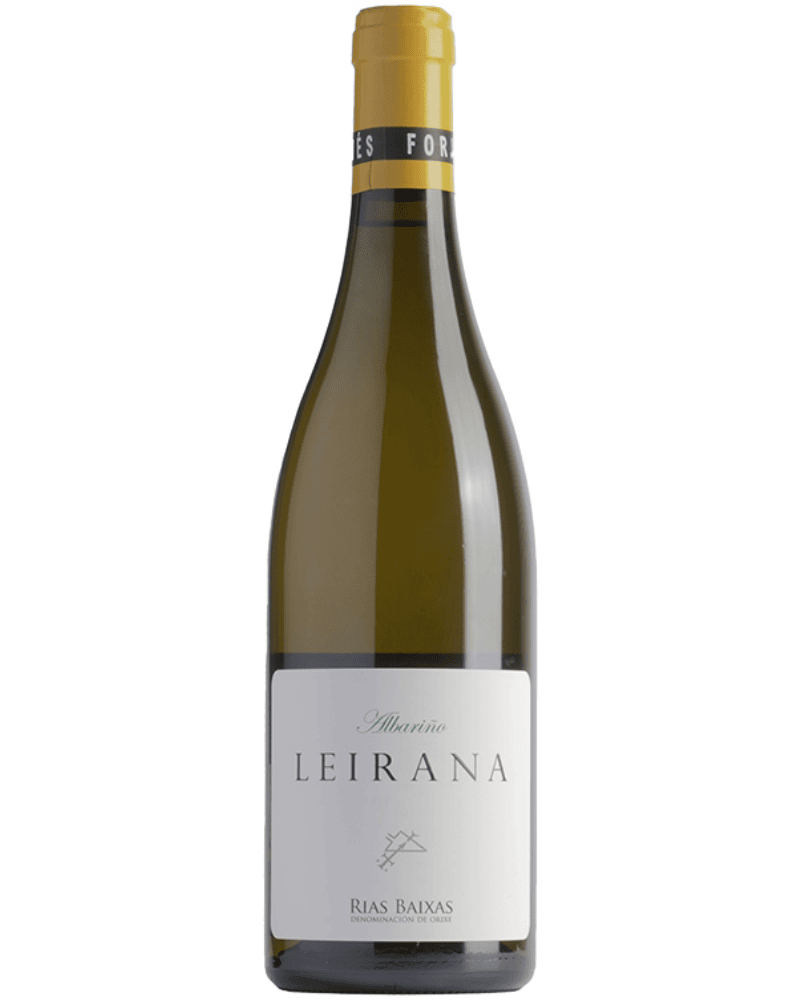
Ultra-Limited New Release Alert: The group will soon release its highly anticipated white wine from Rías Baixas (Albariño). Allocations for this historic debut will be extremely tight. Be the first on the list by reserving with us today.

Why Pre-Order With Us?

    • Guaranteed Allocations: Your bottles are secured directly upon official release.
    • Free Wine Delivery in Andorra: We deliver straight to your home, office, or venue at no extra cost, anywhere in the Principality.
    • Bespoke Local Service: A trusted partner to curate your private cellar.

Stocks are highly limited and allocated on a first-come, first-served basis.

Raúl Pérez on TV: Inside the World of Spain’s Master Winemaker

Raúl Pérez on TV: Inside the World of Spain’s Master Winemaker

The wine world is buzzing. Legendary Spanish winemaker Raúl Pérez has just featured in a major double-episode broadcast on Spanish television, starring in the acclaimed docuseries El Mago del Vino (The Wine Wizard) on the Cuatro network. This high-profile media exposure shines a bright light on a man world-renowned critics call a true visionary of terroir. For private clients and fine wine collectors looking to secure rare allocations, there has never been a better time to discover or expand your cellar with his extraordinary creations.
Why Raúl Pérez Dominates the Global Wine Scene

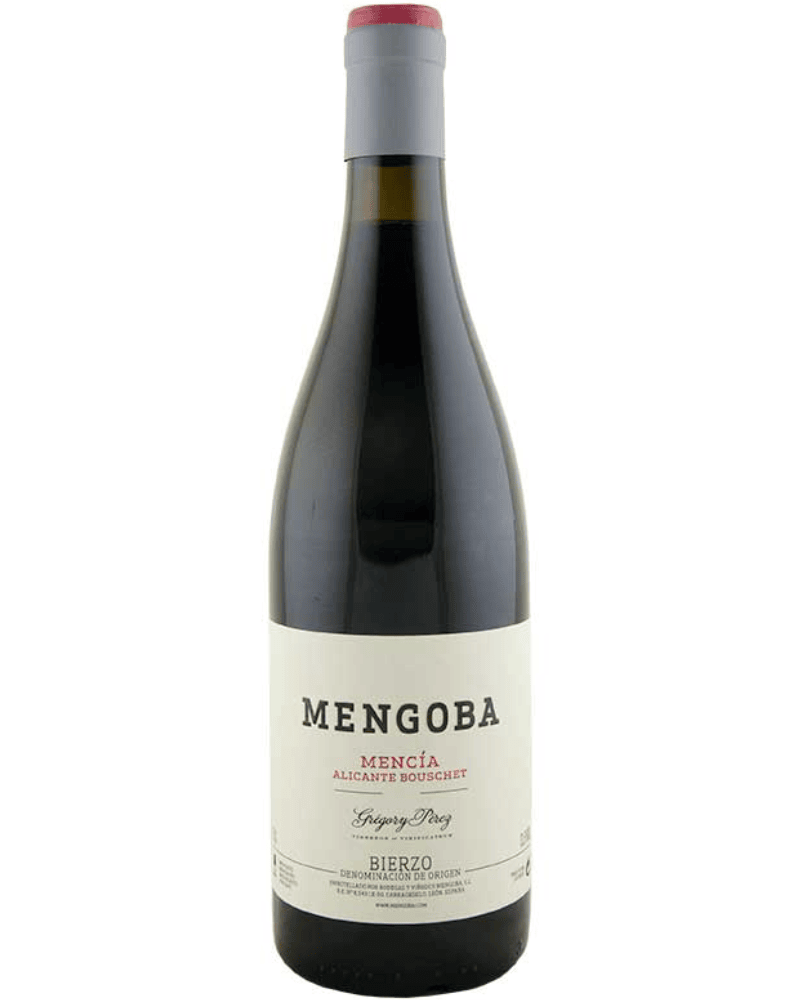
Raúl Pérez is not just a winemaker; he is a pioneer of the «New Spain» wine movement. Operating primarily out of Valtuille de Abajo in the Bierzo region, his philosophy centers on minimal intervention. He allows each specific parcel of land to speak for itself through indigenous grape varieties like Mencía for reds and Godello for whites. His artisanal, hands-off approach has earned him the title of «Best Winemaker in the World» from prestigious publications like Bettane+Desseauve, catching the attention of serious collectors globally.
The Raúl Pérez Portfolio: From Daily Luxuries to Ultra-Rare Allocations
The beauty of the Raúl Pérez lineup lies in its balance between highly accessible, top-tier daily drinkers and mythical, low-availability bottles that wine enthusiasts heavily chase.
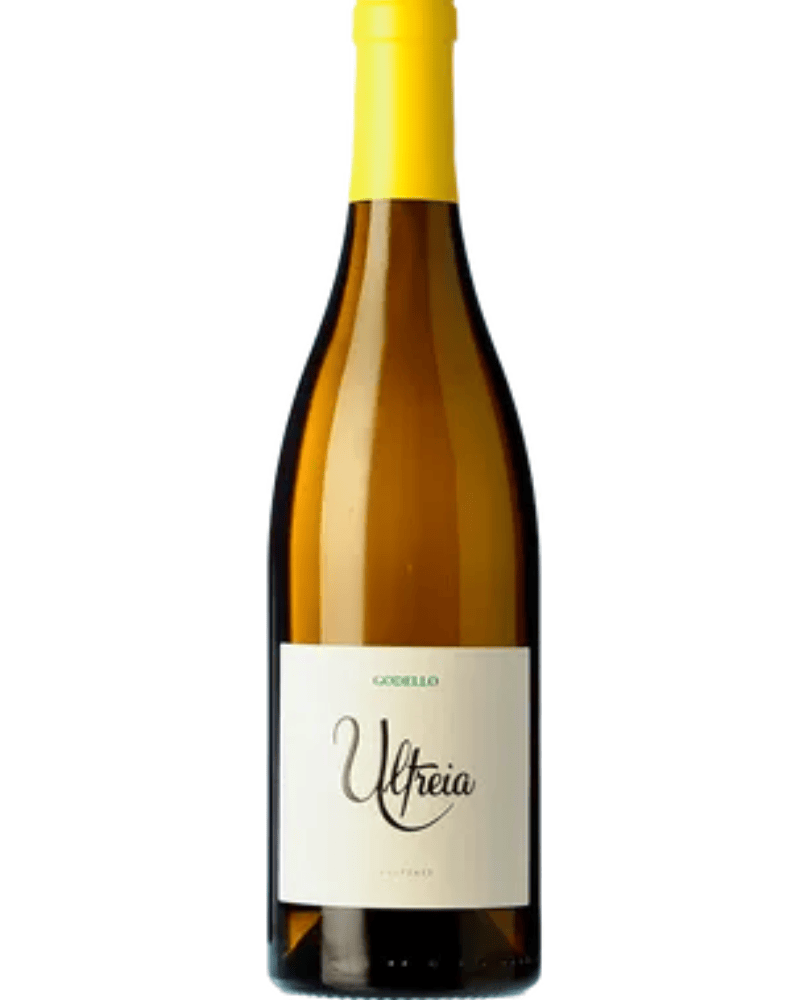
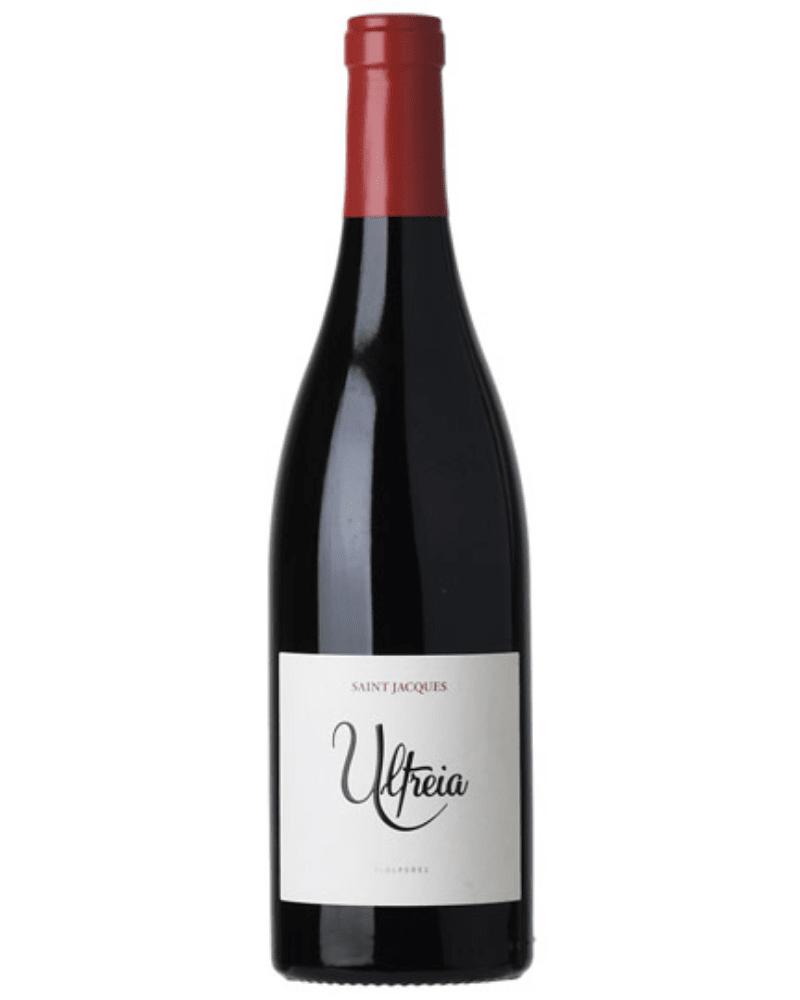
  • Ultreia Saint Jacques: The perfect introduction to the Bierzo region. Made from ancient Mencía vines, this red wine offers vibrant fruit, immediate drinkability, and an unbeatable quality-to-price ratio.
  • Valtuille (La Vizcaína): Masterful single-vineyard expressions centered around his home village. These wines showcase the unique soil diversity of Bierzo with a tension and elegance that rival great Burgundy.
  • Sketch (Ultra-low availability – Strictly under allocation): A mythical Albariño white wine produced in Rías Baixas and famously aged under the waters of the Atlantic Ocean. This saline, complex masterpiece is produced in microscopic quantities and reserved for a select few.
  • La Muria (Ultra-low availability): A true star of the recent TV broadcast. Grown in an extreme, high-altitude vineyard, this rare Mencía represents the absolute pinnacle of Spanish red wine, famously achieving a perfect 100-point Parker rating.
  • Forjas do Salnés (Albariño): A fantastic, long-standing collaboration between Raúl Pérez and his close friend Rodrigo Méndez. Together, they push the Albariño grape to its absolute limit in Galicia, creating world-class white wines boasting incredible minerality, razor-sharp tension, and magnificent aging potential.

Securing Your Private Allocation

Following his double appearance on El Mago del Vino, global demand for Raúl Pérez’s top cuvées is soaring. Icon wines like Sketch and La Muria never hit regular retail shelves due to their strict allocation status.
As a trusted partner, our boutique specializes in connecting private clients with these highly coveted bottles. We provide discerning collectors direct access to Spain’s most exclusive liquid treasures.

Why Your Palate is Unique: The Fascinating Science of Subjective Taste

Why Your Palate is Unique:

The Fascinating Science of Subjective Taste


Last week, I ordered a highly rated bottle of wine only to find it completely disappointing. Meanwhile, My wife was in absolute heaven.
For decades, the culinary world has pushed the narrative of the «expert palate»—the idea that certain vintages or food pairings are universally superior. But modern science is finally catching up to what your gut has been telling you all along: tasting is a deeply personal, highly subjective experience.

Taste is not Universal

Here is a look inside the fascinating, individualized science of how we experience food and drink.

1. The Olfactory System: A Direct Line to Your Memories

Before food even touches your tongue, you are already tasting it through your nose. The olfactory system is arguably our most personal sensory mechanism. Unlike our other senses, which pass through a central processing hub in the brain, scent signals travel directly to the amygdala and hippocampus. These are the exact brain regions responsible for emotion and memory.
This means a single aroma can trigger a vivid childhood memory or an emotional response unique only to you. When you smell a wine, you aren’t just detecting chemical compounds; you are filtering them through your entire life history. Yep! it absolutely explains why most of us remember specific moments ( a family dinner, a BBQ, a walk or  and any other situation) and not molecules;-)

2. The Numbers Game on Your Tongue

We like to think we all share the same anatomy, but our mouths tell a different story. The number of taste buds varies wildly from one person to the next. While the average person has a moderate distribution, individual counts range anywhere from 2,000 to over 8,000 taste buds.
If you are on the higher end of that spectrum, you might be a «supertaster,» experiencing bitterness, sweetness, and textures with extreme intensity. If you are on the lower end, you might require much stronger flavors to get the same kick. Apparently, Babies have up to 10.000 taste buds and their numbers will decline with time, maybe one of the reason older people seems keener on dry, tannic red wine?

3. Your Chemistry is Constantly Changing

Even the liquid environment of your mouth alters the flavor of your food. Human saliva is highly variable. Your specific salivary flow rate, the protein content (proline and mucin), and the pH levels in your mouth change how food compounds dissolve and interact with your receptors. Because your biology is unique, a piece of dark chocolate or a sip of espresso literally undergoes a different chemical transformation in your mouth than it does in anyone else’s.

4. The Trigeminal Nerve: The Universal Sensor

Now here is the interesting part, there is one mechanism we all share, though you may have never heard of it: the trigeminal nerve.
While your taste buds detect sweet, salty, sour, bitter, and umami, the trigeminal nerve is responsible for the tactile and thermal experience of eating. It is the reason mint feels cold, chili peppers feel hot, and carbonation tingles. It detects the crunch of a chip and the smooth velvet of a cream sauce. It is our most universal sensory pathway, providing the physical architecture of texture that connects us all to what we eat. Once understood it all makes sense, aromas are important but their perception is highly personal (subjective), now this trijeminal nerve helps to define wine structure and texture. From light and juicy red to intense full-bodied one!!!

5. Mind Over Mouth: The Power of Environment

Last no the least, our environment will enhance or modify our tasting experience!

Finally, tasting doesn’t happen in a vacuum. Your surroundings alter your perception. Studies have shown that the lighting in a room, the background music playing, and even the texture of the cutlery you touch can completely change how you perceive sweetness, acidity, and quality. A wine tasted under warm lights with soft jazz will taste fundamentally different than the exact same wine poured in a bright, noisy room.

The Verdict: Trust Your Own Palate

When you look at the science, the conclusion is undeniable: we are all wired differently.
Because taste is highly subjective, rigid theories about «the best wine in the world» or perfect scores designed by a single critic should not be taken too seriously. Strict food and wine matching rules are not absolute laws—they are merely suggestions. And if you enjoy a t-bone steack with a sweet wine, well, good for you! 
The next time someone tells you what you should be tasting, remember your unique biology. Trust your own palate, embrace your personal preferences, and enjoy food your way. After all, nobody experiences the world quite like you do!

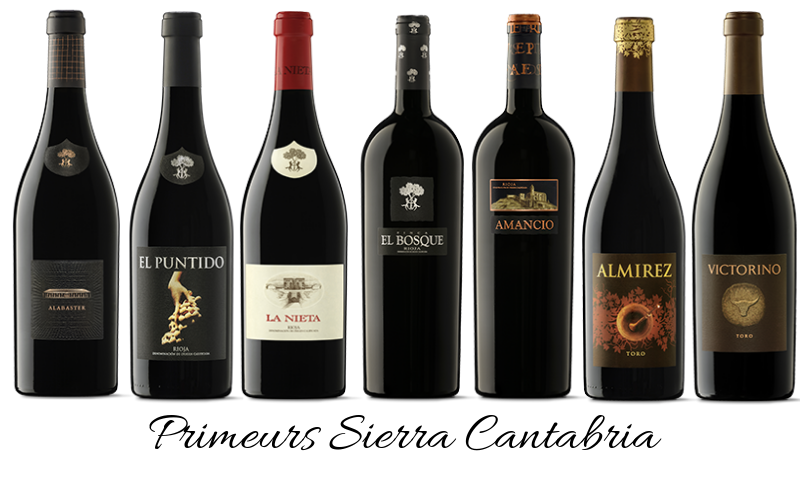
Sierra Cantabria and Cuentaviñas : Primeur 2026

Edited Vintage Report: 2025


2025 Vintage Report: A Challenging Season From Start to Finish

  • October 2024: Extremely damp and humid autumn.

  • Winter: Mild overall, but January hit a freezing -3.9°C.

  • Spring: High humidity triggered early fungal pressure during budbreak.

  • Flowering: Began May 25, followed by heavy June rains.

  • Yields: Severely reduced due to disrupted pollination (coulure).

  • July: Cooler than average, with severe hail hitting La Veguilla on July 11.

  • August: Extreme heat and drought caused a 10-day vegetative block.

  • September: High anxiety as growers waited for phenolic ripeness.

  • Harvest: Dispatched pickers from September 29 to October 15.

  • Wine Profile: Lower alcohol, intense fruit, high elegance, and freshness.

You can download our Primeurs portfolio.

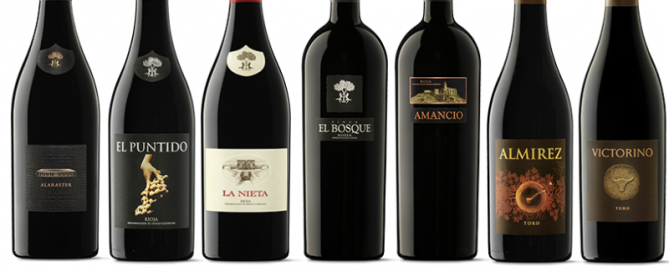
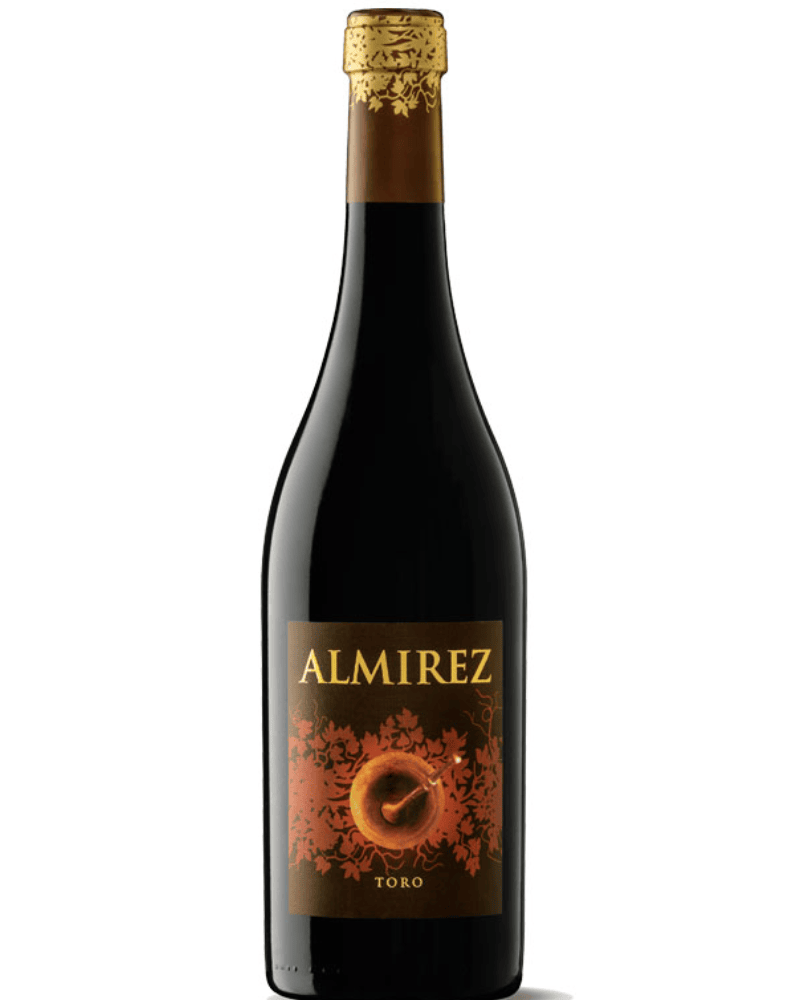
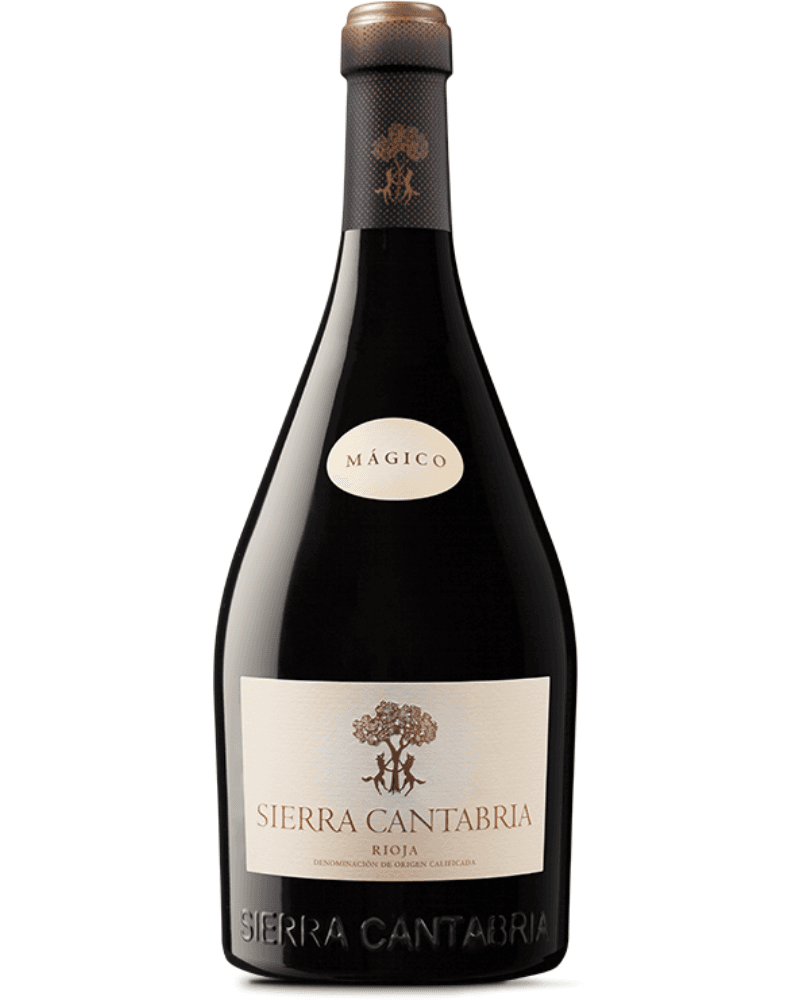
La Nieta, Amancio, Bosque, Magico, Almirez, Victorino, Tiznado, Los Yelsones…

https://classic-vins.com/wp-content/uploads/2026/06/primeurs2026.pdf

Last orders will be taken on the 20th of august. IMPORTANT!


Envinate : Tree regions, one vision

Envinate : The Wines Everyone Will Talk About Tomorrow

Three regions, one vision


To us, the Envínate project brilliantly represents the new Spanish wine scene: indigenous varieties, wild yeast fermentation, gentle extraction, whole-cluster fermentation (partial or total), and the use of neutral barrels — generally old wood and large formats — while completely avoiding new oak. Sulfur is typically added only at bottling.

Terroir obviously occupies a central place in their philosophy, and Burgundy has clearly influenced both their style and techniques. Most of the wines deserve a few years in the cellar or, at the very least, serious decanting. Reduction is often noticeable at first, but the wines taste incredible 24 hours later — if they have survived that long… 😉

The project can be geographically divided into three zones: Tenerife (Canary Islands), Ribeira Sacra (Galicia), and the Mediterranean area (Almansa and Manchuela). Although Envínate is still a relatively young project, many of its wines have already become iconic cult wines, with some receiving 100 Parker points.

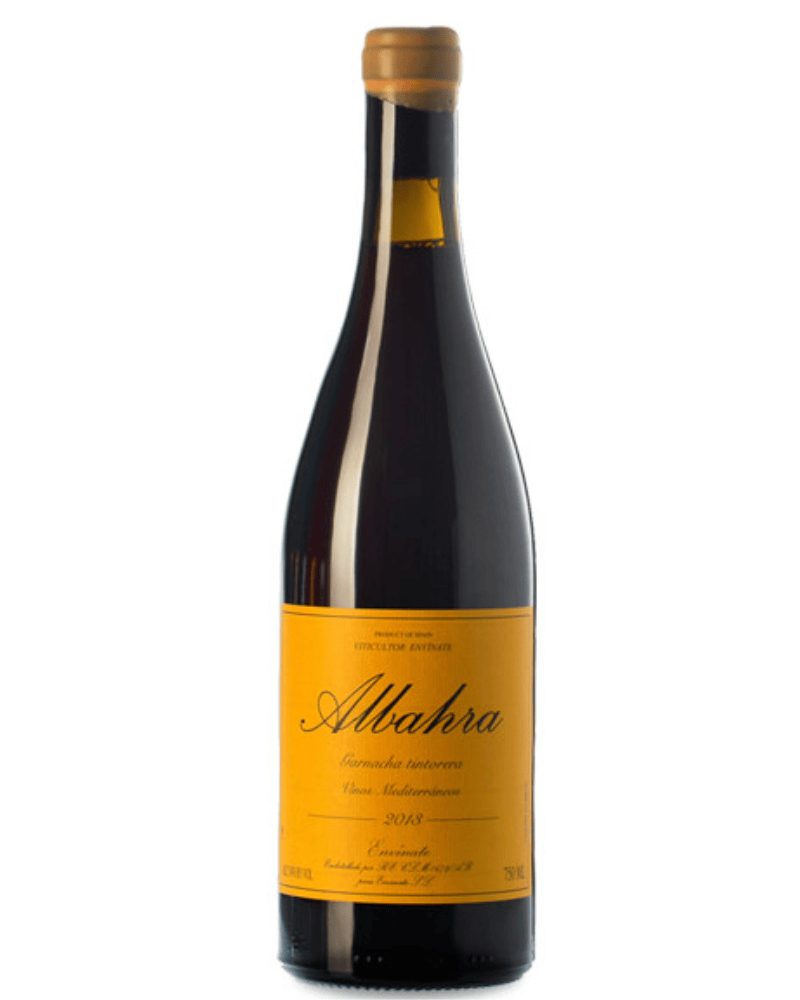
Albahra is their entry-level red from southeastern Spain: a blend of Garnacha Tintorera (70%) from Almansa and 30% Moravia Agria from Manchuela — an obscure but highly valuable grape variety. It is a supple, soft wine, remarkably light for this part of Spain, thanks to Moravia Agria, which brings freshness and helps lower the alcohol content. The perfect red for summer BBQs, especially when served slightly chilled.

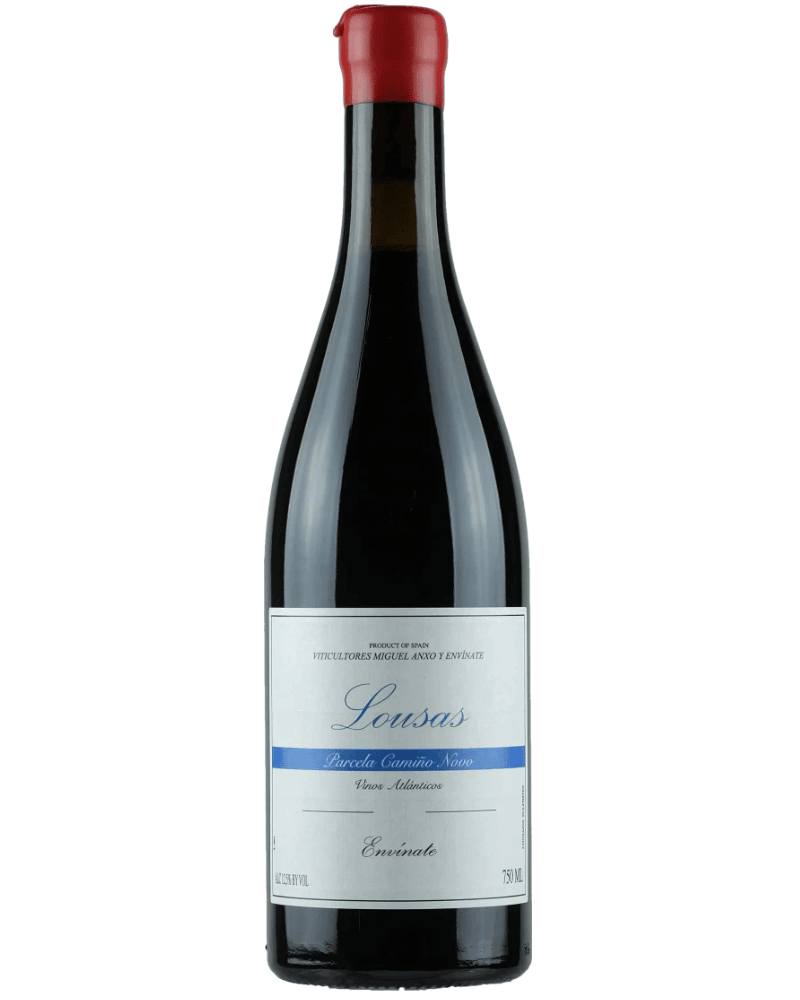
The Lousas range defines the wines crafted in Ribeira Sacra, mostly from Mencía vineyards in the Amandi subzone. Here, two hours of decanting is almost mandatory for every cuvée to reveal its full potential. Doad and Rosende are excellent, while Seoane and Camino Novo are truly mind-blowing: complex, deep wines with a soft, velvety texture and notes of violet, blackberry, and earth. Ribeira Sacra is, without any doubt, the new Priorat.

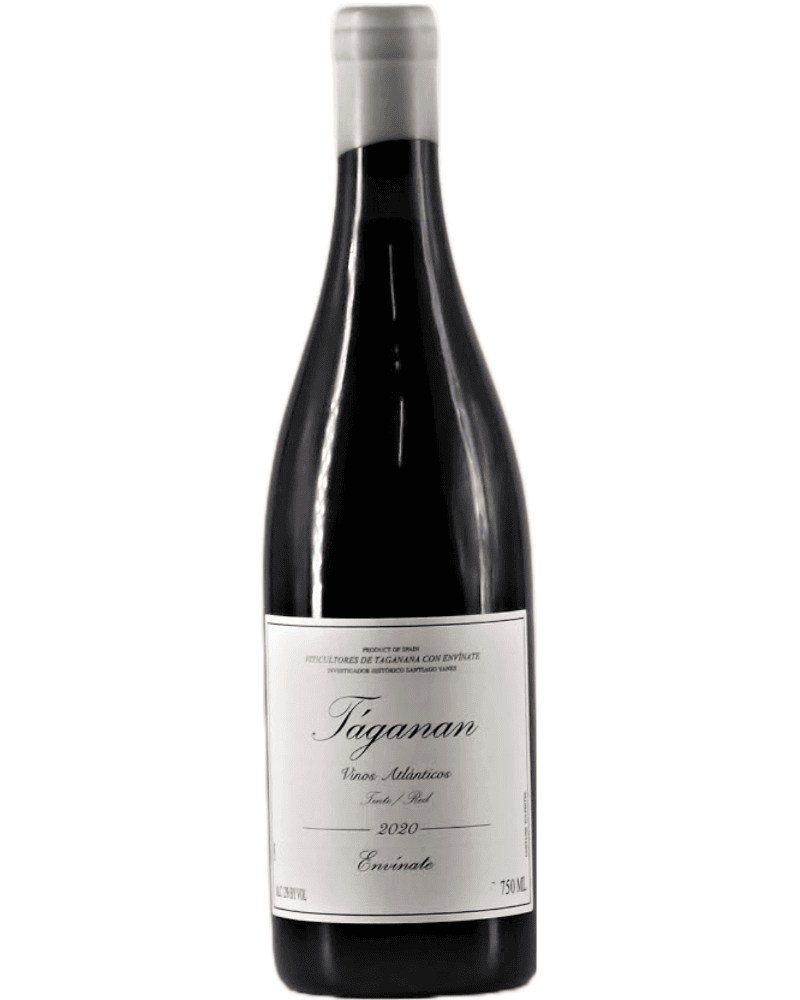
Last but certainly not least are the wines from Tenerife, probably the most exciting Spanish wine region in recent years. Quality has boomed there like nowhere else in Spain. The white wines are intense and fresh, with mouthwatering acidity, gingery and lime-driven aromas, and fierce minerality. The reds are pale and light-bodied, with some vineyards planted at over 1,000 metres above sea level, such as Benje on the northern slopes of Mount Teide.

Puligny-Montrachet : Prestigious white wine from Burgundy

Puligny-Montrachet – Precision and Elegance in the Heart of Burgundy

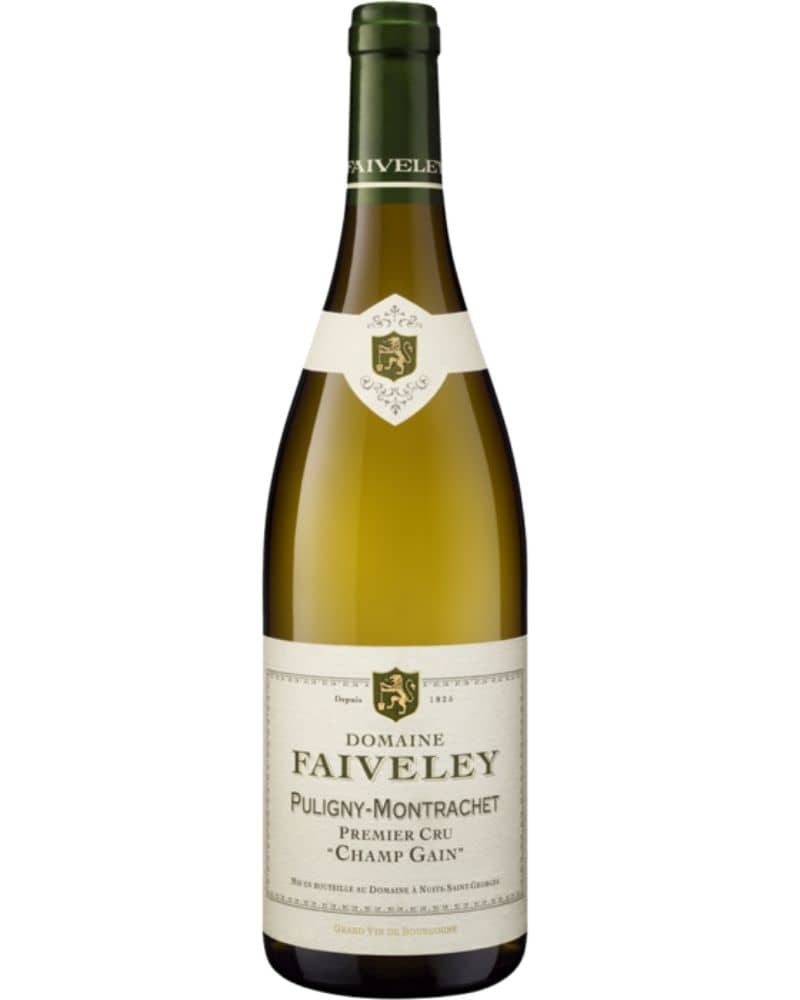
Nestled in the southern part of the Côte de Beaune, the village of Puligny‑Montrachet lies between its famous neighbors Chassagne‑Montrachet and Meursault—three villages that together form one of the most prestigious white-wine areas in the world. Some even refer to this small stretch of vineyards as Burgundy’s own “mini Côte des Blancs.”

Renowned for its exceptional Chardonnay, Puligny has seen a remarkable surge in popularity among wine lovers in recent years. Slightly cooler than Chassagne, whose vineyards often benefit from more southern exposures, Puligny produces wines of striking tension and clarity.

Another distinctive feature is its high water table, located close to the surface, making underground cellars almost impossible to build in the village.

While Chassagne-Montrachet and Meursault often express richer, rounder styles, Puligny-Montrachet wines are celebrated for their purity, freshness, and raciness—hallmarks of Burgundy’s most elegant Chardonnay expressions.

New Spanish wines in Andorra… that weren’t even on your radar.

New Spanish Wines in Andorra

Some of the most exciting Spanish wines rarely shout. They simply exist — quietly — in the hands of dedicated growers.

We are pleased to introduce a new selection of Spanish wines now available in Andorra.

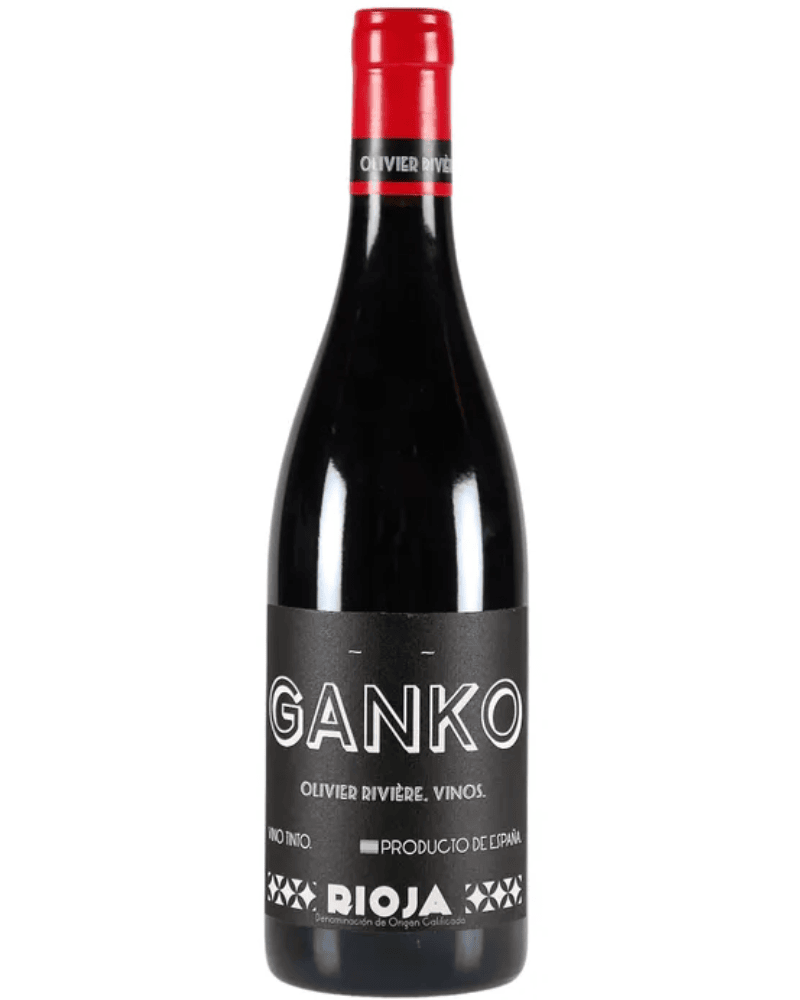
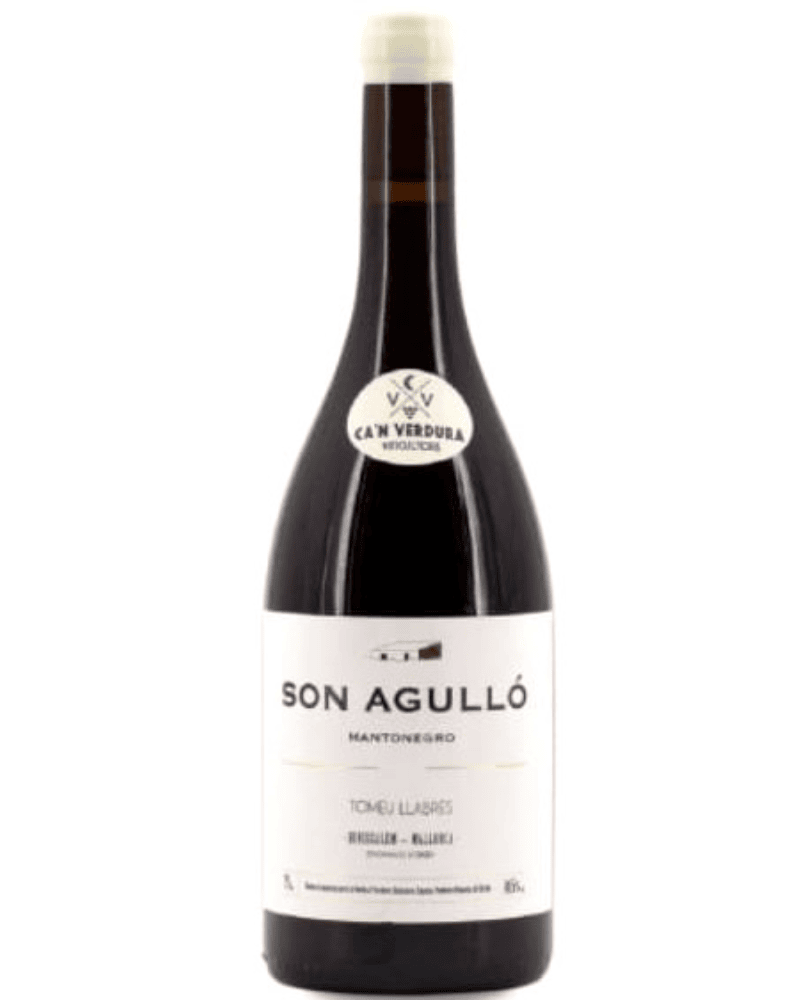
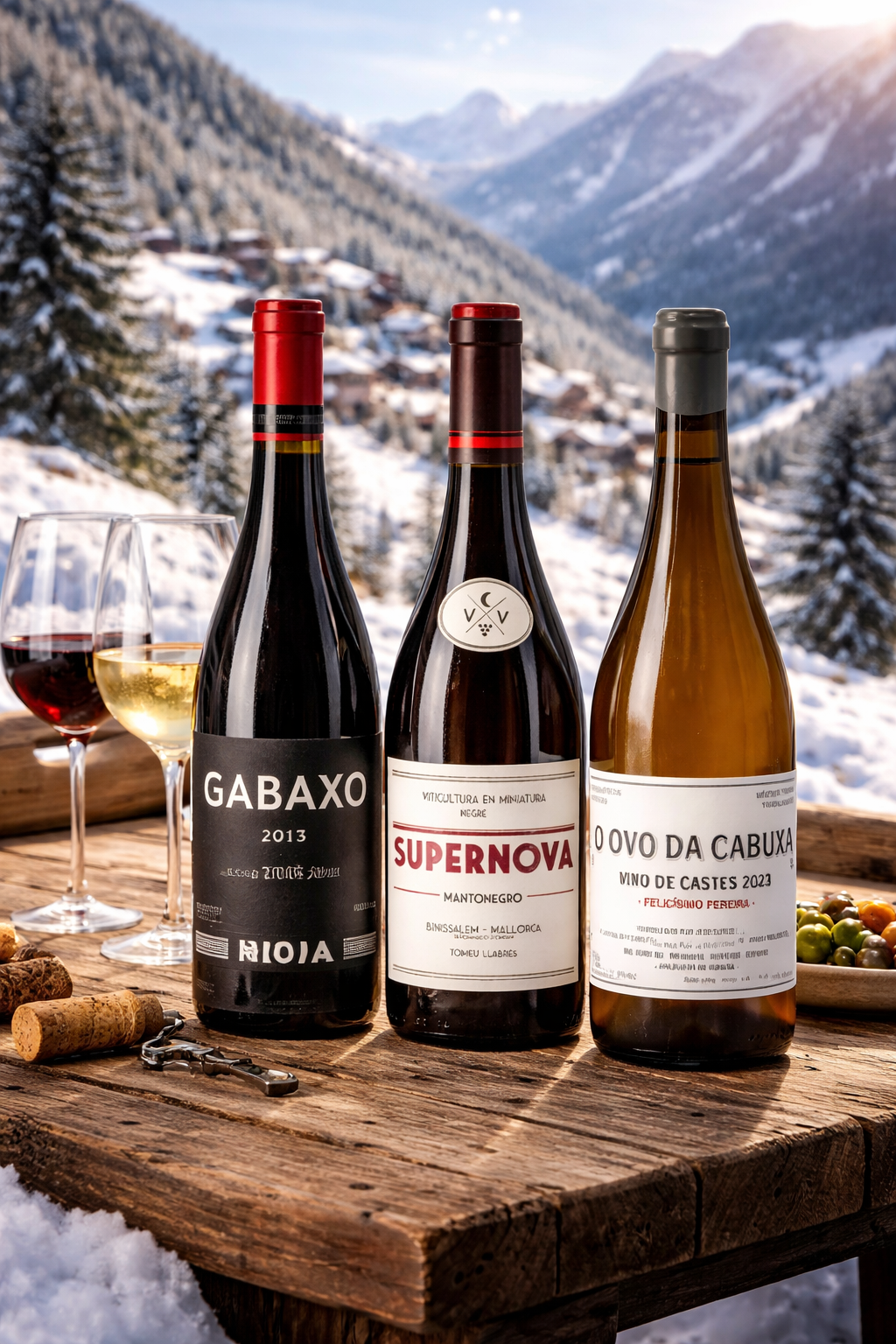
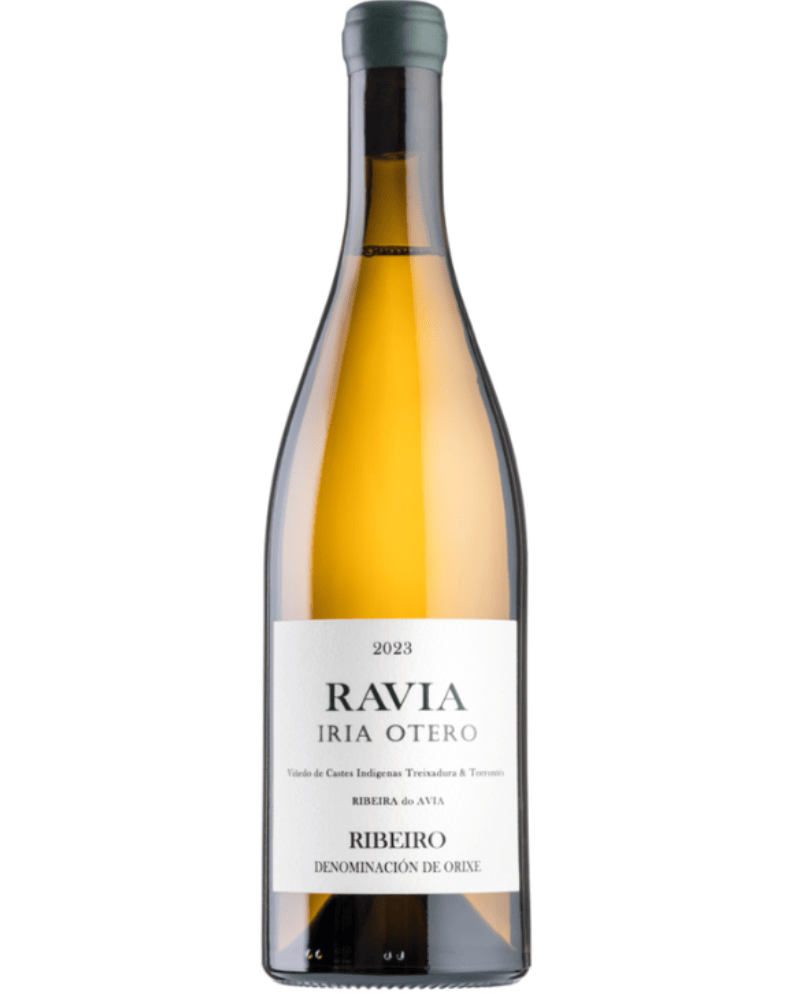
Producers such as Olivier Rivière, Tomeu Llabrés of Can Verdura Viticultors, Iria Otero, and Felicísimo Pereira represent a Spain that is thoughtful, precise and deeply rooted in place.

Small productions. Singular vineyards. Wines that express landscape rather than trend.

These bottles may not have been on your radar — but perhaps they should be.

Available in limited quantities in Andorra.
Private clients and hospitality professionals — personalised tastings by appointment.

When wine tastes like stone… Or does it?

When Wine Tastes Like Stone… Or Does It?

Few words have fascinated the wine world as much as minerality. So much so that many producers have gone one step further and named their wines after minerals, rocks, or geological formations. It’s a powerful statement: a way of anchoring a wine to its origin, to the land, to something ancient and immutable.

But let’s pause for a moment.

When growers speak about “soil,” they rarely mean soil as a whole, complex system. More often, the focus narrows to mineral content—limestone, granite, schist—while many other critical parameters quietly step aside: pH, water availability, microbial life, insects, fungi, soil compactness, oxygen exchange… the living, breathing ecosystem beneath the vine.

And yet—this matters—we should never dismiss the grower’s intuition.

As farmers, vignerons develop an intimate, long-term relationship with their plots. Year after year, they observe how vines behave across different sites: the timing of budburst, flowering, nouaison, véraison, and ripening. They see how acidity holds, how sugars accumulate, how phenolic maturity evolves, how aromatic precursors express themselves. This empirical knowledge is not lab science—but it is data, gathered through lived experience.

So yes, it entirely makes sense that growers recognize certain sites as more special than others.

What science has not been able to demonstrate—despite decades of research—is a direct link between the mineral composition of a soil and the taste of a wine. No peer-reviewed paper has proven that limestone tastes “chalky” in the glass, or that granite transmits itself as tension or salinity.

Even more provocatively: the so-called “mineral” aromas sometimes found in wine are not minerals at all. They are often sulfur compounds produced by yeasts during alcoholic fermentation.

And yet… the wines remain compelling.

Because naming a wine after a rock is less about chemistry and more about identity. It’s a way of saying: this place matters.

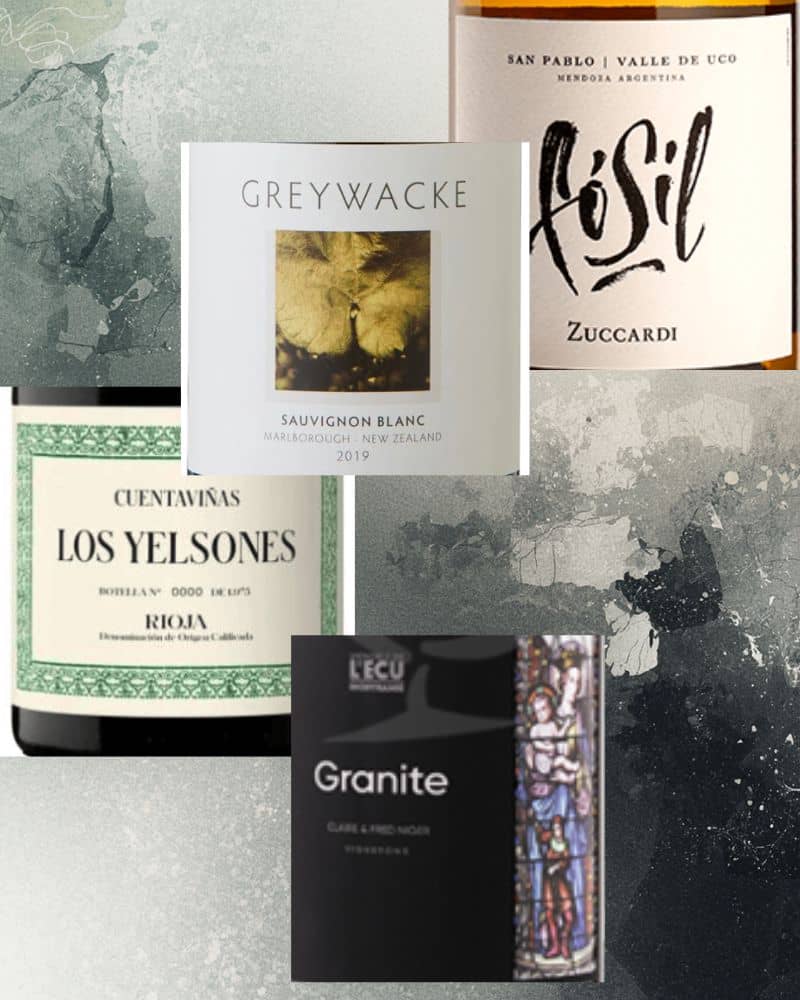
Here are a few producers who wear their geology proudly on the label:

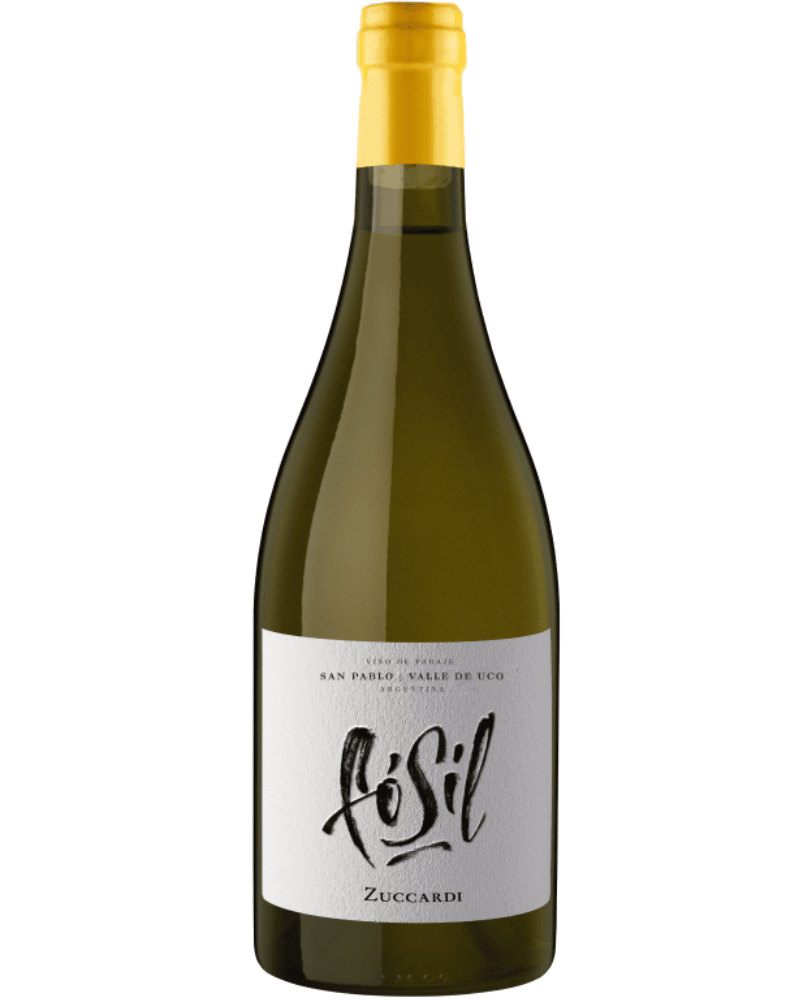
  • Zuccardi Fósil Chardonnay (Argentina)
    A laser-blade Chardonnay: intense yet energetic, citrus-driven, precise, and profoundly vertical. A wine that feels sculpted rather than built.

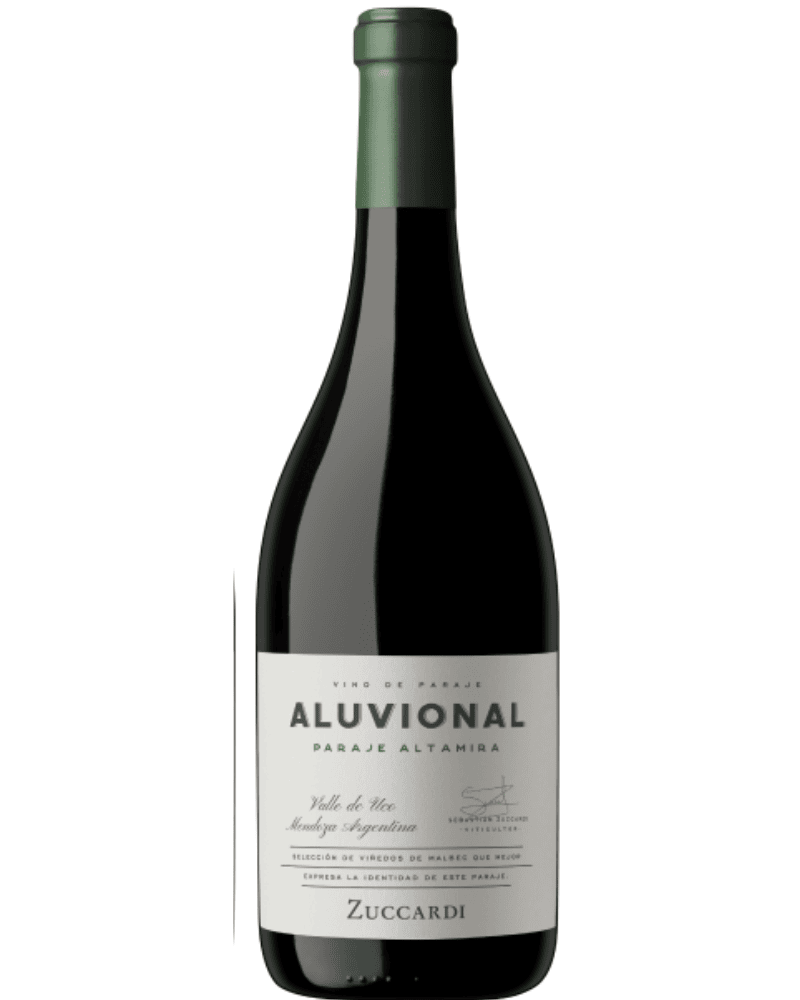
  • Zuccardi “Alluvial” Series
    A clear reference to sedimentary origins and site expression, explored through different vineyards and textures.

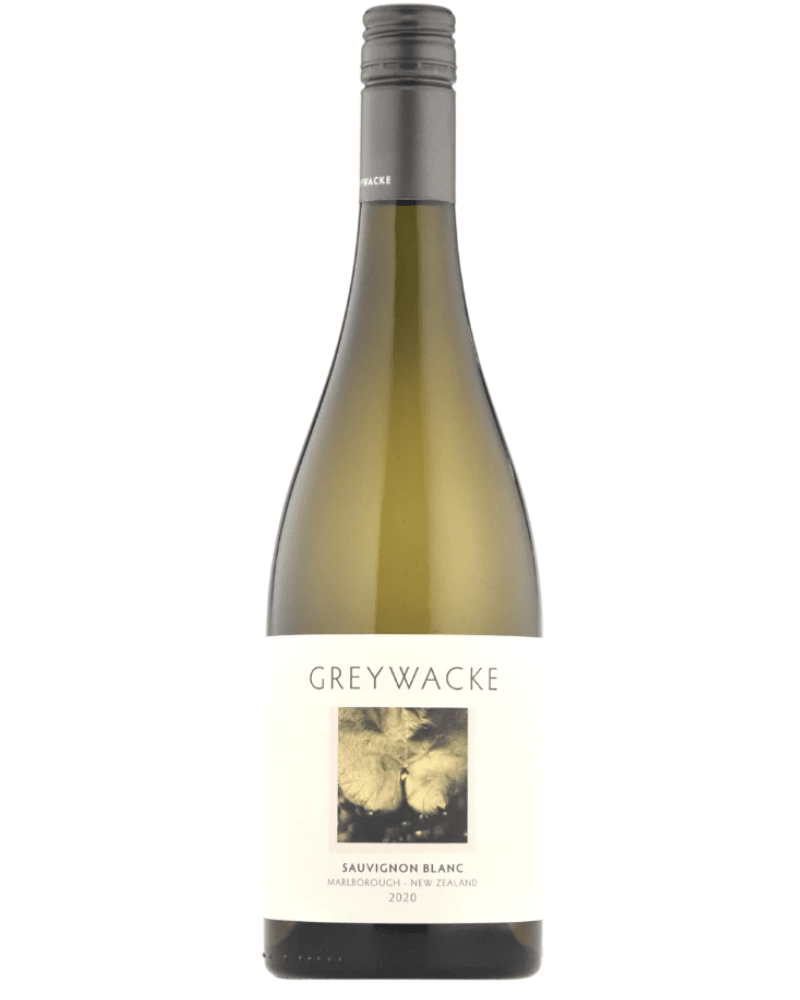
  • Greywacke Estate (New Zealand)
    Named after a well-known sedimentary rock, this now-iconic estate expresses tension, purity, and restrained power—very much in line with its geological inspiration.

  • Domaine de l’Ecu (Loire Valley)
    A deeply artisanal estate that pushes parcel differentiation to the forefront. Their Melon de Bourgogne cuvées Granite and Orthogneiss are as much philosophical statements as they are wines.

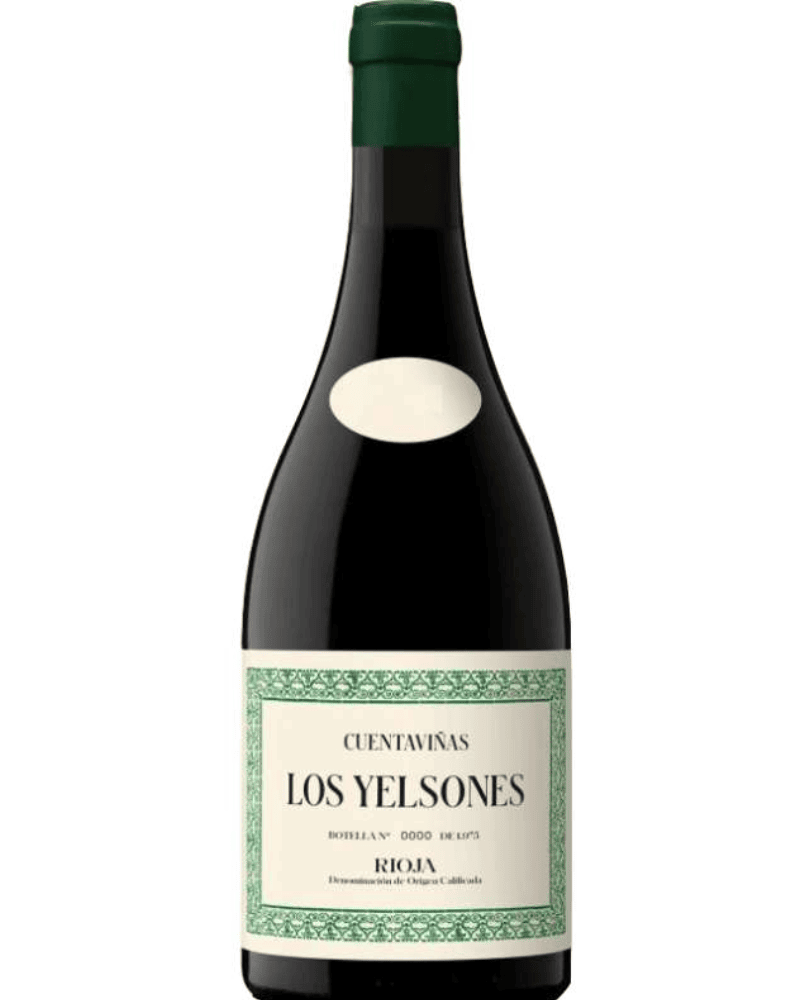
  • Los Yelsones – Eduardo Eguren (Rioja)
    With a vision closer to Burgundy or Barolo than classic Rioja, Eguren names this wine after calcareous rounded stones found in the vineyard—another nod to place over recipe.

So, do these wines taste like rocks?
No.
Do they taste like somewhere? Absolutely.

And perhaps that’s the real value of minerality—not as a literal translation of soil into flavor, but as a poetic language growers use to express their most intimate understanding of place.

Go to Top