Envinate : The Wines Everyone Will Talk About Tomorrow
Three regions, one vision
To us, the Envínate project brilliantly represents the new Spanish wine scene: indigenous varieties, wild yeast fermentation, gentle extraction, whole-cluster fermentation (partial or total), and the use of neutral barrels — generally old wood and large formats — while completely avoiding new oak. Sulfur is typically added only at bottling.
Terroir obviously occupies a central place in their philosophy, and Burgundy has clearly influenced both their style and techniques. Most of the wines deserve a few years in the cellar or, at the very least, serious decanting. Reduction is often noticeable at first, but the wines taste incredible 24 hours later — if they have survived that long… 😉
The project can be geographically divided into three zones: Tenerife (Canary Islands), Ribeira Sacra (Galicia), and the Mediterranean area (Almansa and Manchuela). Although Envínate is still a relatively young project, many of its wines have already become iconic cult wines, with some receiving 100 Parker points.
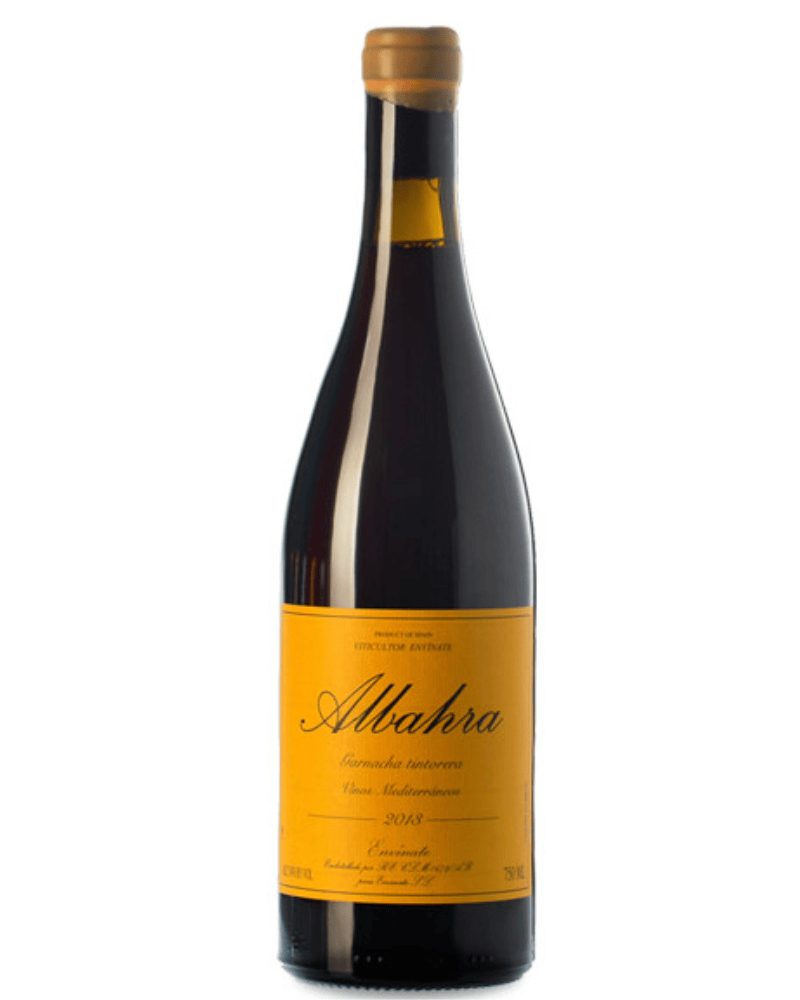
Albahra is their entry-level red from southeastern Spain: a blend of Garnacha Tintorera (70%) from Almansa and 30% Moravia Agria from Manchuela — an obscure but highly valuable grape variety. It is a supple, soft wine, remarkably light for this part of Spain, thanks to Moravia Agria, which brings freshness and helps lower the alcohol content. The perfect red for summer BBQs, especially when served slightly chilled.
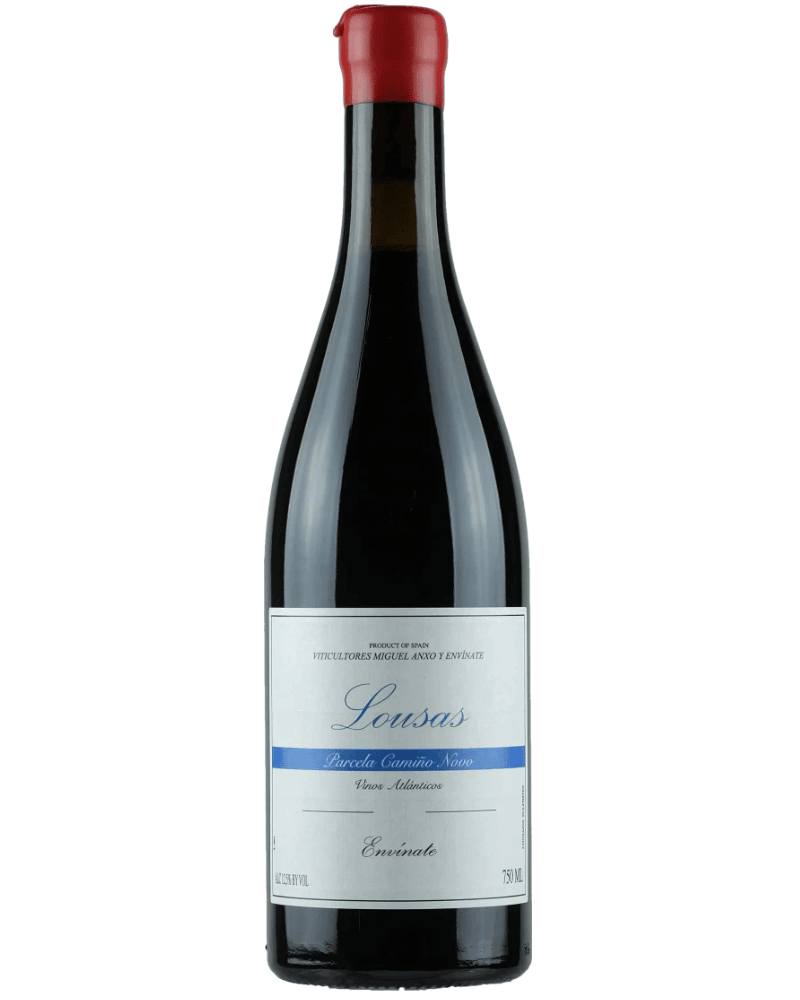
The Lousas range defines the wines crafted in Ribeira Sacra, mostly from Mencía vineyards in the Amandi subzone. Here, two hours of decanting is almost mandatory for every cuvée to reveal its full potential. Doad and Rosende are excellent, while Seoane and Camino Novo are truly mind-blowing: complex, deep wines with a soft, velvety texture and notes of violet, blackberry, and earth. Ribeira Sacra is, without any doubt, the new Priorat.
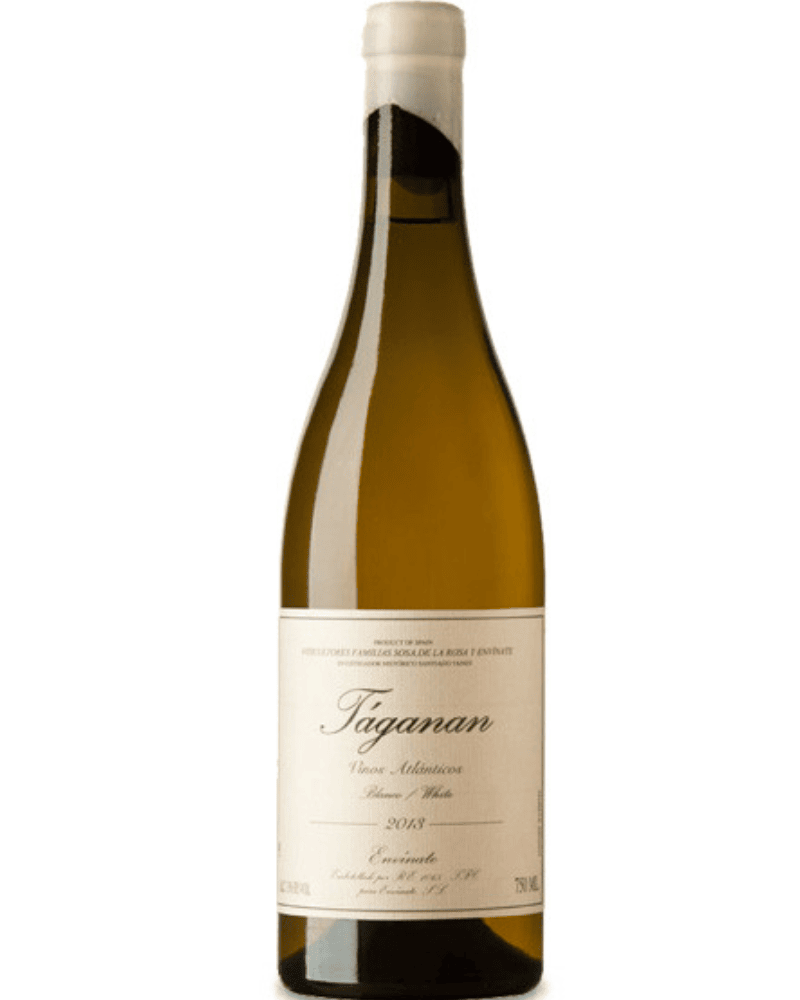
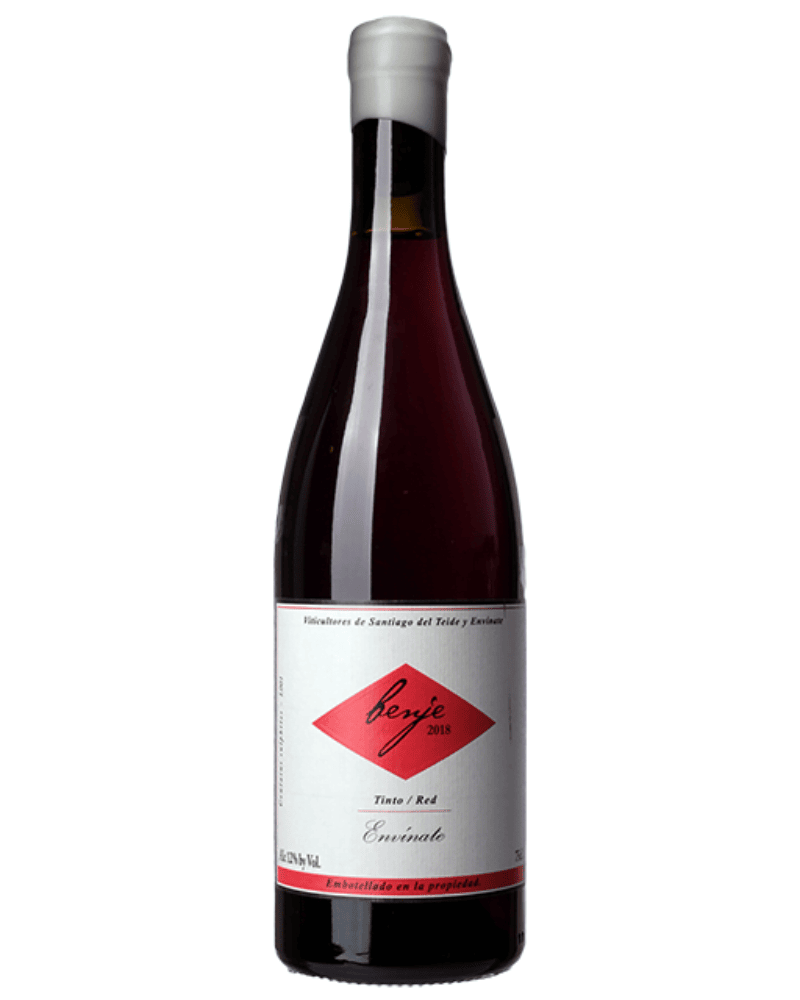
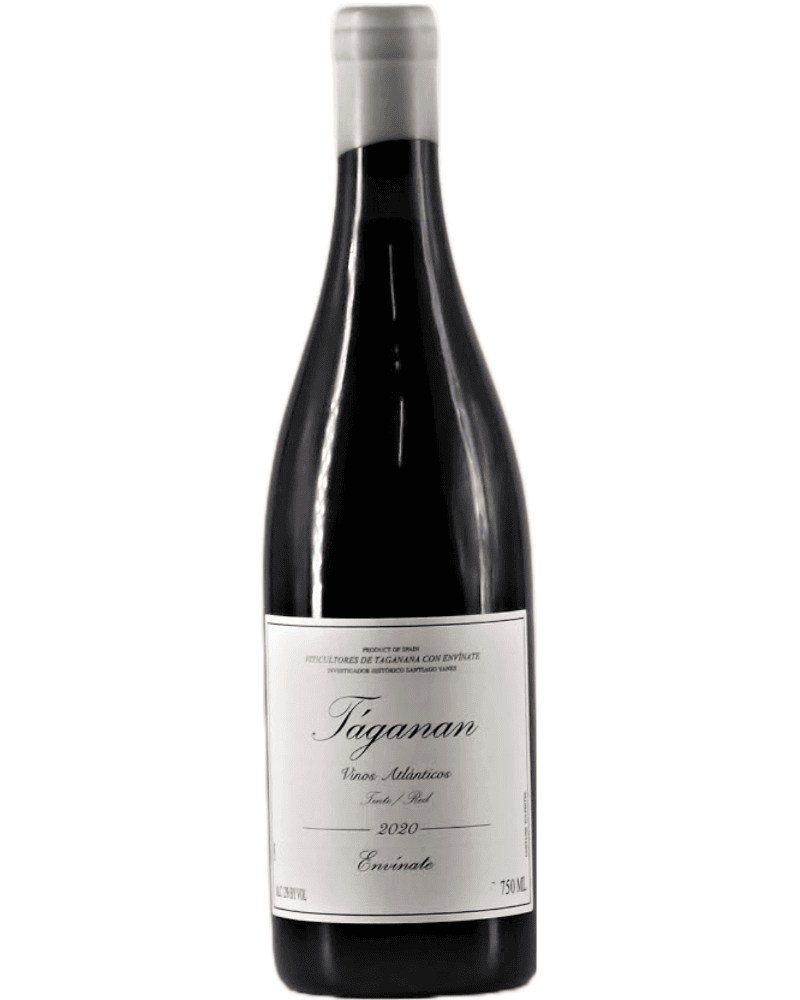
Last but certainly not least are the wines from Tenerife, probably the most exciting Spanish wine region in recent years. Quality has boomed there like nowhere else in Spain. The white wines are intense and fresh, with mouthwatering acidity, gingery and lime-driven aromas, and fierce minerality. The reds are pale and light-bodied, with some vineyards planted at over 1,000 metres above sea level, such as Benje on the northern slopes of Mount Teide.