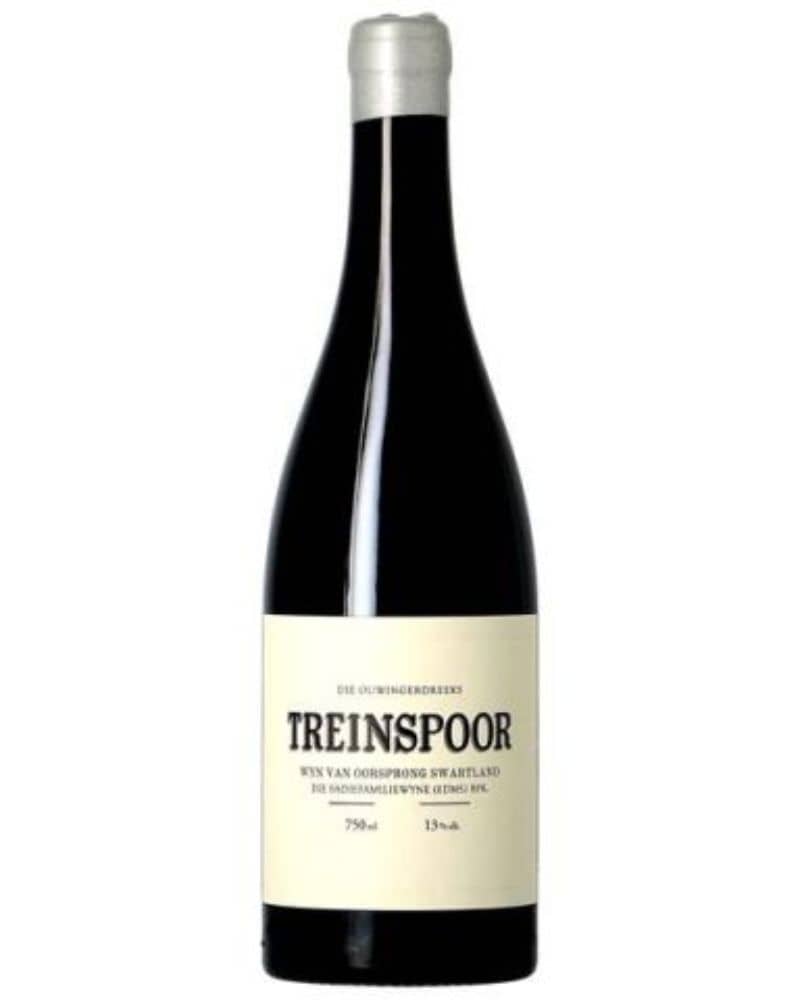
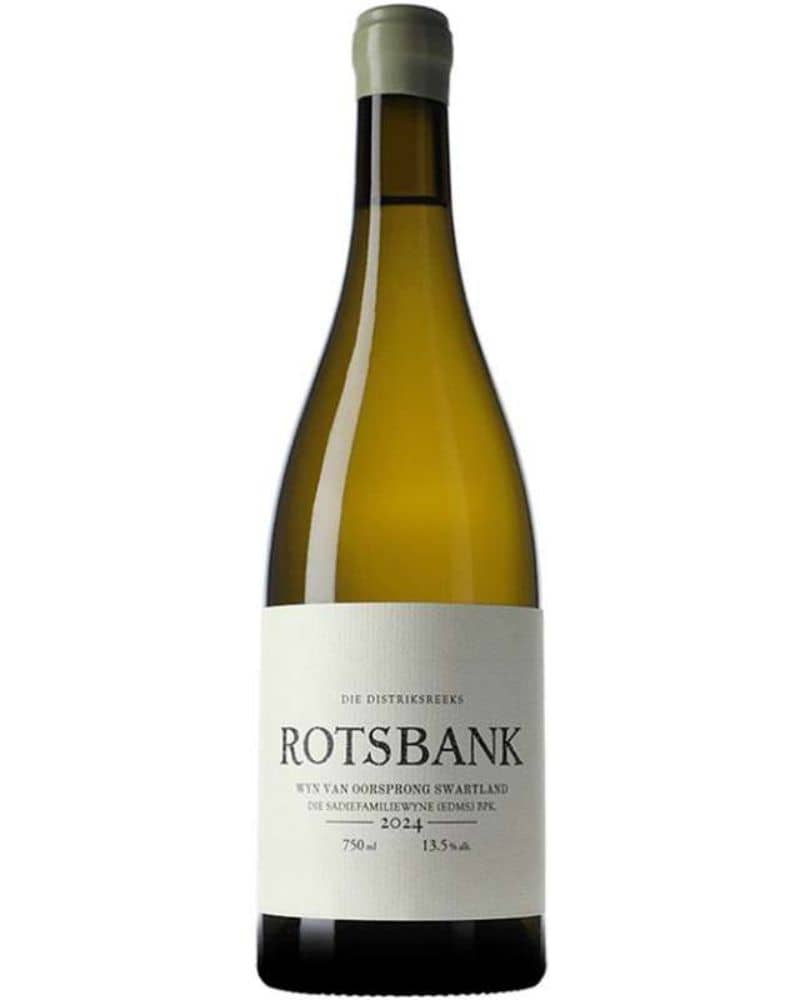
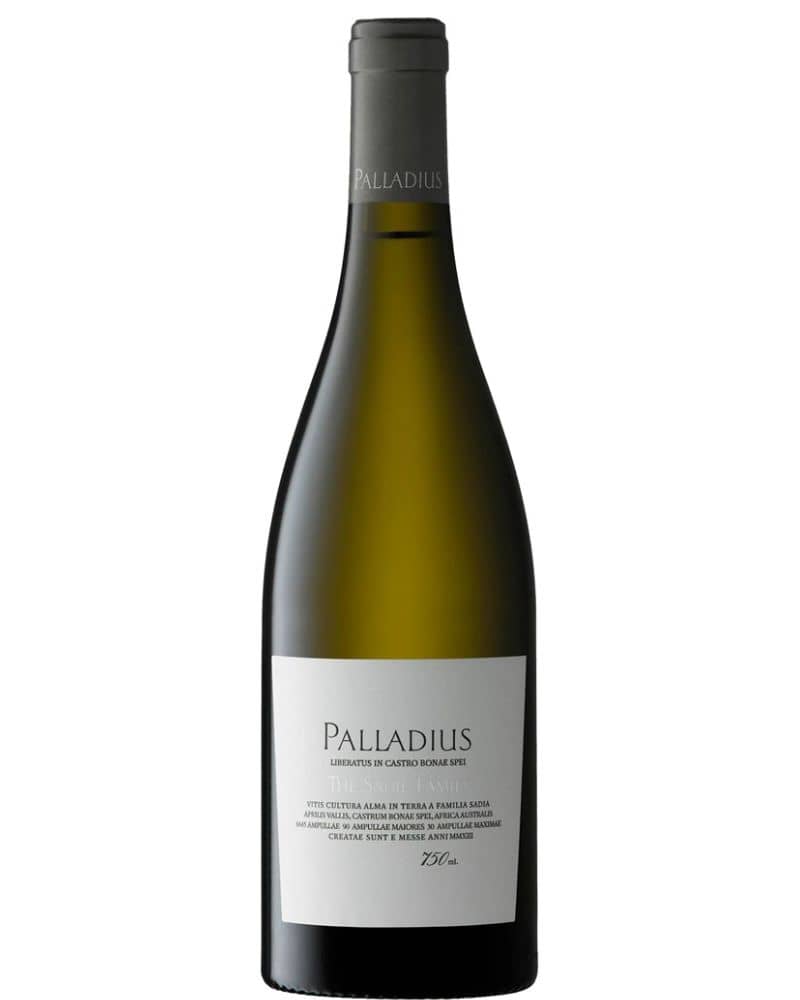
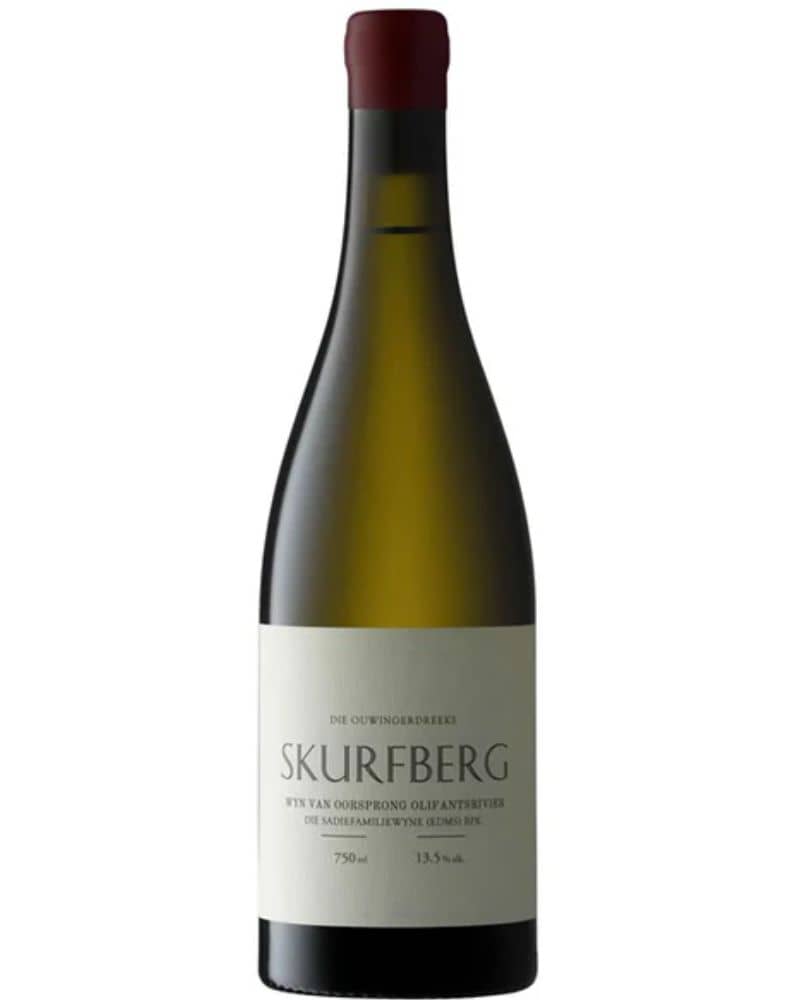
A South African cult wines : Sadie Family
GENERAL OVERVIEW
The Sadie Family Wines was founded on a creative principle and the understanding that we practise agriculture.
The reference to agriculture does not highlight the importance of economy but rather suggests a cultural activity and a relationship with the land as cornerstone. Very little agriculture remains today and sadly so. Most activities are better defined as agri-businesses with the main objective to take the maximum from the earth with zero understanding of the true responsibility we have as citizens of the very land we inhabit.
We are merely borrowing this land and planet from the next generation, therefore we should aim to return it in a better state than we found it in at our point of entry. As a collective we have failed the planet here. However, in our company we are committed to do everything in our power to become a great citizen of the globe. One should not be a hypocrite either and ultimately there is a cost to any activity. In the view of that cost, it is of utter importance that our produce is worthy and of the highest possible standard so as to warrant that cost.
We have various charters in place with defined policies on important aspects like going off the grid, recycling packaging, water saving and the provenance of every component that forms part of our activity. Much care is taken to make the best decisions and cost is not the driving factor because great wine is produced outside the realm of spreadsheets and in a relationship with the soil, the atmosphere, the plant, the people involved and oneself. Currently, we have a team of 36 people attending to the daily workings at the Domaine. We now farm 51 hectares, of which 24 hectares are in production from our own vineyards, and an additional 27 hectares are being rented but worked by our team.
We typically sell around 25% of our grape production, as we produce more fruit than we need. Our general yield is approximately 4 tons per hectare, which places our annual production in bottles at around 90,000 bottles.