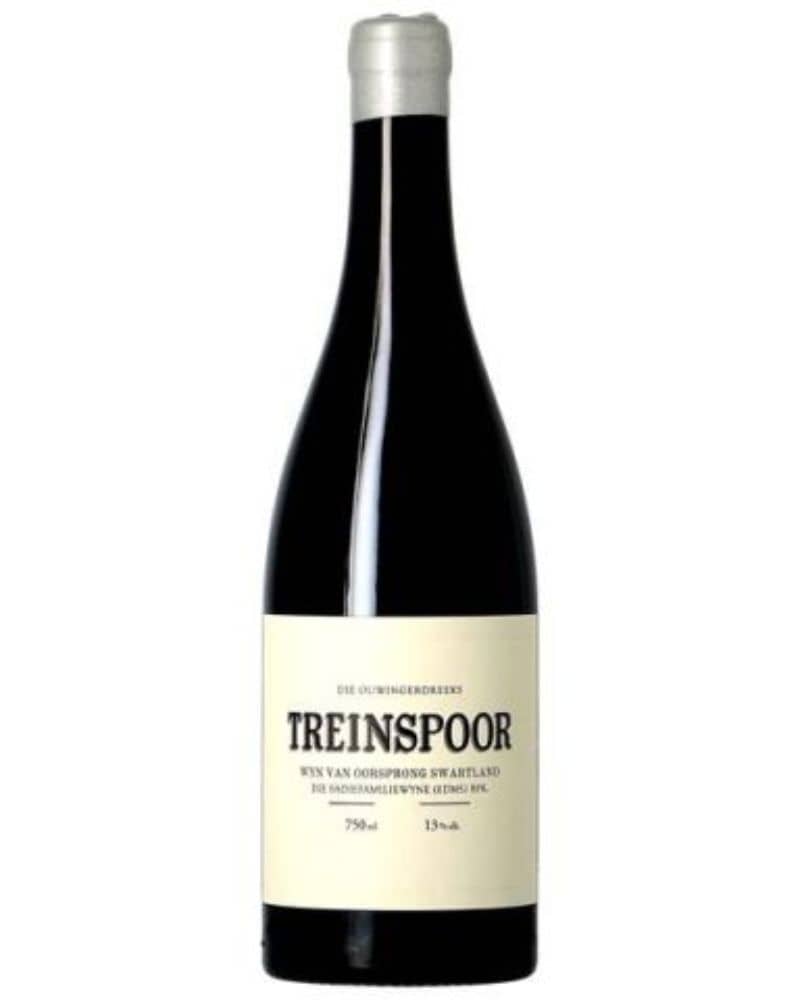
Treinspoor Eben Sadie Family
100% Tinta Barocca
Swartland
VINIFICATION
This vineyard is located next to the old railway line (treinspoor) and was named accordingly. The very fragile, thin skin of Tinta Barocca is prone to sunburn, but in this case the old bush vines have formed a great framework to keep the bunches sheltered from the intense Swartland sun. Tinta Barocca has the textural nature
of the Nebbiolo grape and the aromatic orientation of Syrah – a great combination. It produces wines of great character and expression that are built to last. The grapes are fermented with 50% whole clusters and 50% being destemmed and the fermentation is left for about 25 – 30 days prior to being pressed in an old basket press. Only bucket overs are done in the fermentation for it is very easy to over-extract Tinta Barocca since
the grapes hold an abundance of tannins.
AGEING
After pressing the wine is transferred into 28-year-old conical wooden casks that do not impart any wooden flavours. The age and the saturation of the wooden staves also make for a very slow reaction between the wine and oxygen. After 11 months on the lees the wine is racked to another concrete tank for an additional month to settle clean and 2 weeks prior to bottling we add 65mg/Litre of sulphur and bottle the wine from the fine lees.
NOTES
Tinta Barocca is a grape that carries the soil into the bottle, it is a great communicator of terroir. The grape has had a longstanding relationship with the Swartland and the spicy herbal aromatics and dark purple plum like fruit carries over into a very tight and compressed core of the wine. As mentioned before the tannins of Tinta Barocca have very much the same behaviour as those of Nebbiolo and proper ageing is required. Historically we have referenced that Tinta Barocca might be the most significant red variety of the historical plantings to ransport the terroir and typicity of a site to bottle.