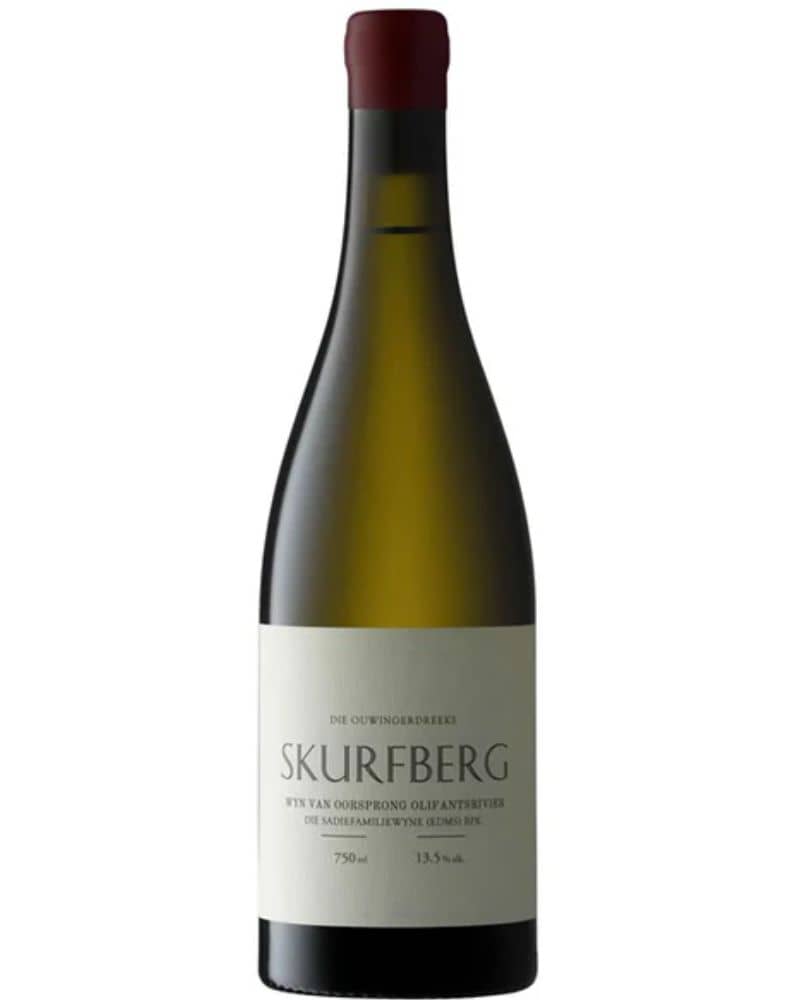
Skurfberg, Eben Sadie Family
100% Chenin Blanc
12 months in old Foudres
VINIFICATION |
The grapes are picked in small 20kg picking crates and then placed in a cooling room to reduce the temperature. We consider this an essential step in the Swartland where temperatures are often 35 degrees and more during harvest time; and pressing warm grapes comes with a series of potential challenges. The cooling process is followed up by whole bunch pressing. The process takes about three hours and during this time there is a margin of settling of the juice in the collecting tank. The juice is then transferred to two older foudres where it is left undisturbed until natural fermentation starts. The fermentation process can sometimes take up to 10 or more days to initiate and can last anything from 1 to 6 months, sometimes only finishing during the next spring, by which time the malolactic fermentation would often have come to completion as well.
AGEING
The wine is left in cask on the fermentation lees for 12 months and we bottle from the lees. We add about 50ppm of sulphur 2 weeks prior to bottling and bottle directly from the cask.
NOTES |
The Skurfberg Mountain is part of the Citrusdal mountain area and the word Skurfberg (Rugged Mountain) mainly refers to the edgy and rough appearance of the mountain. The soil is mainly weathered Table Mountain sandstone formations and tends to be very sandy.
It is a truly great site for Chenin and it is most unusual that such a warm and dry area still produces wines with this enormous texture and freshness.